
Benjamin Hayes
Benjamin Hayes is a respected thought leader in the field of logistics, known for his expertise in supply chain management and global transportation. With a career spanning two decades, Benjamin has worked with multinational corporations to develop comprehensive logistics solutions that drive profitability and enhance customer satisfaction. Benjamin writes for Shipixy blog as a freelancer, where he shares his wealth of knowledge, offering practical guidance on optimizing logistics networks, managing inventory, and leveraging technology for competitive advantage.
Posts by Benjamin Hayes

White-Label Returns Platform: The Partner Playbook Hub
A white-label returns platform lets retailers, brands, 3PLs, and marketplaces resell returns processing under their own name. This hub maps the full areturnz partner playbook: onboarding, pricing, SLAs, multi-tenant isolation, reporting, and peak season capacity.

Peak season returns planning: budgeting for Q4 volume before it hits
Q4 returns volume does not spread out evenly, it slams into the last two weeks of December and the first three weeks of January. Here is how to budget for it before it hits.

Autonomous Disposition: When AI Grading Skips the Human Review Queue
Autonomous disposition is what happens when a grading model is confident enough to route a return without waiting on a human. Here's how the threshold gets set, what still goes to a person, and why the audit trail matters more once people step back.

Returns Processing Product Updates: What We've Shipped and Why
A running record of what areturnz has shipped on the returns processing network, from photo evidence and scan-to-search receiving to AI content and quantity verification, and how each release ties back to speed, accuracy, and proof.
SLA design for white-label returns partners
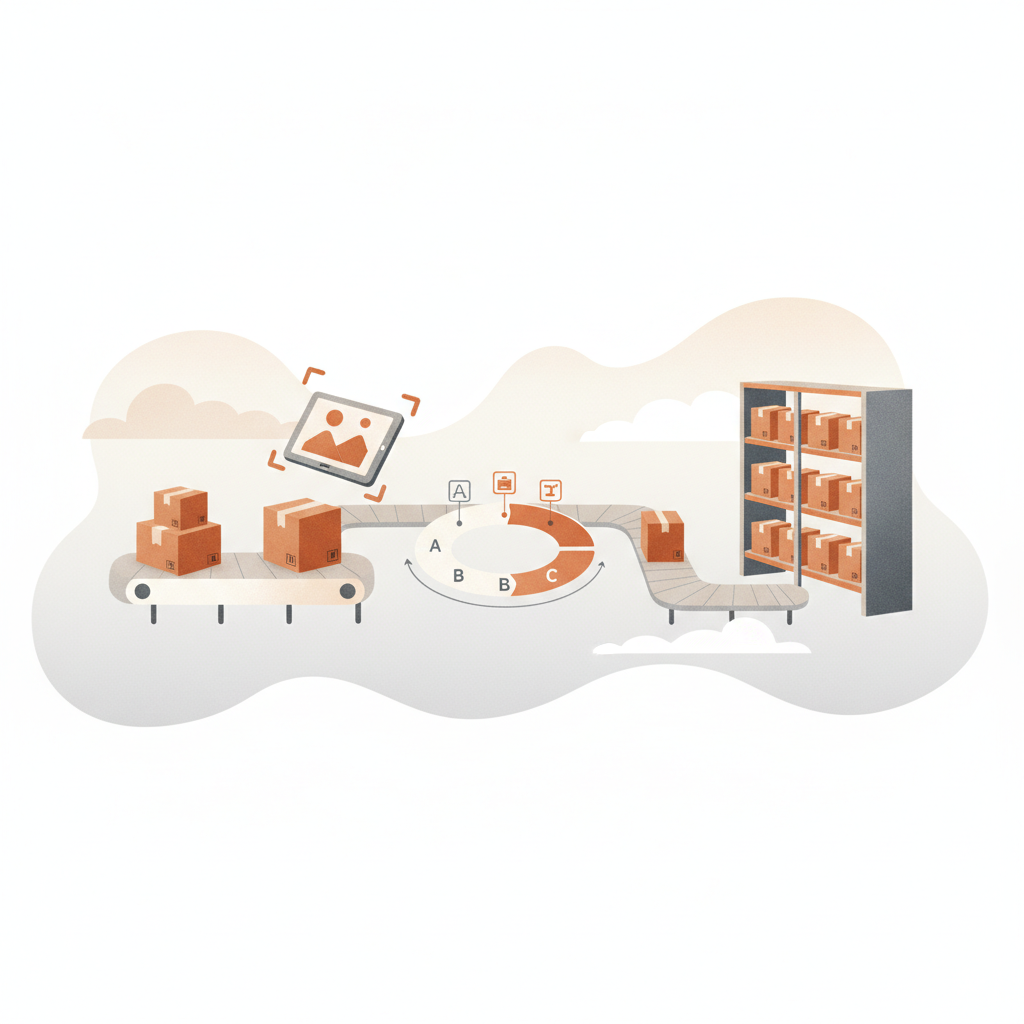
A practical framework for writing SLAs with white-label returns partners, covering cycle time, grading accuracy, evidence delivery, and escalation, built around the numbers areturnz actually publishes.

White-Label Returns Platform: The Partner Playbook for Reselling Returns Processing
A white-label returns platform lets a partner resell professional returns processing under its own brand while areturnz handles receiving, AI grading, disposition, and evidence in the background. Here's how the network, pricing, and onboarding actually work.
Returns Evidence and Dispute Proof: The Complete Guide
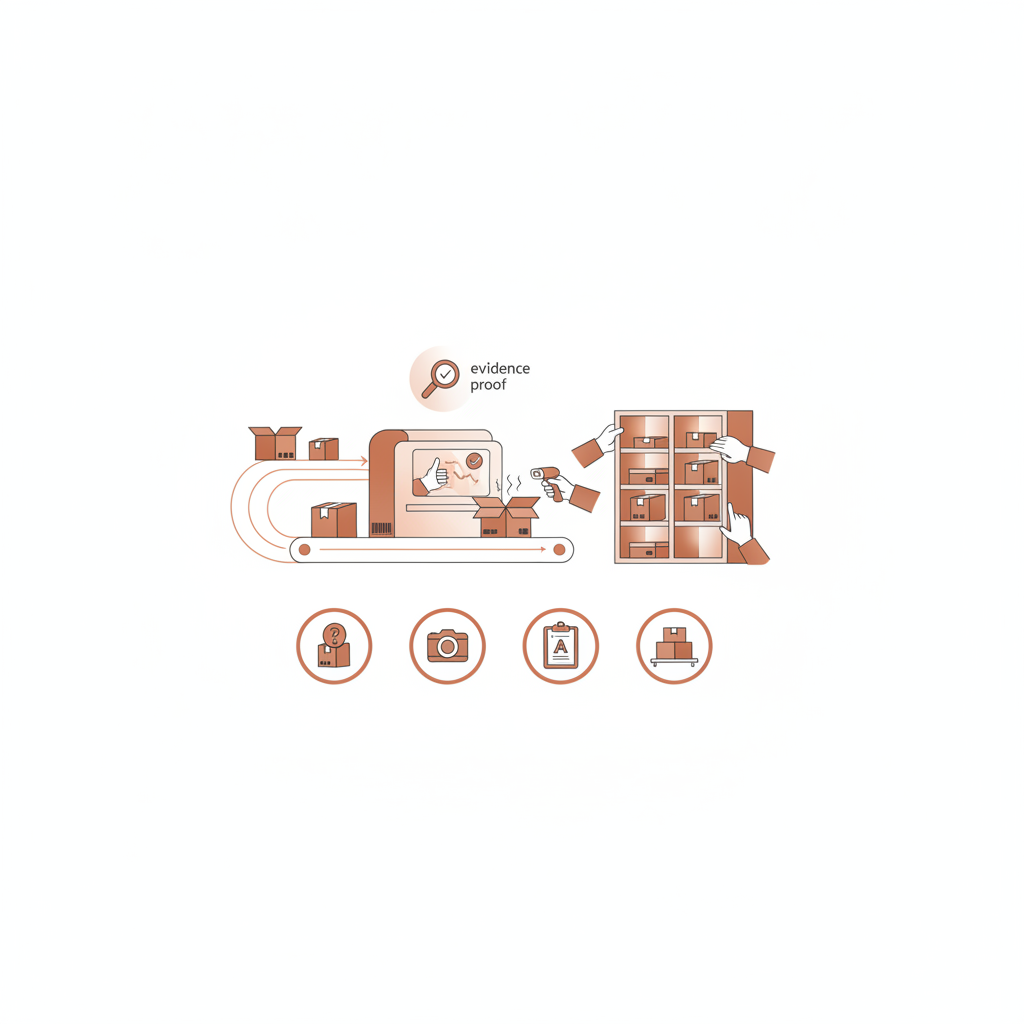
A category hub on returns evidence and dispute proof: how photo chain of custody, AI grading, and disposition rules combine to close disputes and build resale trust.
AI Condition Grading Explained: The ABCR System Behind Every Return
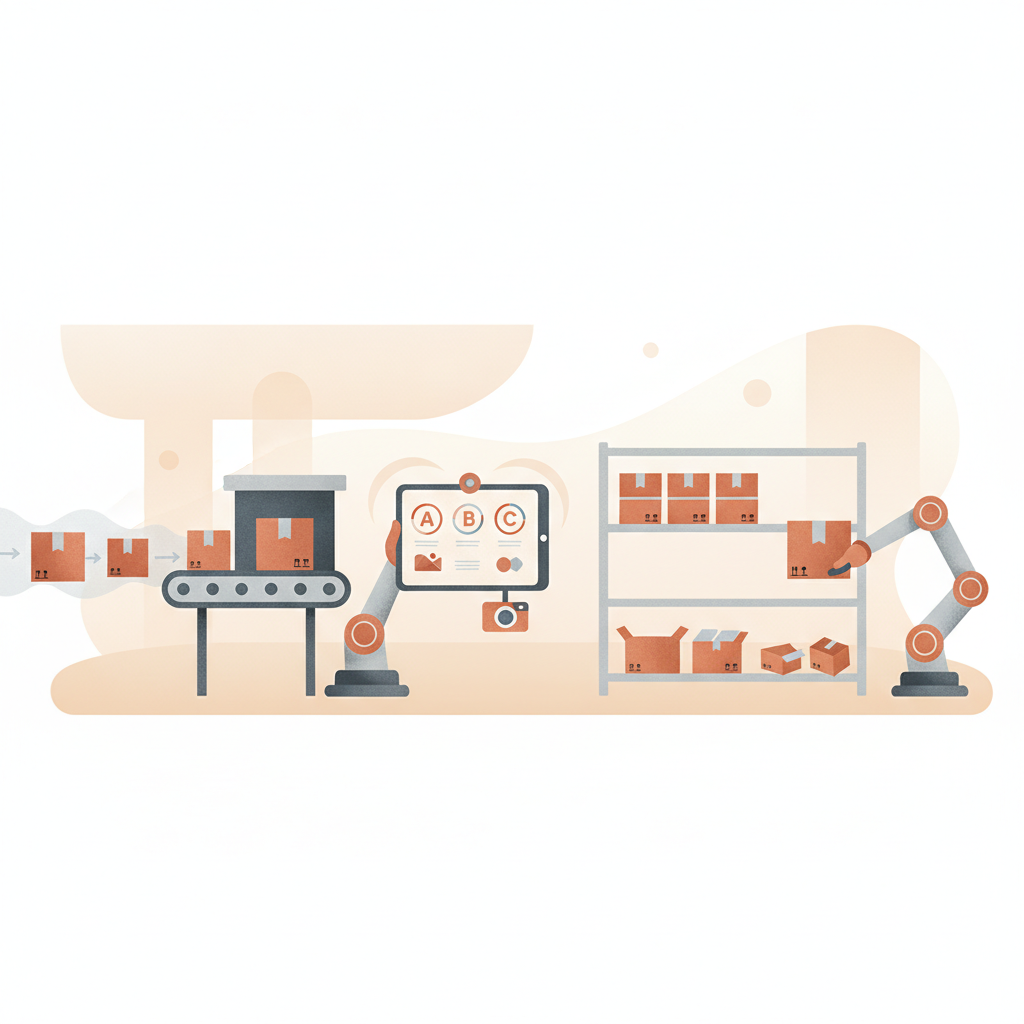
A plain-language guide to how areturnz grades every returned item with AI, why confidence scores matter, and how grades turn into disposition decisions in under 48 hours.

Multi-tenant returns: webhook isolation done right
Multi-tenant sounds simple until one brand can see another brand data. Here is how strict tenant scoping and per-tenant webhooks keep a shared returns floor safe to resell.

Restock velocity: the metric that pays for your returns program
If a returned item is resellable, every day it is not back on the shelf is lost margin. Restock velocity is the number that turns returns from a cost center into recovered revenue.

Why every return should ship with proof
A photo taken the moment a box is opened ends most condition disputes before they start. Here is what a complete evidence bundle contains and why it matters.