
Olivia Morgan
Olivia Morgan is a logistics consultant and author, specializing in sustainable logistics and green supply chain practices. With a background in environmental science and a passion for driving eco-friendly solutions, Olivia helps organizations navigate the complex landscape of sustainable logistics. Olivia is a part time blogger for Shipixy Blog where she offers a comprehensive guide on reducing carbon emissions, optimizing transportation routes, implementing reverse logistics programs, and integrating environmental considerations into procurement and packaging strategies. Olivia's expertise helps businesses align their logistics operations with sustainability goals and create a positive impact on the environment.
Posts by Olivia Morgan
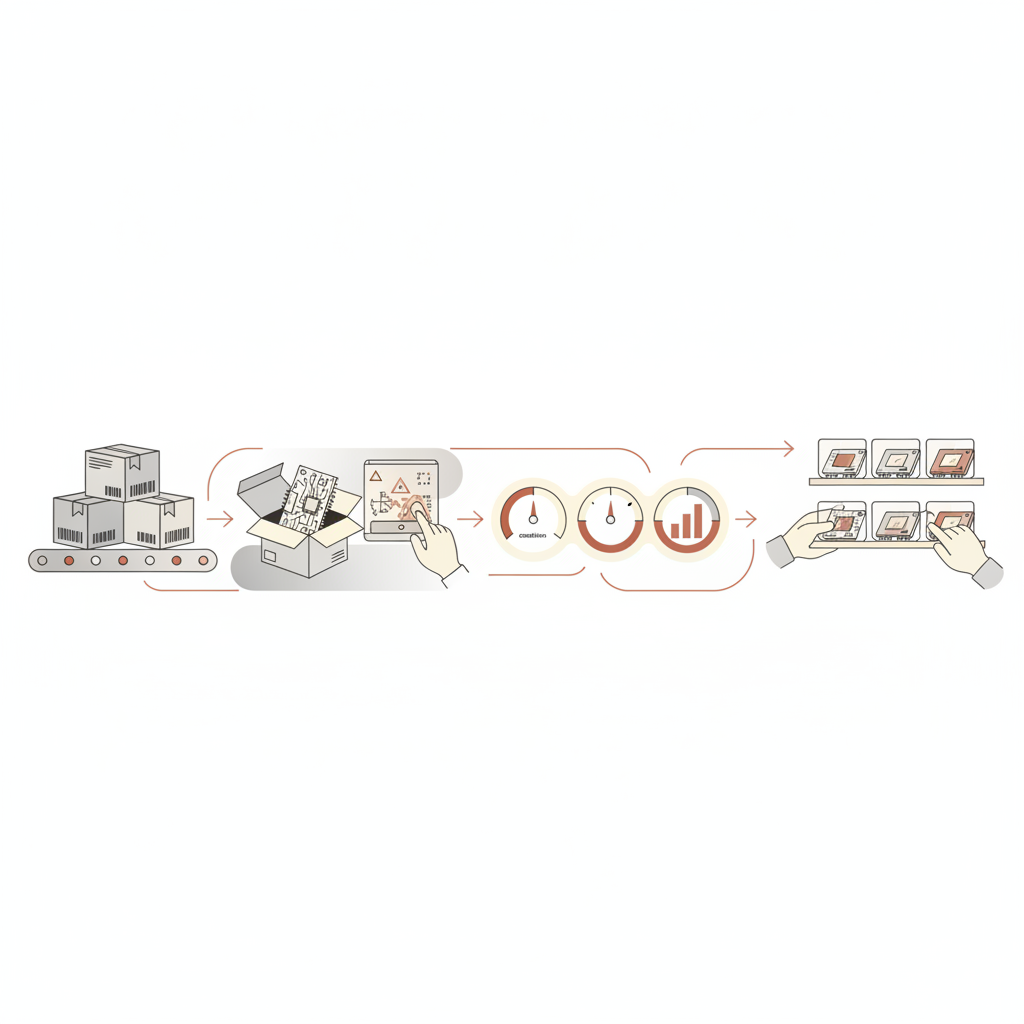
Chain of Custody for High-Value Electronics: Serialization and Evidence Standards
High-value electronics need more than a generic audit trail. Here is how serialization, photo evidence, and ABCR grading combine to prove custody from inbound scan to disposition.

Shipped: camera scanning in browser for faster receiving
A new receiving station needs a laptop and a camera, nothing else. Here is what camera scanning in the browser changes for throughput, hardware cost, and the evidence trail.

Webhook event types for returns status: a reference guide for partner integrations
Every status change on a returned parcel, from inbound scan to final disposition, fires a webhook event. Here is the full reference: event types, triggers, payload fields, and integration patterns for partners building on areturnz.

Seasonal Staffing Economics: Labor Cost Per Return, Peak vs Off-Peak
Labor cost per return is not a fixed number. It swings hard between peak and off-peak months, and most teams never model why. Here is the formula, the benchmarks, and what changes the math.

Free returns vs paid returns: the margin tradeoff
Free returns sell more. Paid returns protect margin. Neither answer is complete without looking at what happens to a return after it ships back, which is where most retailers lose the thread.

Cost of Returns Processing: The Complete Returns Economics Guide
The cost of returns processing is more than the refund. This is the full breakdown of what drives it, where the money actually leaks, and how a 48 hour cycle and AI grading change the math.
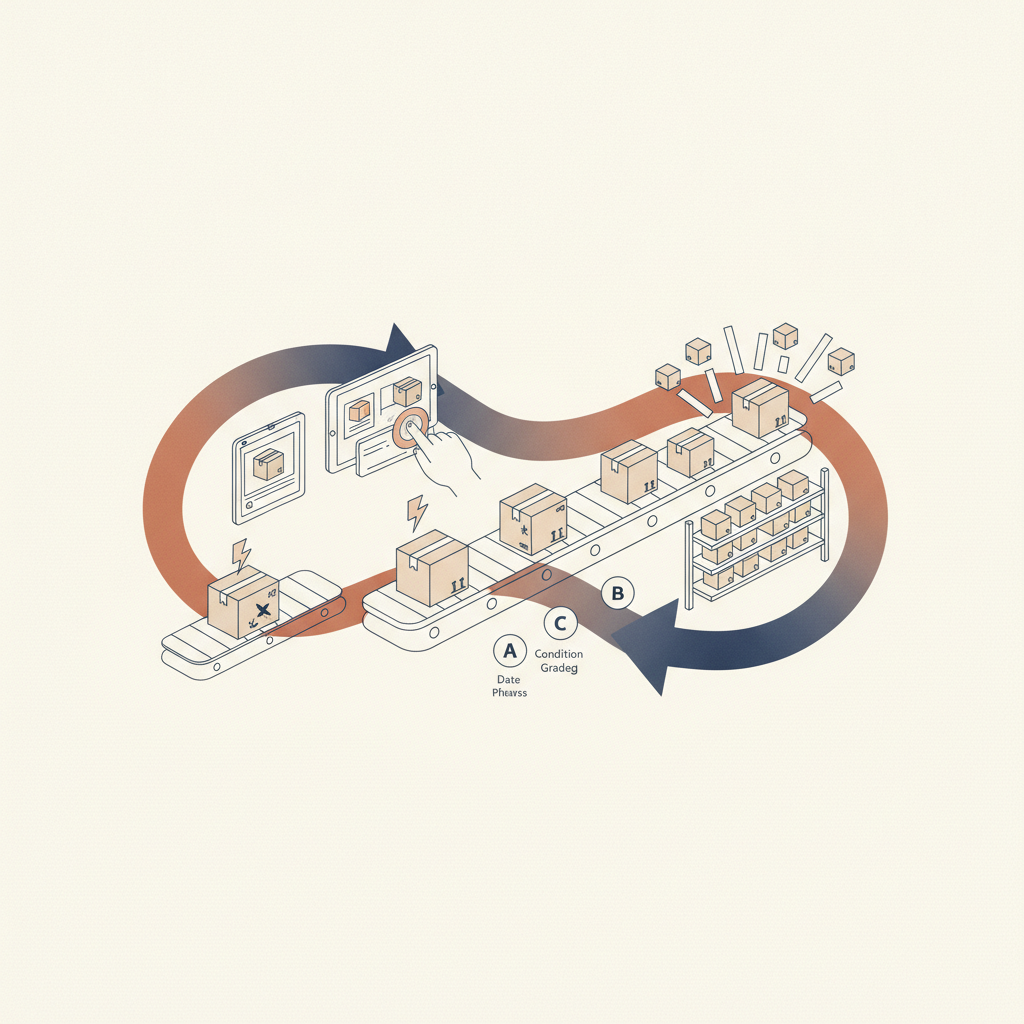
Per-tenant reporting: giving partners visibility without breaking isolation
Per-tenant reporting lets a white-label partner give every brand its own returns dashboard and API feed without leaking one tenant's data into another's. Here is how the reporting layer is actually built.
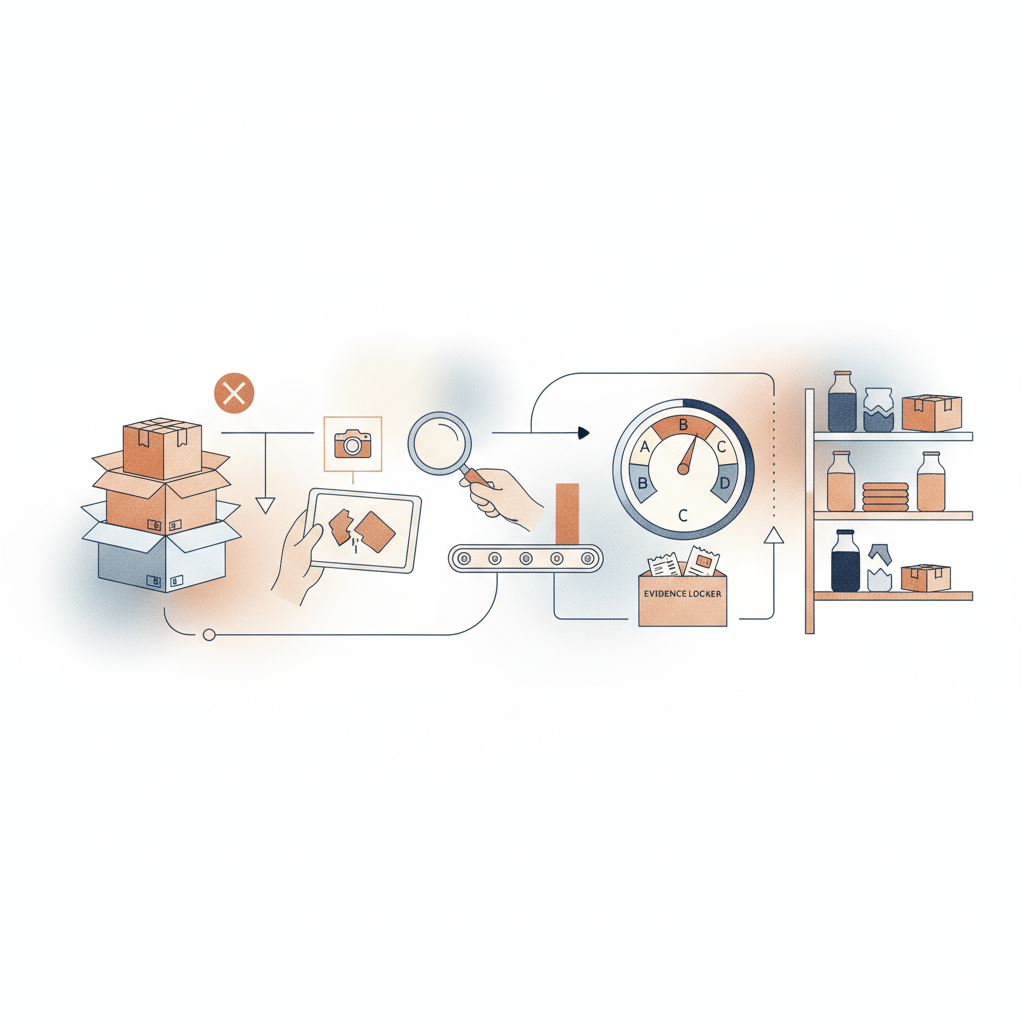
Marketplace Seller Return Fraud: Closing the INAD Loophole With Evidence
Item-not-as-described claims are the easiest lever for return fraud on marketplaces. Here is how photo evidence, AI grading, and chain of custody close the loophole without slowing down honest buyers.

Pricing a resold returns service: margin math for partners
A practical framework for pricing a resold returns service, covering the real cost stack behind grading and disposition, SLA tiers, and a worked margin example partners can adapt.
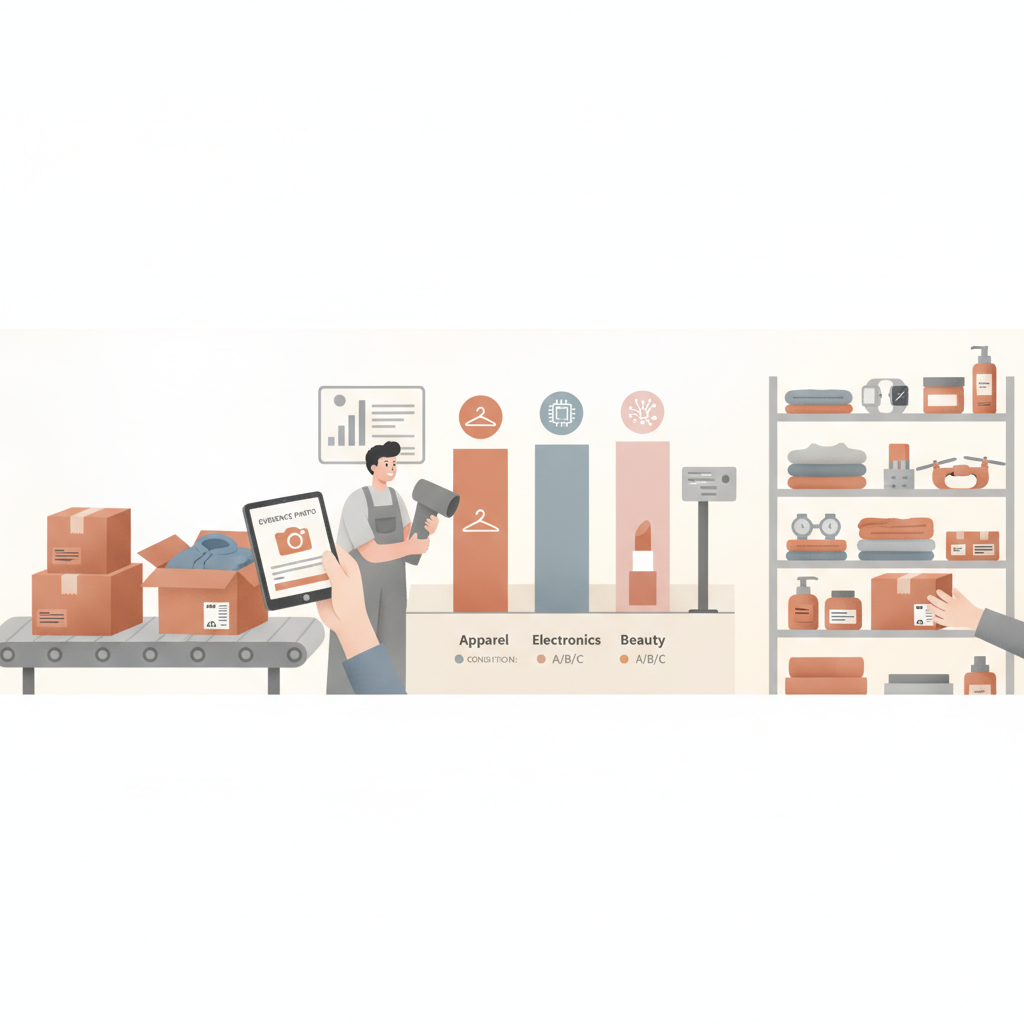
Grading Apparel vs Electronics vs Beauty: How ABCR Adapts by Category
The same A/B/C/R scale means something different on a jacket, a pair of earbuds, and a serum bottle. Here is how areturnz tunes grading logic, confidence thresholds, and disposition rules by category.
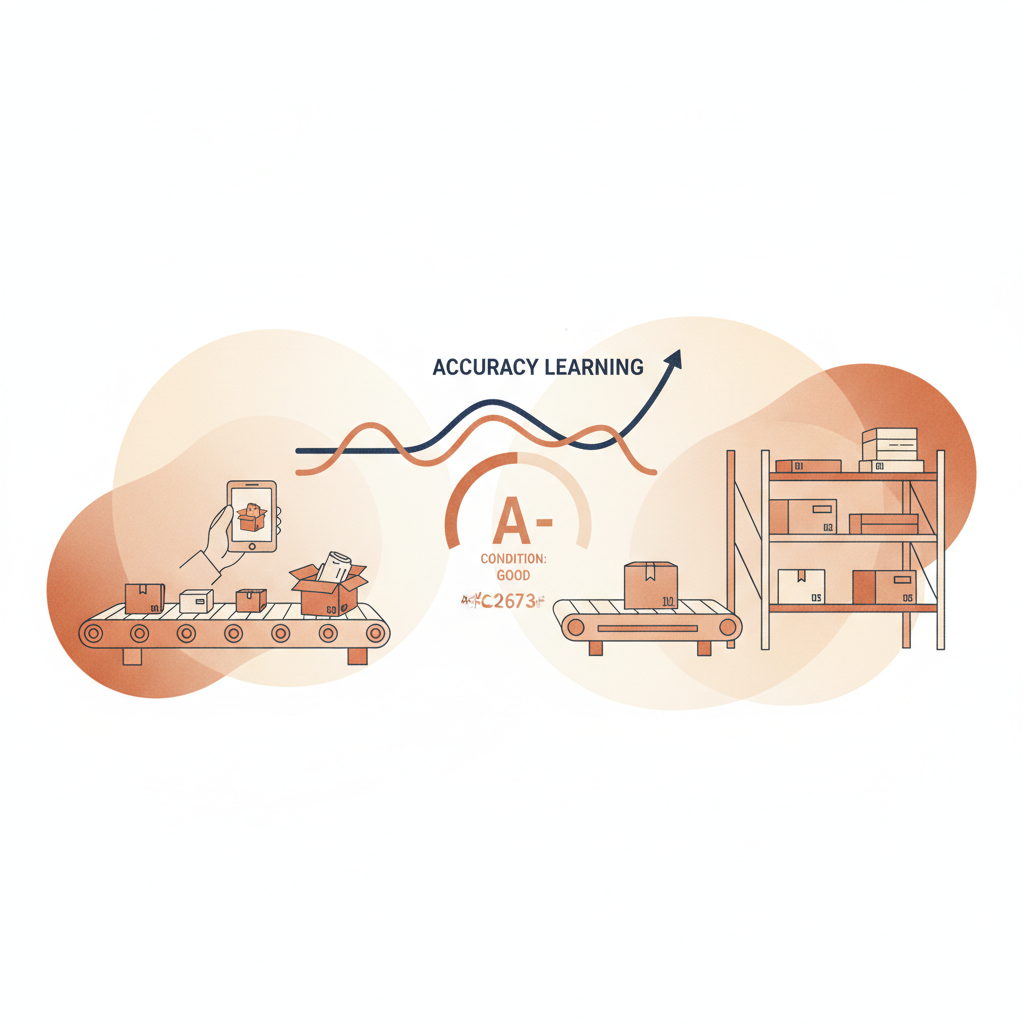
Confidence calibration: how the grading model learns its own accuracy
A confidence score is only useful if it's honest. Here's how areturnz calibrates its grading model against operator review, why raw confidence isn't the same as accuracy, and what happens when the two disagree.

Liquidation recovery rates: what you actually get back
Liquidation recovery rates swing from 5 cents to 60 cents on the dollar depending on grade, category, and channel. Here is what actually drives the number and how disciplined grading protects it.

The real cost of a return is not the refund
The refund is the visible number. The hidden cost is the days an item sits ungraded and unsellable. Here is how to measure what a return actually costs you.

The A/B/C/R Grading Scale: What Each Grade Means for a Return
Machine grading is not a black box. Here is what an A/B/C/R grade means, how confidence scores are produced, and where a human still overrides.