Partner Tenant Retention: The Economics of Keeping a White-Label Node Operator
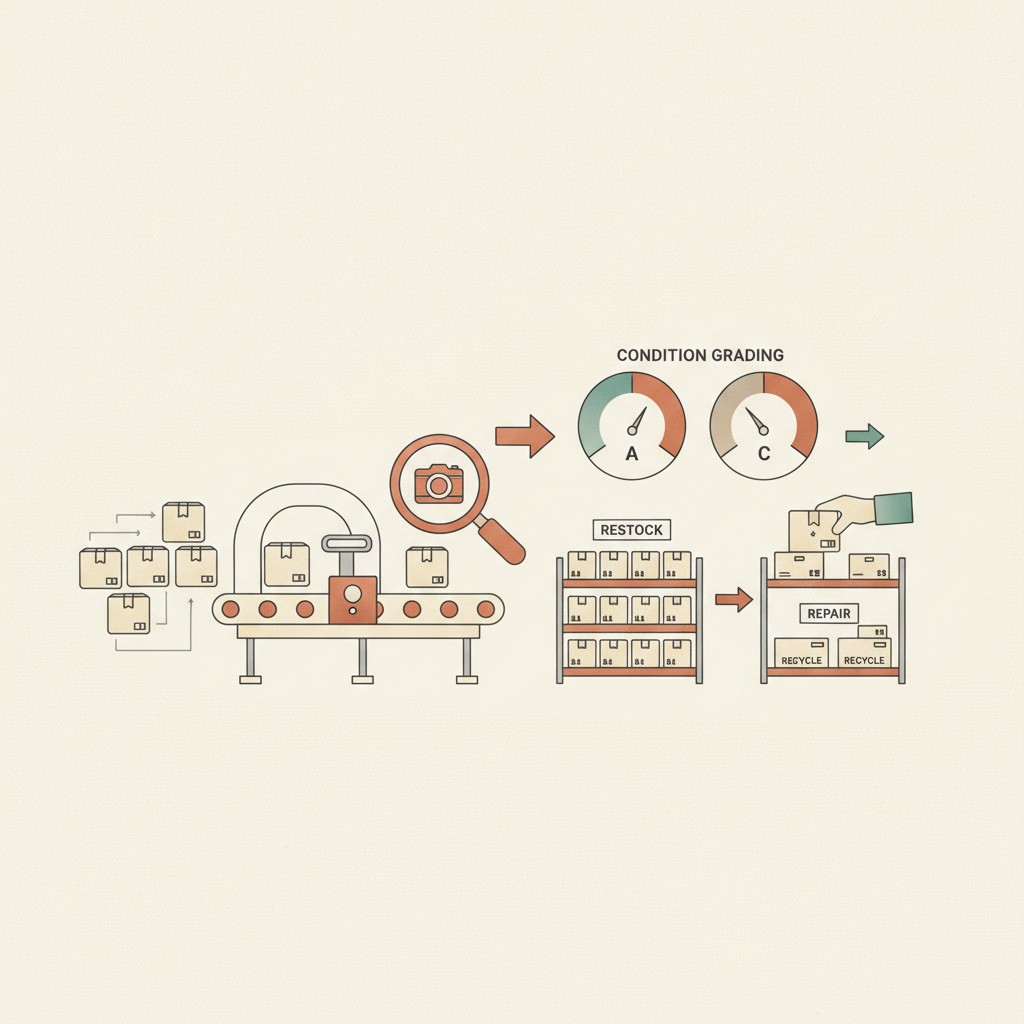
Partner tenant retention economics is the calculation of what a white-label node operator relationship is actually worth once you account for acquisition cost, ramp time, and the likelihood of churn, not just the per-return margin on a signed contract. At areturnz, that calculation matters because the network is built for partners to resell processing under their own brand, and a tenant who leaves after four months rarely breaks even for the partner who onboarded them. Retention, not acquisition, is where resold returns programs make or lose money.
Most partner conversations start with margin math: what you charge per unit, what it costs to run through the network, what is left over. That question gets answered well in pricing a resold returns service. This article is about a different number: how long a tenant stays, what it costs when they leave early, and which levers actually extend the relationship. For the broader framework these ideas sit inside, see the partner playbook.
Why tenant churn costs more than it looks like
A churned tenant does not just erase future revenue. It erases the sunk cost of onboarding: SLA negotiation, integration work, staff training on the tenant's grading thresholds and disposition rules, and the ramp period where volume is low but overhead is fixed. Most partner programs do not recover that sunk cost until somewhere between month three and month six of steady volume. A tenant who churns in month two is a net loss even if every invoice was paid on time.
The hidden cost of re-selling the same slot twice
Every node has finite receiving capacity on a given shift. When a tenant leaves, that capacity sits idle or gets re-sold at a discount to fill it quickly. Partners who track this closely find that backfilling a churned slot costs more in sales effort and onboarding time than it does to simply retain the original tenant with a modest service improvement or price concession.
The lifetime value of a node operator tenant
Lifetime value for a resold returns tenant is driven by three variables: monthly volume, net margin per unit after network costs, and tenancy length in months. Small changes in tenancy length move the outcome more than most partners expect, because the fixed onboarding cost gets amortized over a longer base.
| Scenario | Avg monthly volume | Net margin per unit | Tenancy length | Approximate 24-month value |
|---|---|---|---|---|
| Early churn | 3,000 units | $1.10 | 4 months | $13,200 |
| Typical retention | 3,000 units | $1.10 | 14 months | $46,200 |
| Strong retention | 3,000 units | $1.10 | 24 months | $79,200 |
| Strong retention, volume growth | 3,000 to 5,000 units ramping | $1.10 | 24 months | $105,600+ |
The gap between early churn and strong retention is not a rounding error. It is roughly six times the value for the identical margin per unit. That is the entire argument for treating retention as a distinct discipline from pricing.
What actually drives partner tenant churn
Across node operator onboarding conversations, four triggers show up again and again, and none of them are primarily about price.
Slow or unclear disposition timelines
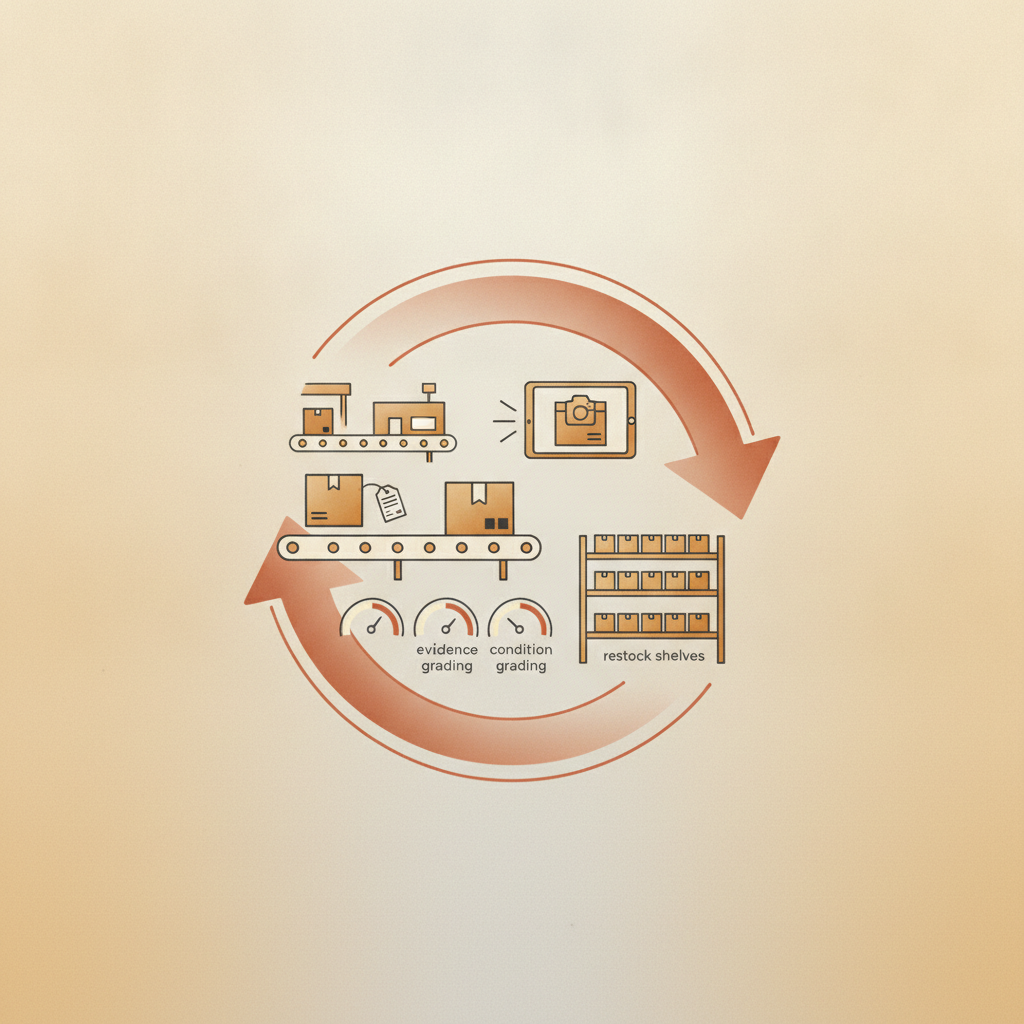
Tenants who cannot predict when a returned unit will be graded and routed start losing confidence in the program, especially if their own customers are asking about refunds or restocks. areturnz runs on roughly a 48 hour median cycle from inbound scan to disposition, and partners who surface that number in their own tenant reporting see fewer escalation tickets.
Opaque grading decisions
A tenant who sees a grade but not the reasoning behind it will eventually question every borderline call. The ABCR grading system pairs each A/B/C/R grade with a confidence score and detected tags, and the underlying AI-vs-operator match runs at about 99.6% accuracy. Tenants who get access to that evidence trust the system instead of relitigating individual units.
No visibility into their own performance
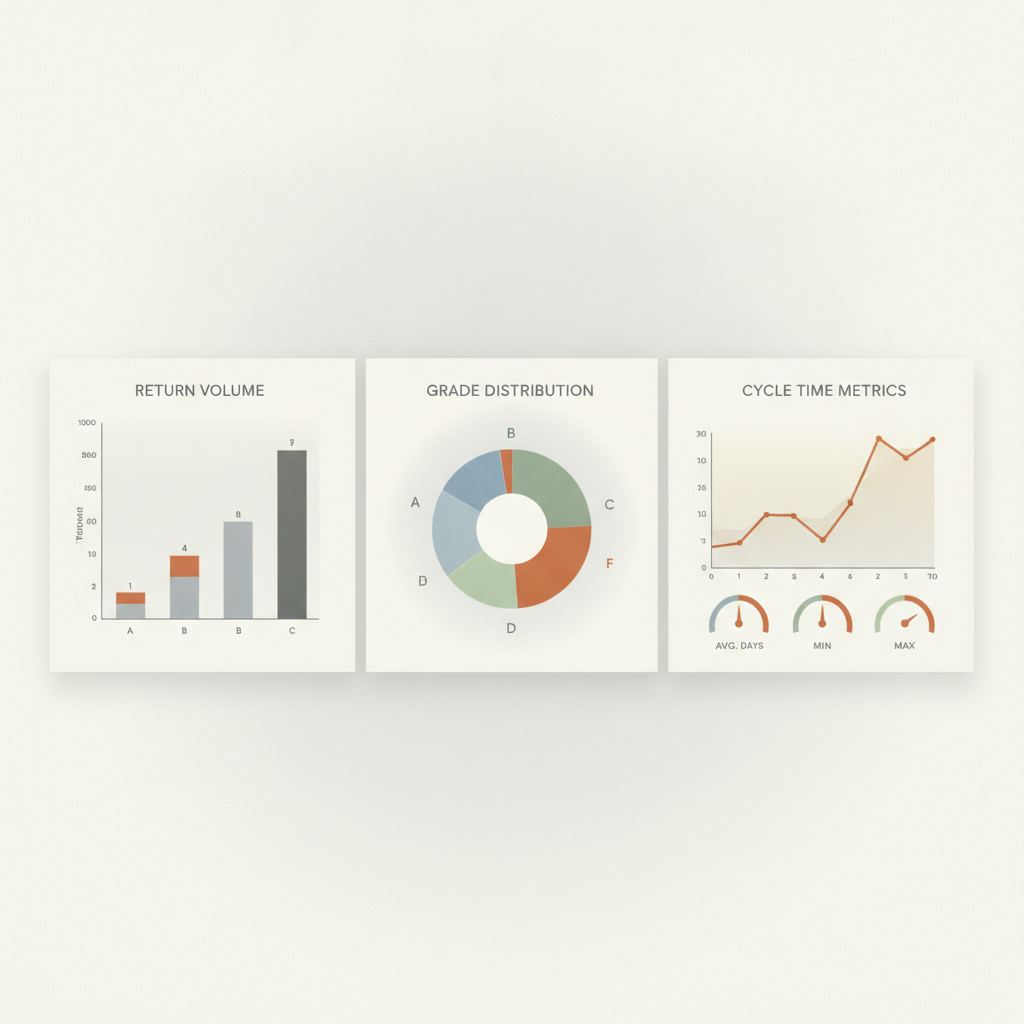
Tenants who only see a monthly invoice have no way to spot problems early. Reporting that breaks out restock rate, grade distribution, and cycle time by tenant, without exposing other tenants' data, closes this gap. See per-tenant reporting for partners for how that isolation works in practice.
SLA terms that were never actually tested
A verbal promise about turnaround time is not a retention tool. A written SLA with defined response windows, escalation paths, and peak season adjustments is. Partners who document this upfront, as covered in SLA design for white-label returns partners, spend far less time firefighting mid-contract renegotiations.
Retention levers that actually move the number
Put evidence in front of the tenant, not just the end customer
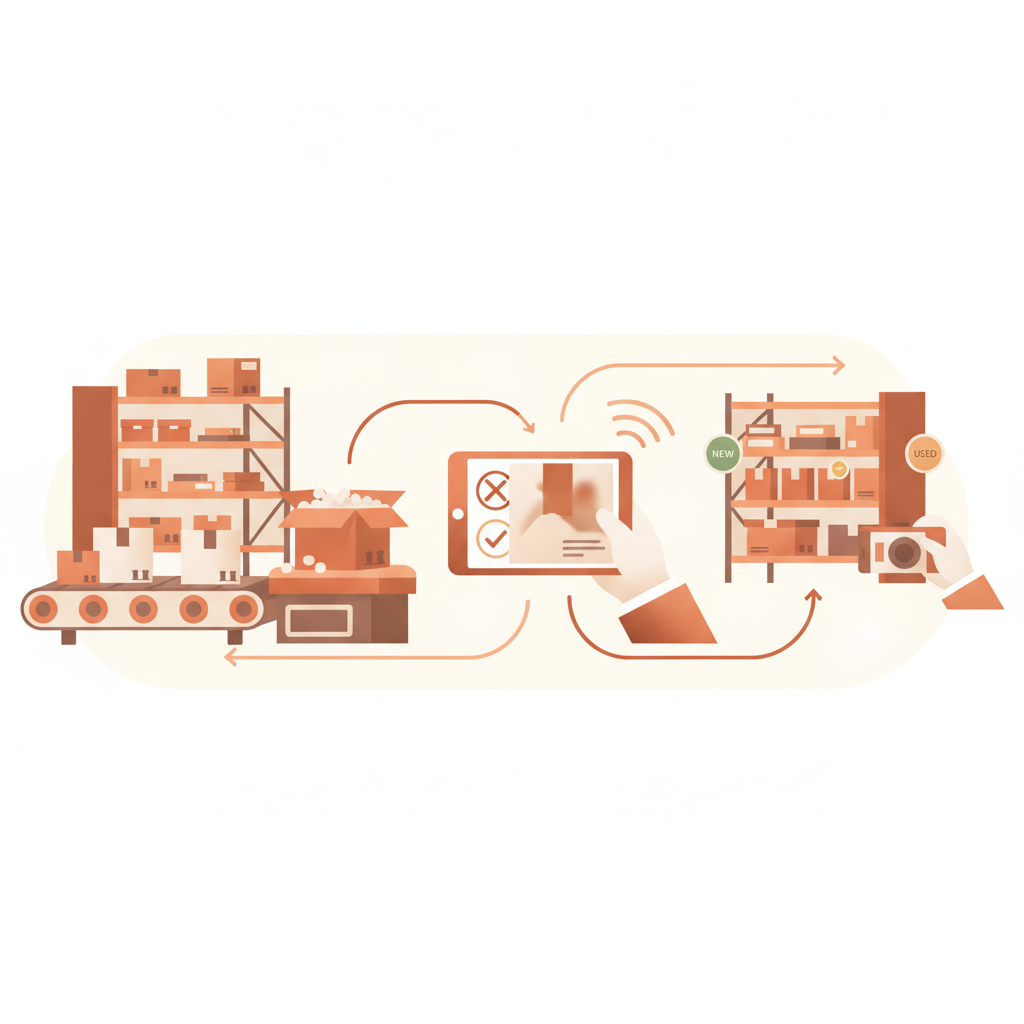
Every return processed through the network ships with a photo-backed evidence bundle: outer label, opened parcel, item, and defect, tied to the grade and disposition decision. Giving tenants dashboard or API access to that evidence bundle (see what it looks like at /evidence-sample) turns an abstract grading process into something they can audit themselves. That audit access is often what converts a nervous tenant into a long-term one.
Set volume-based review checkpoints
Rather than waiting for a renewal date to check in, partners who schedule a 30, 90, and 180 day review against the agreed SLA catch drift early. A tenant whose restock rate is trending down at day 60 is a solvable problem. The same tenant discovered at renewal is often a lost one.
Price for tenure, not just volume
Volume-based discounts reward growth but do nothing for loyalty. A tiered structure that improves margin share or reporting access at the 6 and 12 month marks gives tenants a reason to stay past the point where a competitor's introductory offer looks tempting.
Treat peak season as a retention test, not just a capacity problem
Q4 and January are when SLA promises actually get tested, as detailed in peak season returns SLA. Tenants who feel abandoned during a volume spike rarely forget it, regardless of how smooth the rest of the year was. Capacity planning that protects tenant-level SLAs during peak is retention insurance as much as it is operations work.
Modeling retention into the partner business case
With 180K+ returns processed across the network, the pattern holds across categories and tenant sizes: the partners with the lowest churn are the ones who make the grading and disposition process visible rather than treating it as a black box. That visibility costs almost nothing to provide since the evidence already exists on every parcel. The return on providing it shows up as months of extra tenancy, not as a line item anyone has to negotiate. Partners sizing this out for their own book should also review pricing and the partner use case overview before modeling tenancy length against margin per unit.
Frequently asked questions
What is partner tenant retention economics?
It is the calculation of a white-label tenant's value over time, factoring in onboarding cost, ramp period, monthly margin, and how long the tenant stays active, rather than looking at margin per unit in isolation.
How is this different from pricing a resold returns service?
Pricing math answers what to charge per unit and what margin that leaves. Retention economics answers how long that margin lasts and what it costs when a tenant leaves early. Both matter, but they are separate calculations with separate levers.
What is the single biggest driver of tenant churn?
Lack of visibility. Tenants who cannot see grading evidence, cycle time, or their own performance data tend to lose confidence in the program well before price becomes the stated reason for leaving.
Does areturnz provide tenant-level reporting for partners?
Yes. Per-tenant reporting gives each tenant visibility into their own volume, grade distribution, and disposition outcomes without exposing other tenants' data, which supports both SLA accountability and retention.
How does peak season affect tenant retention?
Peak season is when SLA commitments get stress tested. Tenants who experience slow cycle times or unclear communication during Q4 or January often churn afterward, even if the rest of the year went well, which is why capacity planning should be scoped around tenant-level service levels, not just total throughput.
For a deeper look at the full partner model, start with the partner playbook, or talk to the team directly about structuring SLAs and reporting for your tenant base at /contact.
Related reading: Evaluating a White-Label Returns Provider: The RFP Checklist
Related reading: Node facility compliance checklist: what a new returns node must meet before going live
Her iade için kanıt
Fotoğraflar, yapay zekâ durum derecesi ve tam bir zimmet zinciri, her koliye ekli ve API üzerinden erişilebilir.