What Is Reverse Logistics? How It Differs From Returns Processing
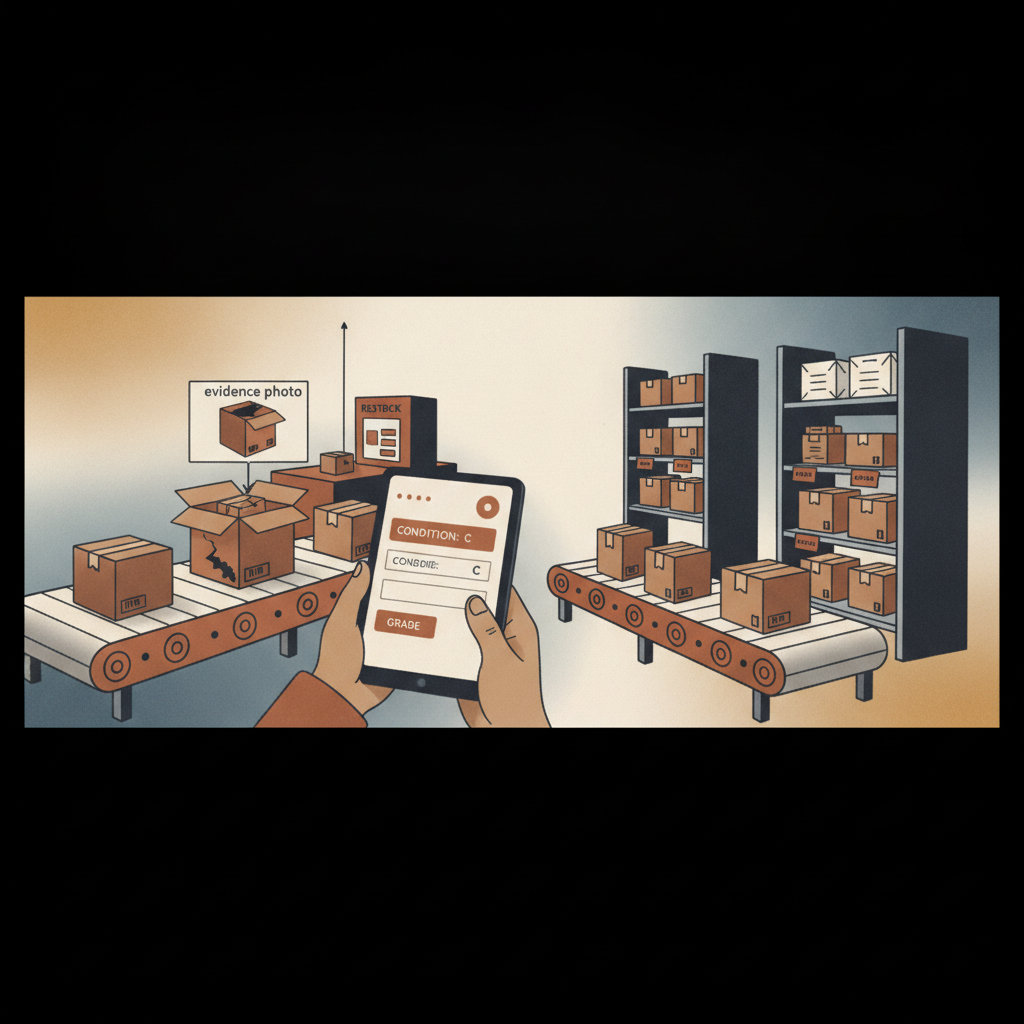
Reverse logistics is the broad set of activities involved in moving products backward through a supply chain, from the customer or downstream point back toward a warehouse, manufacturer, or disposition point. It covers returns, repairs, recalls, excess inventory, trade-ins, and packaging recovery. Returns processing is a narrower, specific function inside that larger system: the physical receiving, inspection, grading, and routing of a single returned item. areturnz operates at this narrower layer, running an owned-and-operated network that receives, photographs, grades, and dispositions returned parcels, with a 48 hour median cycle from inbound scan to decision.
The plain-language definition
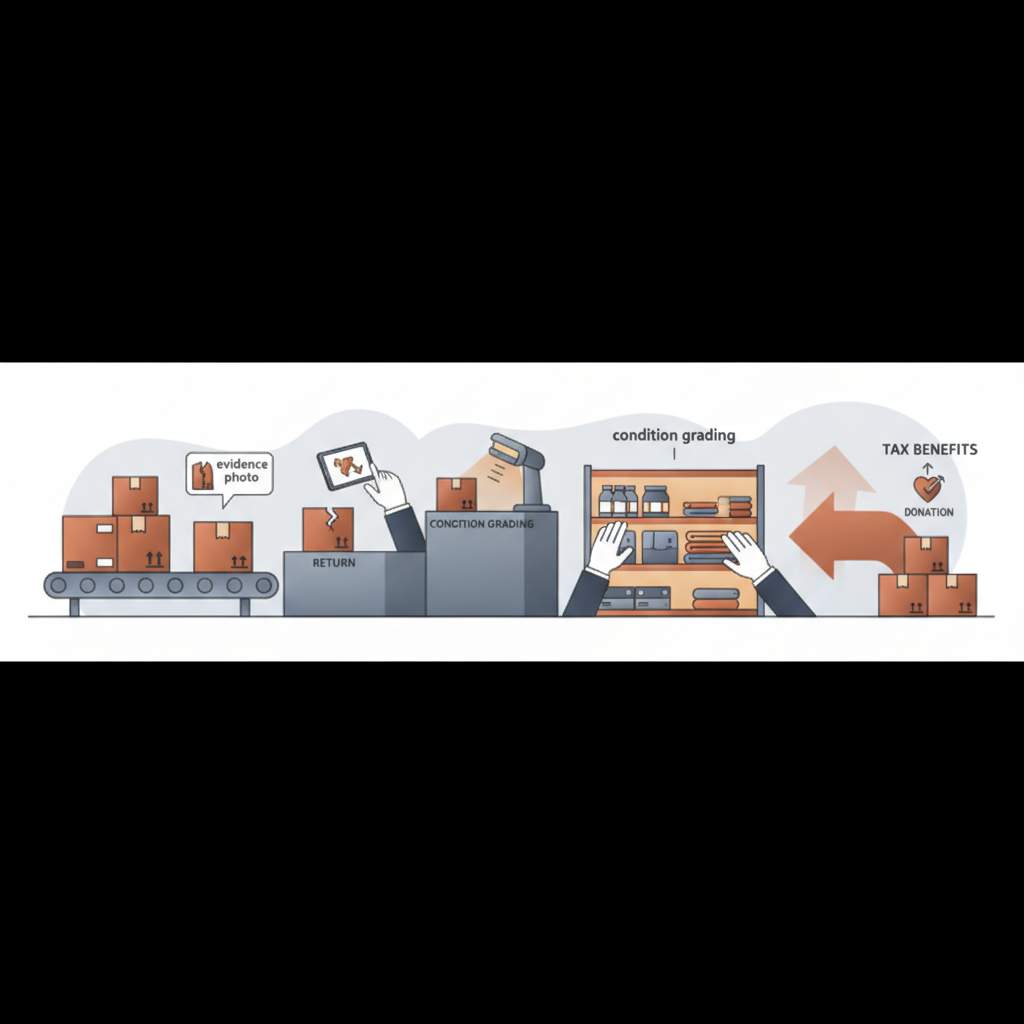
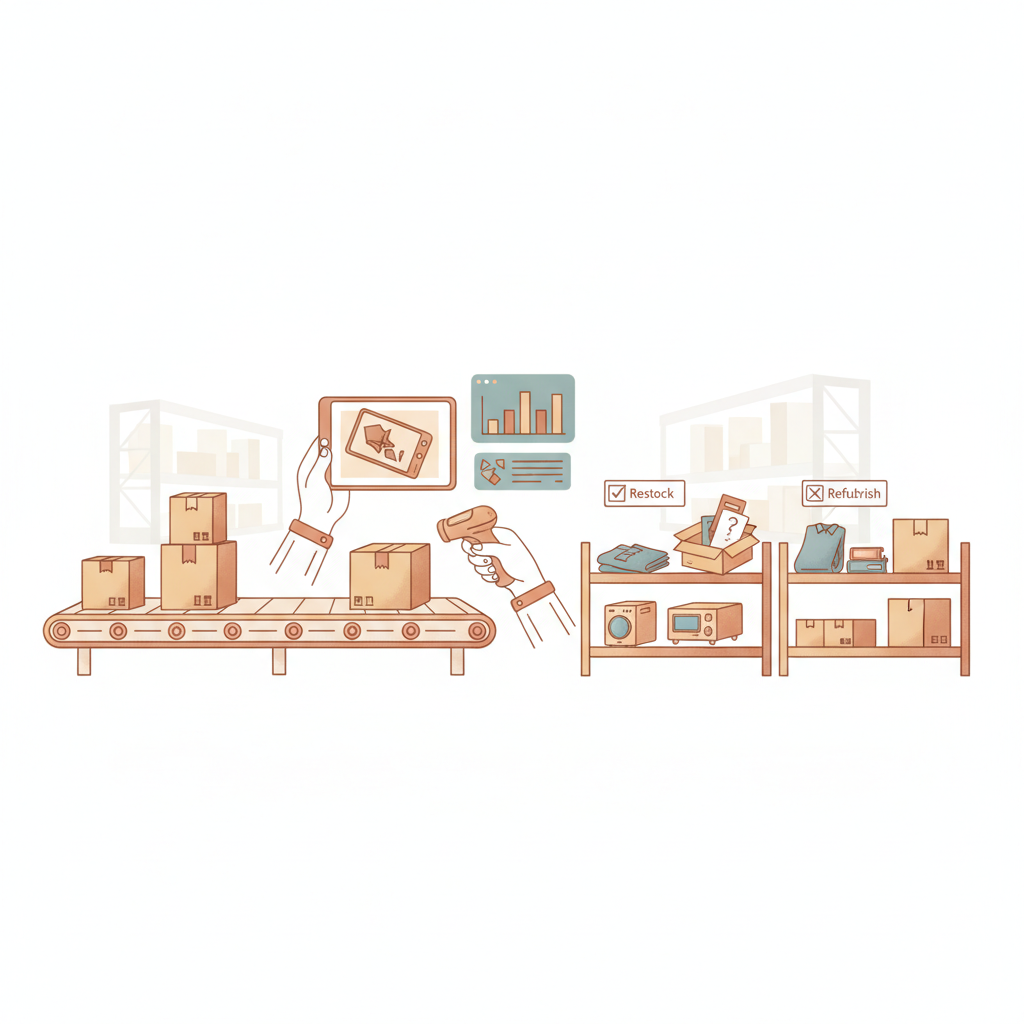
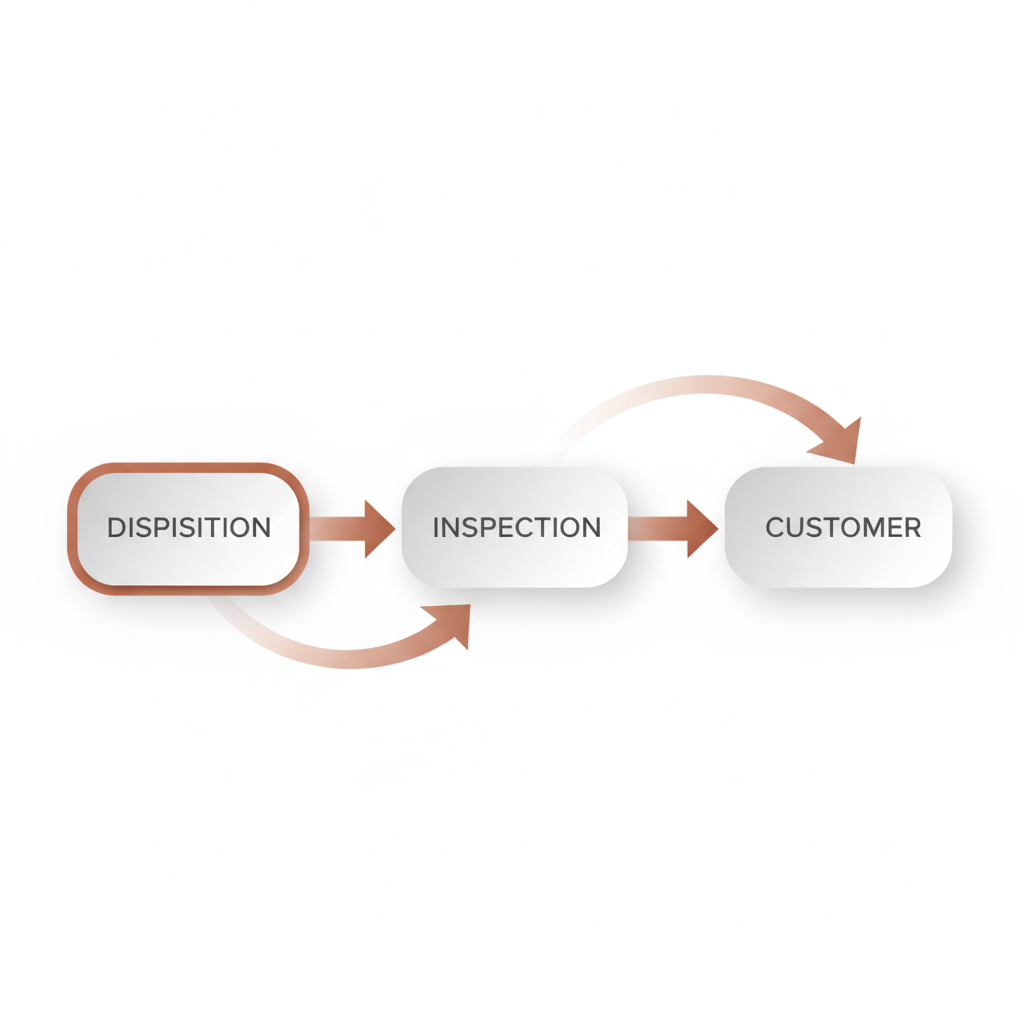
Think of reverse logistics as the field, and returns processing as one job within that field. A company doing reverse logistics might be managing recalled auto parts, refurbished laptops going back to a manufacturer, empty containers returning to a bottler, or e-commerce parcels coming back from customers. Returns processing specifically means what happens once an item physically arrives: it gets scanned, opened, inspected, graded for condition, and routed to a disposition (restock, liquidate, donate, or destroy).
Reverse logistics is the strategy and the network design. Returns processing is the operational execution at a single node in that network. You need the second to make the first actually work.
How reverse logistics differs from returns processing
The two terms get used interchangeably in a lot of vendor marketing, which causes confusion when a brand is trying to evaluate a provider. The table below separates them by scope, output, and who typically owns each piece.
| Dimension | Reverse logistics | Returns processing |
|---|---|---|
| Scope | End-to-end backward flow: transportation, network design, recalls, repairs, trade-ins, excess inventory | Receiving, inspection, grading, and disposition of an individual returned unit |
| Primary question answered | How should goods move backward across the whole network? | What condition is this specific item in, and what should happen to it? |
| Typical owner | Supply chain or logistics strategy team, sometimes a 3PL | A dedicated returns operator or in-house receiving team |
| Output | Network routes, carrier contracts, policy design, cost forecasts | A graded, documented, dispositioned item with an evidence trail |
| Where areturnz fits | Not applicable; areturnz is not a forward-logistics 3PL or carrier network | Core function: AI grading on an A/B/C/R scale, photo evidence, disposition routing |
For a deeper look at the operational side of that second column, see what returns processing actually involves.
Why the distinction matters when you're buying a service
If a vendor calls itself a reverse logistics provider, ask what they actually touch. Some reverse logistics companies handle transportation and warehousing but subcontract the inspection and grading step to someone else, or leave it to manual spot checks. That gap is where margin leaks: items get misgraded, restocked too slowly, or routed to liquidation when they should have gone back on the shelf. A breakdown of provider types and what each one actually does is in reverse logistics companies: the provider types and how they differ.
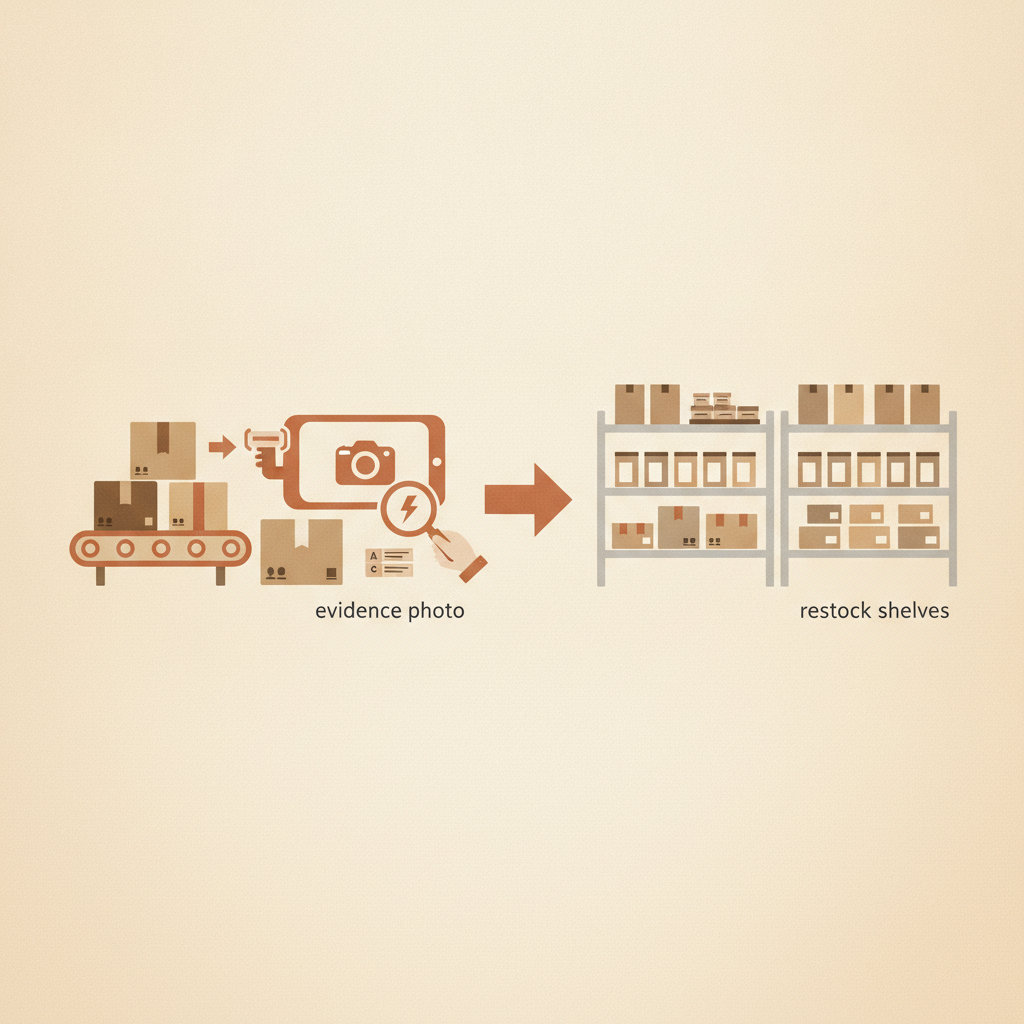
areturnz sits specifically at the returns processing layer. Every parcel gets photographed at receiving (outer label, opened parcel, item, and any defect), an AI model grades condition against the A/B/C/R scale with a confidence score and detected tags, and disposition rules route the item automatically, with operator overrides logged when a human steps in. Across more than 180K returns processed, the AI-versus-operator grading match rate holds at about 99.6%, which is what lets brands trust an automated disposition instead of re-checking every item by hand.
Where the physical work actually happens
Reverse logistics as a concept is network-wide, but the receiving and grading step has to happen somewhere concrete. areturnz runs facility NJ-01 in East Hanover, New Jersey, as the physical node where parcels arrive, get scanned, photographed, and graded. The evidence created at that step, timestamped photos, grade, confidence score, and disposition, becomes the record a retailer, brand, or marketplace can point to when a dispute or chargeback comes up later. You can see what that evidence actually looks like at the evidence sample page rather than taking a vendor's word for it.
This is also the layer where cost and speed get decided. A returns economics view of why the receiving-to-disposition window matters so much is covered in the cost of returns processing guide, which lays out how restock velocity and grading speed directly affect recovery rate.
How the two layers connect in practice
A retailer's reverse logistics strategy might decide that returns from the West Coast route to one facility and East Coast returns route to another, that certain categories always go to liquidation after 60 days, or that recalled items get flagged for a separate compliance path. Returns processing is what executes that strategy item by item: receiving the parcel, grading it, and applying the disposition rule the strategy defined. Without a reliable grading and evidence layer, the best-designed reverse logistics network still produces inconsistent outcomes, because nobody can trust the condition data feeding the routing decisions.
For partners building a white-label returns offering on top of this layer, the practical setup is covered in the partner use case overview, and pricing structure is laid out on the pricing page.
Frequently asked questions
Is reverse logistics the same thing as returns management?
Not exactly. Returns management usually refers to the policies and software around handling returns, like return windows, RMA issuance, and refund rules. Reverse logistics is broader and includes transportation, recalls, and excess inventory flows, not just customer returns.
Does areturnz do reverse logistics or returns processing?
areturnz is a returns processing network, not a forward-logistics 3PL or a general reverse logistics transportation provider. It specializes in the receiving, AI grading, and disposition step, with photo evidence and a signed-JSON API behind every return.
What does a reverse logistics company actually handle day to day?
It depends on the provider. Some manage transportation routes and warehousing only. Others, like areturnz, focus specifically on inspection, condition grading, and disposition once an item physically arrives. See the provider comparison for the common models.
Why does the A/B/C/R grade matter for reverse logistics decisions?
The grade is what turns a returned item into a disposition decision. An A grade typically routes to restock, lower grades might go to liquidation, donation, or destruction. Without consistent grading, a reverse logistics network has no reliable signal to route on, which is why areturnz ties grading confidence scores directly to disposition rules.
How fast does returns processing need to happen?
areturnz runs a roughly 48 hour median cycle from inbound scan to disposition decision. Faster grading means less markdown decay on items headed back to resale and fewer days of carrying cost on inventory sitting in limbo.
If you're trying to figure out where your current provider's reverse logistics claims actually stop and real returns processing begins, talk to the areturnz team and we'll walk through the evidence and grading data behind a real batch of returns.
Proof on every return
Photos, an AI condition grade, and a full custody chain, attached to every parcel and available via the API.