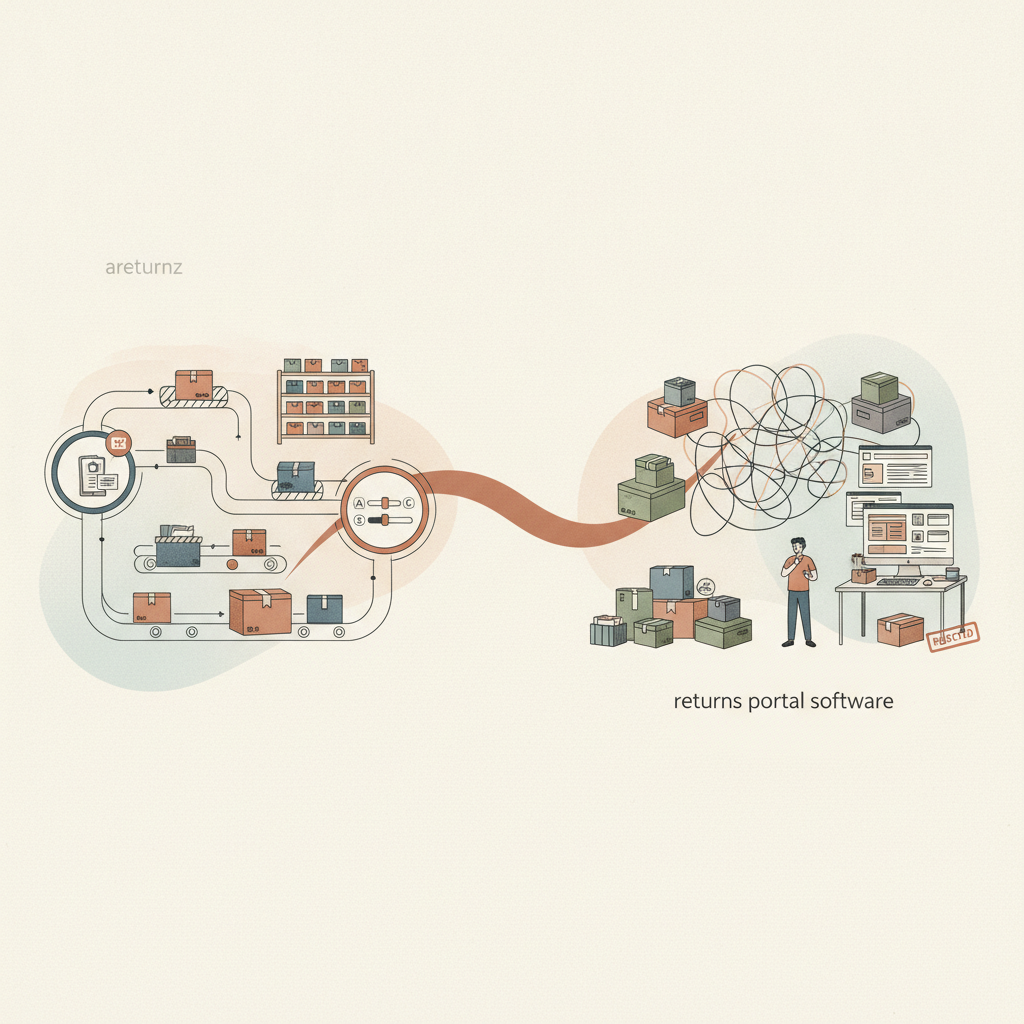
What It Really Costs to Outsource Returns Processing

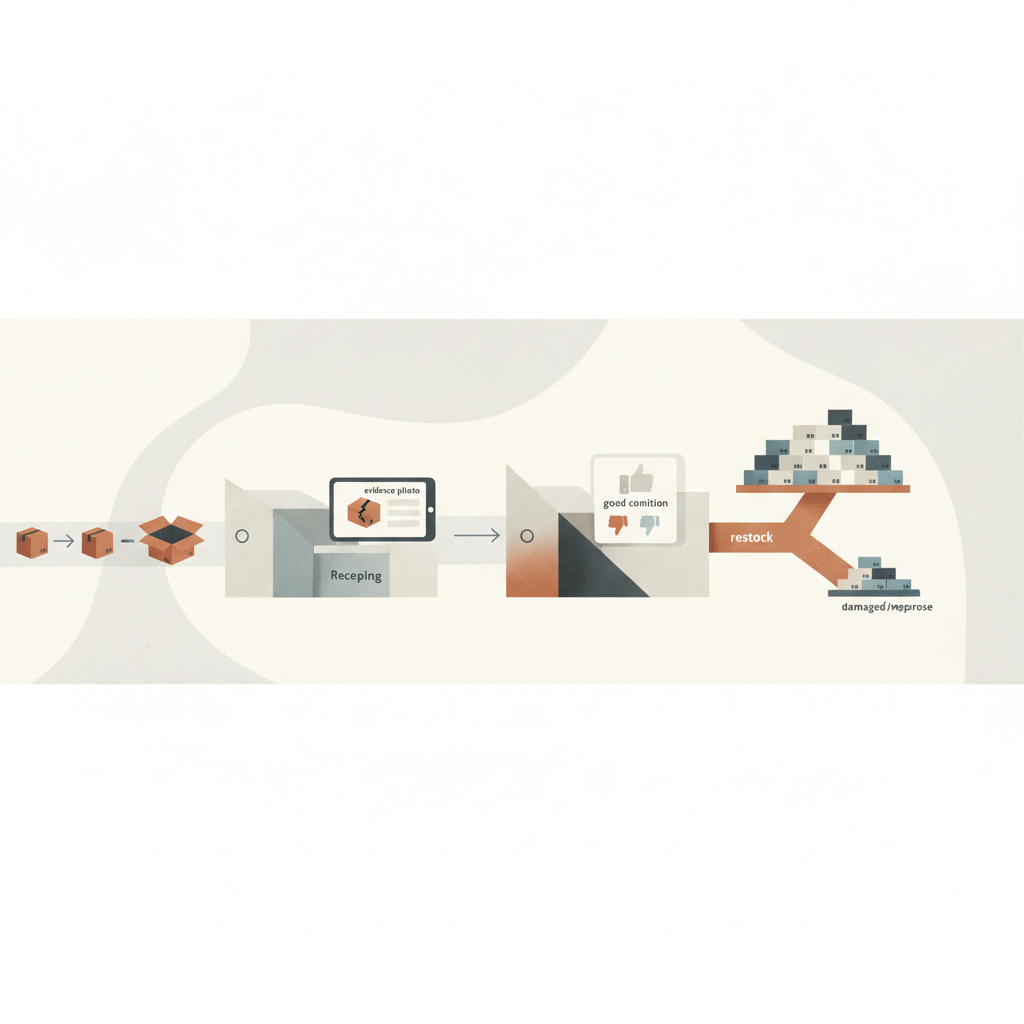
The real cost to outsource returns processing usually runs 15% to 35% higher than the quoted per-unit fee once you add storage, grading exceptions, and integration work, and it should be measured against how fast the unit gets back to sellable status, not just the invoice line. areturnz publishes both sides of that math: a per-unit fee tied to a roughly 48 hour median cycle from inbound scan to disposition, plus AI grading at 99.6% match accuracy against operator review across 180K+ returns processed, so the cost conversation includes speed and recovery, not just labor.
Most companies evaluating outsourcing get a single number from a vendor: a per-unit processing fee. That number is real, but it is not the cost. The cost is everything that fee does not cover, plus the opportunity cost of how long inventory sits before it becomes revenue again.
Why the quoted fee is never the full story
A per-unit fee from a 3PL or returns processor typically covers receiving and a basic sort. It rarely covers photography, condition grading, exception handling, storage beyond a grace period, or the reporting you need to close disputes and reconcile chargebacks. Each of those is a separate line item, and vendors structure quotes so the headline number looks competitive while the real invoice arrives in pieces.
This matters because the decision to outsource is really a decision about who absorbs variance. In-house teams absorb variance in headcount and overtime. Outsourced vendors absorb it in add-on fees. Neither is free, but only one of them is visible upfront.
The cost components hidden in a quote
Per-unit processing fees
This is the base rate, usually quoted per parcel or per SKU touched. It covers unboxing, a visual pass, and a disposition decision. What it often excludes is anything requiring a second look: damaged packaging, mismatched SKUs, or items that need a category-specific grading pass (apparel, electronics, and beauty all grade differently, as covered in our grading by category breakdown).
Storage and dwell fees
Every day a return sits ungraded costs money twice: the storage fee itself, and the markdown decay on the item's resale value. A vendor with a slow cycle can quote a low per-unit rate and still cost more overall because units dwell longer. This is the same dynamic we walked through in markdown decay vs restock speed: speed is a cost lever, not just a service level.
Grading and disposition variance
Manual grading lines have inconsistent judgment calls. One reviewer grades a lightly worn item as B, another grades the same item as C, and that inconsistency shows up as disputed dispositions, returned-to-sender liquidation lots, and rework. AI-assisted grading with a documented A/B/C/R scale and a confidence score reduces this variance, which is part of why match accuracy against operator review is worth tracking as a cost metric, not just a quality metric.
Integration and onboarding costs
Connecting a new vendor to your OMS, WMS, or marketplace accounts is not free. Expect setup fees, a ramp period where SLAs are soft, and engineering time on both sides. Ask any vendor for a specific tenant onboarding timeline before you sign, not a general promise of "quick integration."
Outsourcing vs in-house: the real math
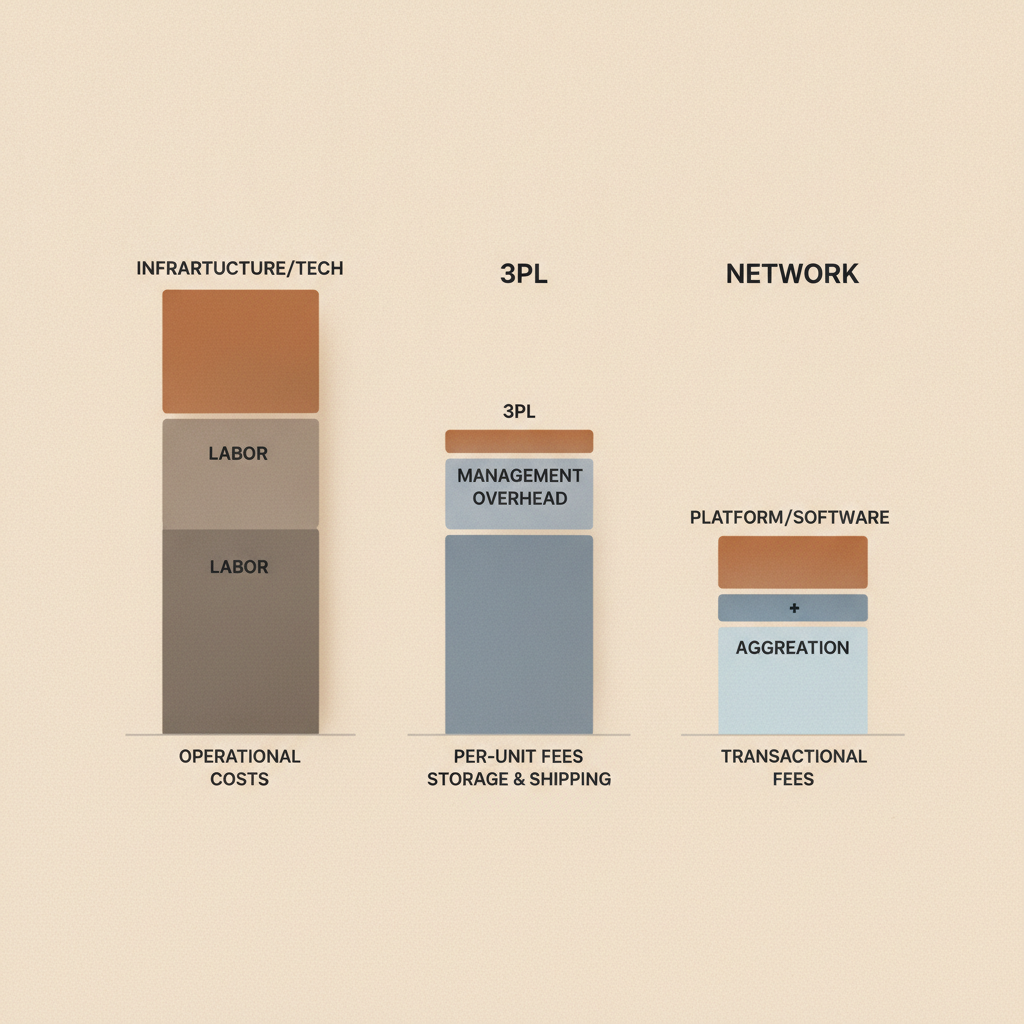
The table below lays out where costs typically land across three common setups. Numbers vary by category mix and volume, but the structure holds.
| Cost driver | In-house team | Generic 3PL add-on | areturnz network |
|---|---|---|---|
| Base processing cost | Fixed headcount, hard to flex with volume | Low quoted per-unit rate | Per-unit rate with published cycle time |
| Grading consistency | Depends on reviewer experience | Manual, variable by shift | AI graded A/B/C/R with 99.6% match accuracy |
| Cycle time (inbound to disposition) | Often 5 to 10+ days at peak | Varies widely, rarely published | Roughly 48 hour median |
| Evidence for disputes | Manual photos, inconsistent | Limited or fee-based add-on | Photo evidence bundle on every parcel by default |
| Storage/dwell exposure | Internal warehouse cost | Daily storage fee after grace period | Built into cycle time, not billed separately |
| Scale flexibility | Requires hiring/layoffs | Contractual minimums common | Network capacity absorbs peaks |
The column that gets missed most often is the third row. A vendor that is cheap per unit but slow on cycle time can cost more once you count markdown decay and storage. That is the actual comparison worth making, and it is one reason the real cost of a return is rarely the refund or the per-unit fee alone.
Where the recovery upside lives
Outsourcing cost only makes sense next to outsourcing recovery. Faster grading means faster restock, which means less markdown decay. Consistent grading means fewer disputed liquidation lots. Evidence on every parcel means fewer chargebacks going unchallenged, a topic covered in depth in the real cost of a chargeback. When you model outsourcing cost, model it against these offsets, not against a static per-unit comparison.
For partners reselling returns processing under their own brand, the math gets a second layer: margin on the service itself. That pricing structure is broken down separately in pricing a resold returns service.
What to ask before you sign
- What is the median cycle time from inbound scan to disposition, and is it published or just claimed?
- Is grading manual, AI-assisted, or fully automated, and what is the documented accuracy against human review?
- Does the evidence bundle (photos, condition tags, disposition reason) come standard or cost extra per parcel?
- What triggers a storage or dwell fee, and how is it calculated?
- What does onboarding actually take in weeks, not in marketing copy?
You can see what an evidence bundle actually looks like on a real returned parcel at the evidence sample page, and full rate structure at the pricing page. For a broader view of how the cost, speed, and margin recovery pieces fit together, the returns economics hub collects the rest of that math.
Frequently asked questions
Is outsourcing returns processing cheaper than doing it in-house?
Often yes at scale, but only if you count cycle time and dwell cost alongside the per-unit fee. A slow vendor with a low quoted rate can end up more expensive once markdown decay and storage fees are added in.
What is a normal cycle time for outsourced returns processing?
Ranges vary widely and many vendors do not publish a number at all. areturnz runs a roughly 48 hour median from inbound scan to disposition across its NJ-01 facility, which is a useful benchmark to ask competing vendors to match.
Does outsourcing mean losing visibility into grading decisions?
It should not. Ask whether every parcel produces photo evidence and a documented grade (A/B/C/R) with a confidence score, or whether you are relying on a vendor's word after the fact. Operator override logs matter too, since they show where AI and human judgment diverge.
How do I compare a 3PL add-on service to a dedicated returns network?
Compare cycle time, grading consistency, and evidence delivery, not just the per-unit rate. A dedicated network built around returns (versus forward logistics with returns bolted on) usually has more mature grading and disposition tooling, which shows up in fewer disputed lots and faster restock.
What volume makes outsourcing worth it versus building in-house?
There is no fixed threshold, but once returns volume creates staffing swings you cannot flex quickly, or once markdown decay from slow grading starts eating margin, outsourcing to a network with published cycle times and accuracy numbers usually pays for itself.
If you want the real numbers run against your own return volume and category mix, talk to areturnz and we will walk through the math with your actual data.
Her iade için kanıt
Fotoğraflar, yapay zekâ durum derecesi ve tam bir zimmet zinciri, her koliye ekli ve API üzerinden erişilebilir.