Oversized and Bulky Item Returns: The Economics of Large-Item Reverse Logistics
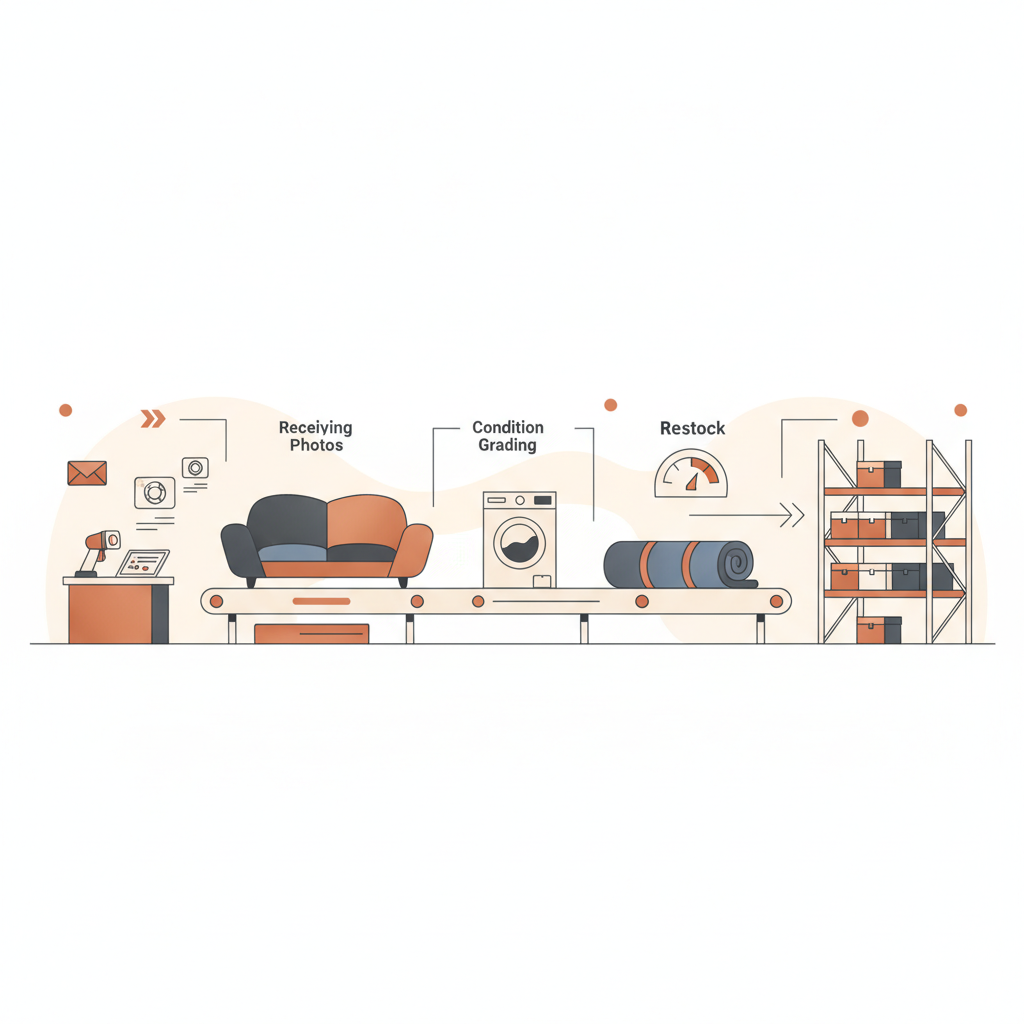
Oversized item returns economics describes the specific cost structure of processing furniture, appliances, mattresses, and other freight-class merchandise after a customer sends it back: outbound freight that often exceeds the item's resale value, higher damage rates from handling and transit, slower disposition because of storage footprint, and recovery paths that lean more heavily on liquidation and donation than restock. areturnz treats oversized returns as their own workflow, with photo evidence at receiving, AI condition grading on an A/B/C/R scale, and disposition routing built for freight-class volume rather than small-parcel assumptions.
Why bulky returns break standard returns math
Most returns economics content assumes a parcel that fits in a tote: a sweater, a phone case, a pair of shoes. The math for a 92 inch sectional or a 400 pound refrigerator looks nothing like that. Three things change at once.
Freight cost eats the margin before grading even starts
A small-parcel return might cost two to eight dollars in reverse shipping. A freight-class return routinely costs 80 to 300 dollars in LTL (less-than-truckload) handling, depending on weight class, distance, and whether a liftgate or white-glove pickup is required. On a 600 dollar dining table, that freight line alone can consume 15 to 50 percent of retail value before anyone assesses condition.
Damage rates run higher
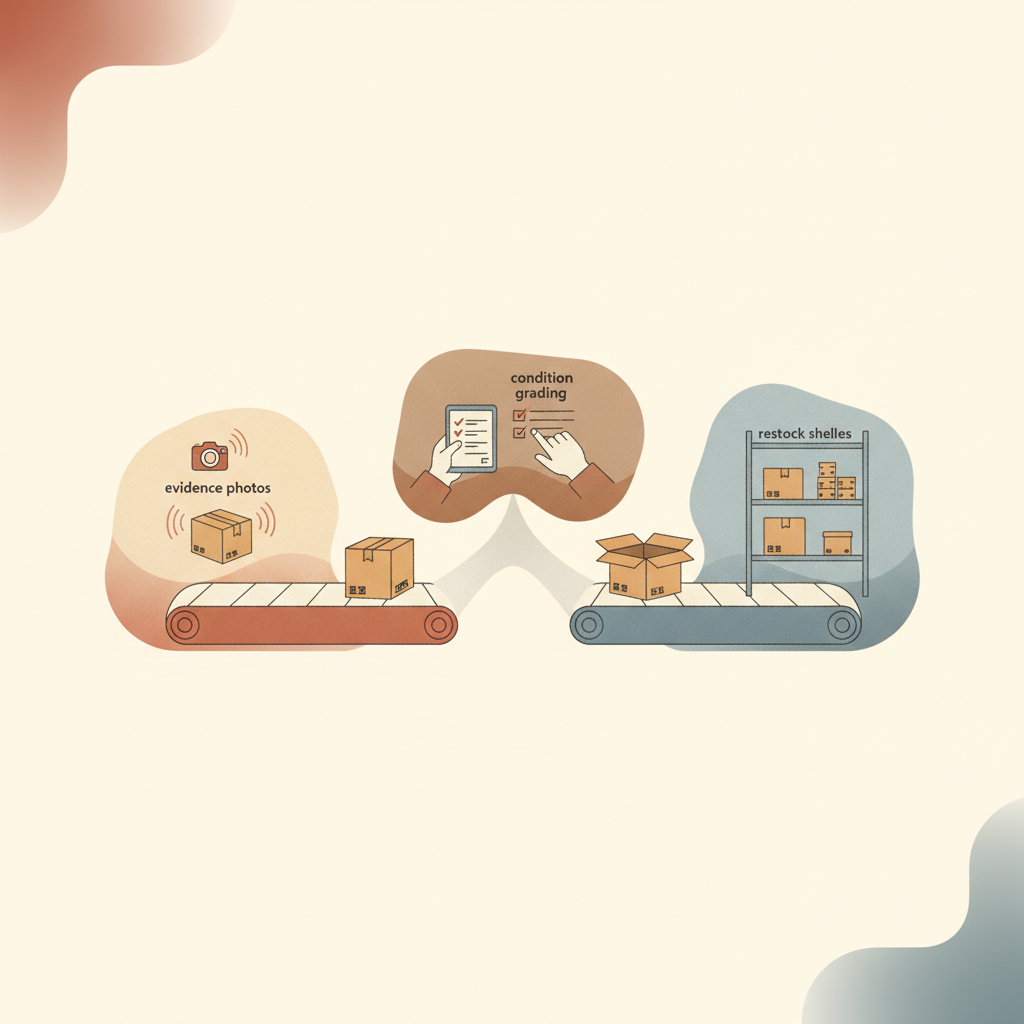
Corners get crushed, legs get scuffed, glass gets chipped, and boxes get resealed badly after a customer unboxes a mattress or a grill. Industry damage incidence on oversized SKUs commonly runs two to four times what apparel or electronics returns see, which is exactly why photo evidence at receiving (outer carton, opened parcel, item, and any defect) matters more here than almost anywhere else in the network.
Storage footprint changes the clock
A pallet of returned patio furniture ties up far more cubic footage than a shelf of folded shirts. Every day it sits waiting for a disposition decision is a day of warehouse rent with no revenue attached. That is why areturnz runs a 48 hour median cycle from inbound scan to disposition across the network, a number that matters even more on bulky freight where storage cost per unit is structurally higher.
Oversized versus small-parcel returns: the economics side by side
| Factor | Small-parcel returns | Oversized and freight-class returns |
|---|---|---|
| Typical reverse freight cost | $2 to $8 | $80 to $300+ (LTL, liftgate, white-glove) |
| Damage/defect incidence | Lower, mostly cosmetic | 2 to 4x higher, structural and cosmetic |
| Storage footprint per unit | Shelf or bin | Pallet or floor space |
| Dominant disposition path | Restock to shelf | Liquidation, refurbish-and-resell, donation |
| Grading inputs | Photo plus tag scan | Multi-angle photo, dimensional check, packaging integrity |
| Time sensitivity | Markdown decay on fashion cycles | Carrying cost decay on floor space and capital |
The pattern holds across furniture, major appliances, fitness equipment, and outdoor goods: the freight line and the damage rate are the two variables that decide whether an oversized return is worth processing at all, or whether it should be dispositioned to liquidation straight off the dock.
Grading oversized items on the A/B/C/R scale
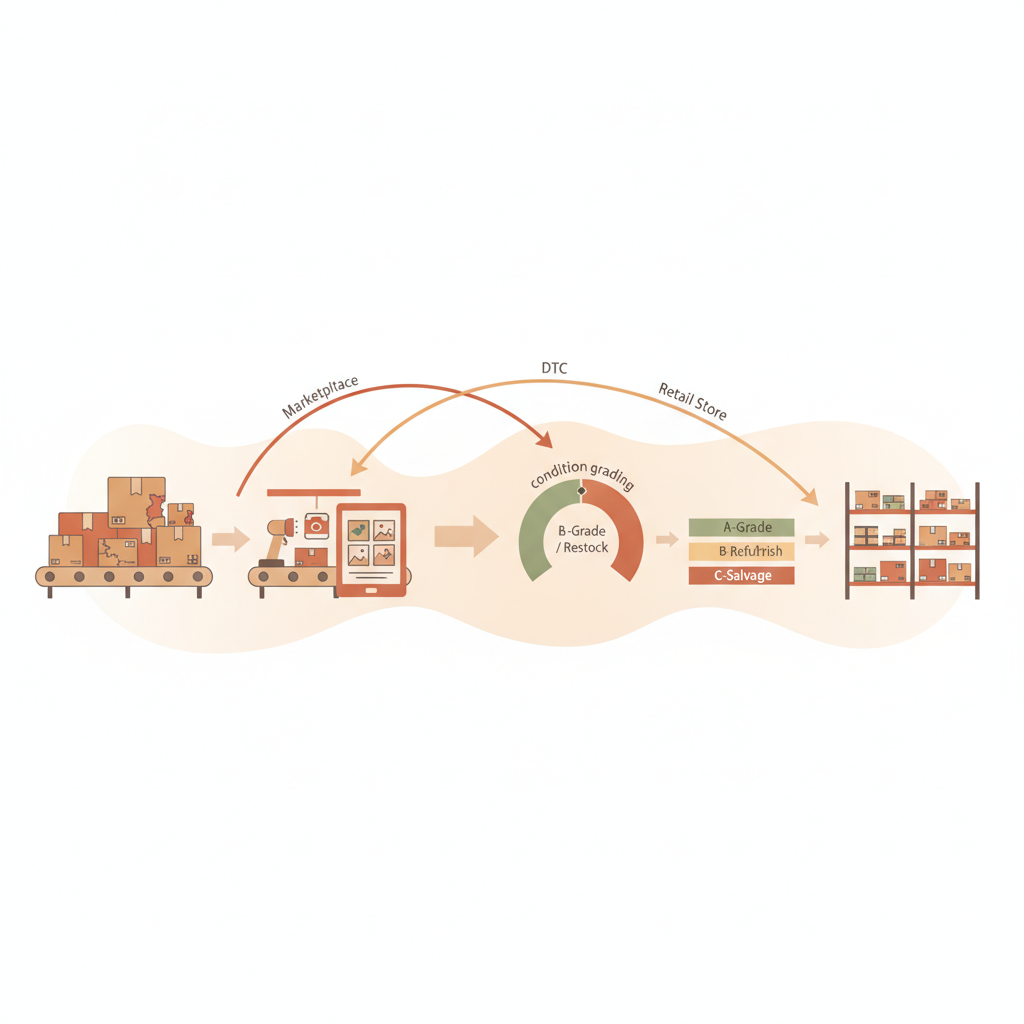
AI condition grading works the same four-tier logic on a couch as it does on a sneaker: Grade A (like new, full restock value), Grade B (minor wear, discount restock or open-box resale), Grade C (functional but visibly used, liquidation-grade), and Grade R (return to vendor or scrap). What changes is the input set. Oversized grading pulls in multi-angle photos of upholstery, frame, and hardware, checks packaging integrity against known damage patterns (crushed corners, water staining, missing hardware bags), and in some categories cross-references weight and dimensions against the original SKU to catch mismatched or incomplete returns before they reach a shelf. Across the network, AI grading matches operator judgment on disposition about 99.6% of the time, with every override logged so patterns specific to freight-class damage keep feeding the model.

Disposition paths that actually fit bulky freight
Restock is the exception for oversized returns, not the default. A Grade A sofa with no observed defects can go back into open-box inventory. Everything else tends to route toward faster-moving channels:
- Liquidation: Grade C items and anything with cosmetic damage move through liquidation channels fast, because every extra day on a pallet costs more than it does for a shelf item. Recovery rates vary widely by category and condition, which is why tracking actual liquidation yield matters more here than the sticker price suggests, a topic covered in more depth in liquidation recovery rates: what you actually get back.
- Refurbish and resell: appliances and furniture with fixable defects (a scratched panel, a loose leg) sometimes justify light refurbishment before resale, when the repair cost is lower than the delta between B-grade and A-grade resale value.
- Donation: functional items that do not clear a liquidation threshold often route to donation, which also supports landfill diversion goals without an added freight leg.
- Destruction: structurally damaged or recalled units get dispositioned to destruction, with a certificate attached to the evidence bundle for compliance.
Why evidence matters more on freight-class returns
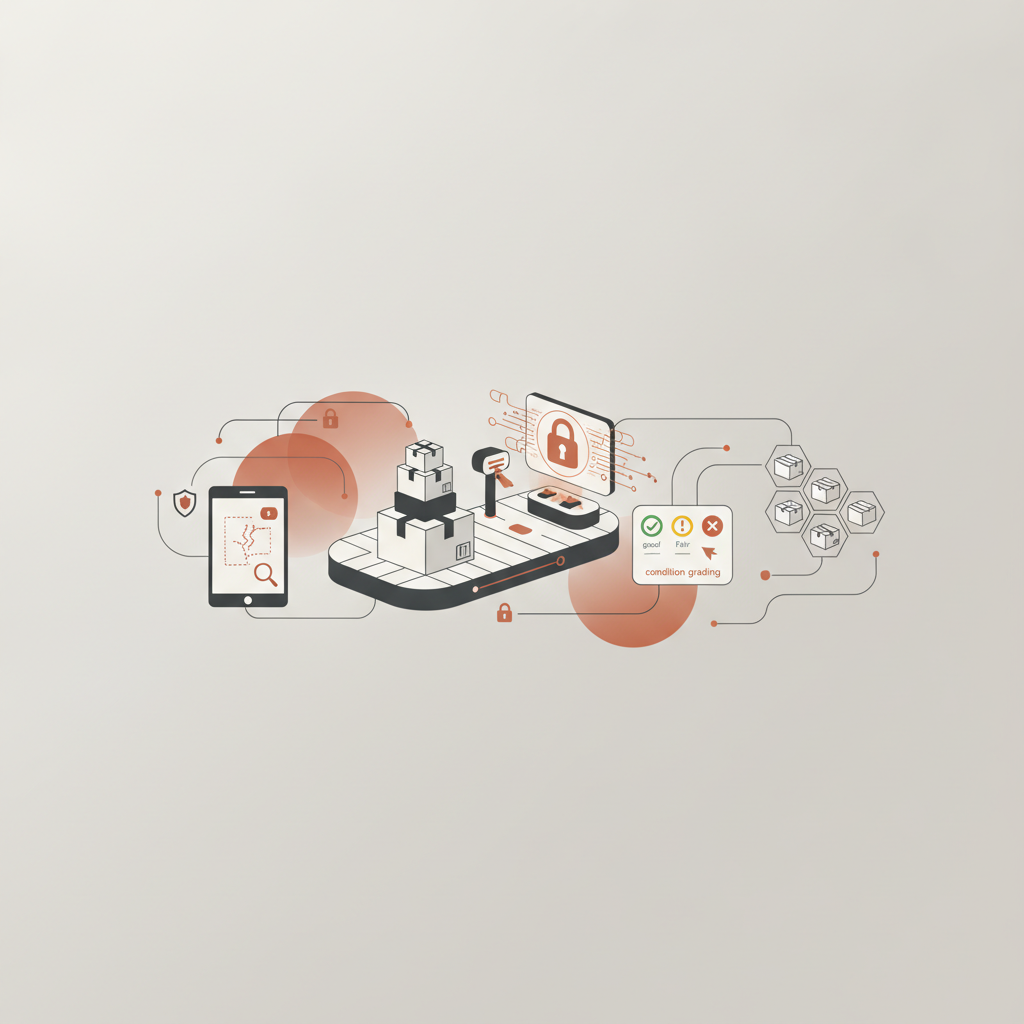
Carrier damage disputes, vendor chargebacks, and freight claims all hinge on proof of condition at time of receiving. A photographed outer carton showing crush damage, timestamped against the carrier's delivery scan, closes a freight claim in a way a written note never will. That evidence bundle, available in the dashboard and via signed-JSON API with webhooks, is the same mechanism used for buyer disputes on resold open-box furniture and appliances. You can see what a real evidence bundle looks like at the evidence sample page.
What this means for retailers and partners handling bulky categories
If furniture, appliances, or fitness equipment make up a meaningful share of your return volume, the standard small-parcel cost model will understate your true cost per return by a wide margin. Freight, damage rate, and storage footprint need their own line items. areturnz has processed more than 180,000 returns across the network, including freight-class categories, through a single facility in East Hanover, New Jersey (NJ-01), with the same 48 hour disposition cycle and grading accuracy applied regardless of parcel size. Brands and 3PLs evaluating a dedicated returns network for bulky categories can see how the model applies to partner volume on the partner use cases page, and this piece sits alongside the broader returns economics guide for teams building a full cost model.
Frequently asked questions
Why do oversized returns cost so much more than small-parcel returns?
Reverse freight for freight-class items (LTL shipping, liftgate service, sometimes white-glove pickup) can run from 80 to 300 dollars or more per return, compared to a few dollars for small-parcel shipping. Higher damage rates and larger storage footprints add to the gap.
Can oversized returns be restocked at all?
Yes, but restock is less common than with small parcels. Grade A items with no observed defects can go back to open-box inventory. Most oversized volume routes to liquidation, refurbish-and-resell, or donation instead.
How does AI grading handle furniture or appliances differently than apparel?
The grading model pulls in multi-angle photos of frame, upholstery, and hardware, checks packaging integrity against known damage patterns, and in some categories verifies weight and dimensions against the original SKU. The underlying A/B/C/R scale and confidence scoring stay the same.
What disposition speed should we expect for bulky returns?
areturnz runs a 48 hour median cycle from inbound scan to disposition across the network. Storage cost per unit is higher for freight-class items, which makes holding to that cycle time more financially important, not less.
Does photo evidence actually help with freight damage claims?
Yes. A timestamped photo of carton condition at receiving, tied to the carrier's delivery scan, is the strongest evidence for a freight damage claim or vendor chargeback, and it ships as part of the same evidence bundle used for buyer disputes.
If oversized or bulky returns are a growing share of your volume and the current cost model is not capturing freight, damage, and storage realistically, talk to areturnz about how the network handles freight-class disposition.
Related reading: Returns Benchmarking by Channel: Marketplace vs DTC vs Retail Store Returns
Her iade için kanıt
Fotoğraflar, yapay zekâ durum derecesi ve tam bir zimmet zinciri, her koliye ekli ve API üzerinden erişilebilir.