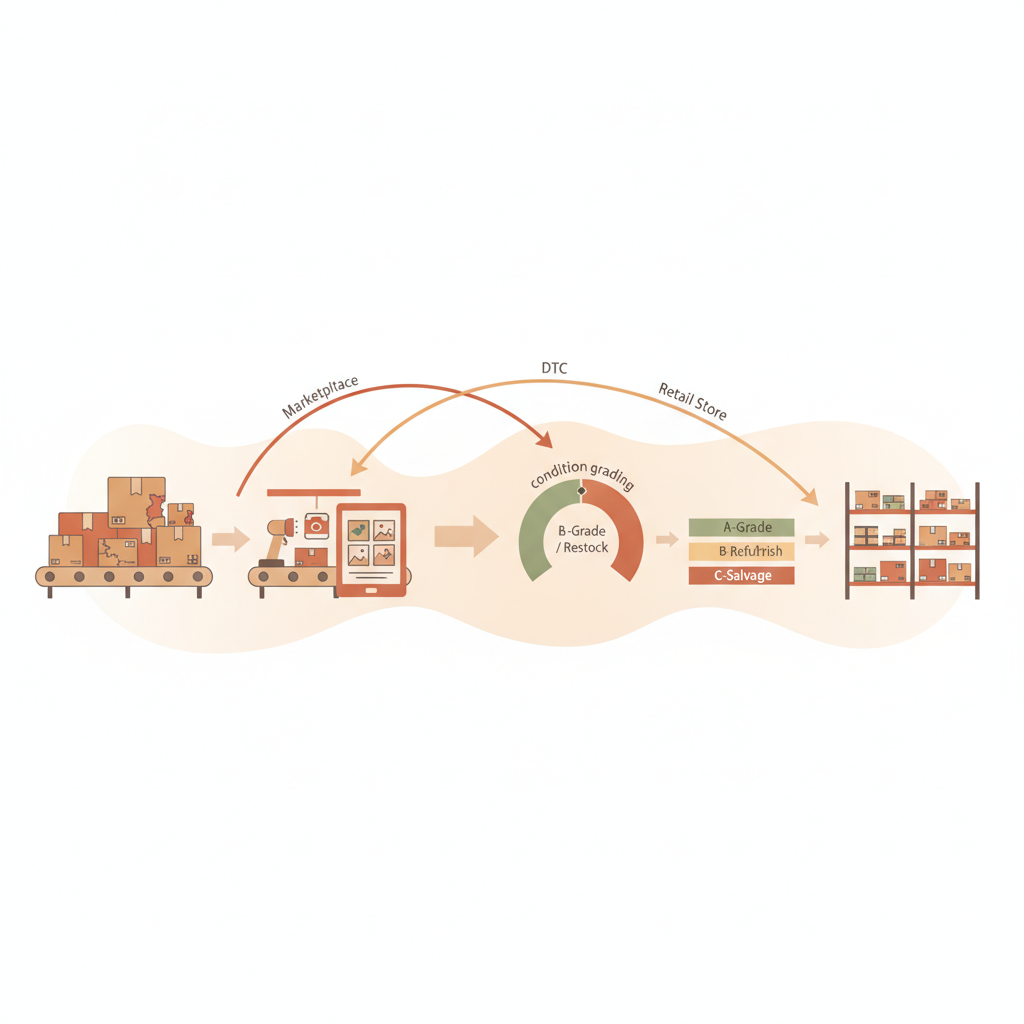
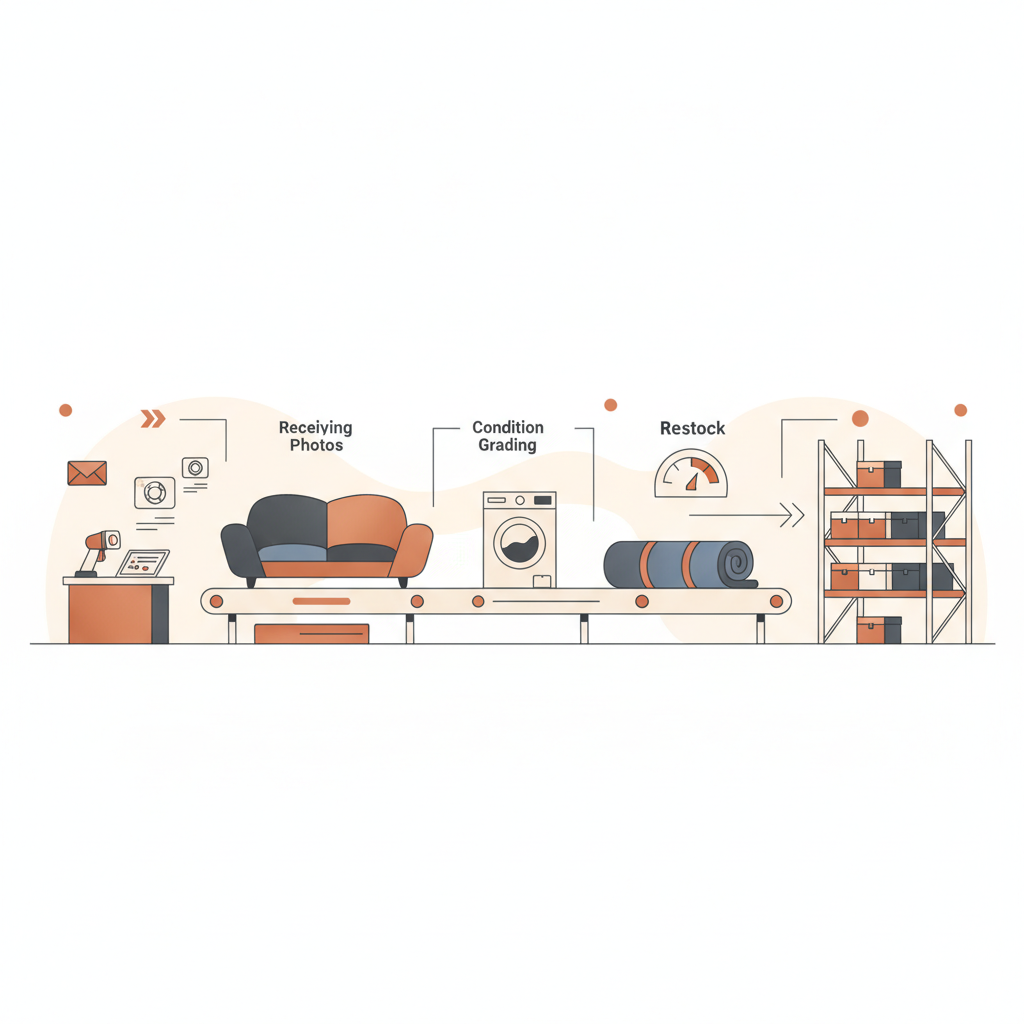
Wardrobing and serial returner fraud: how evidence patterns catch repeat abuse
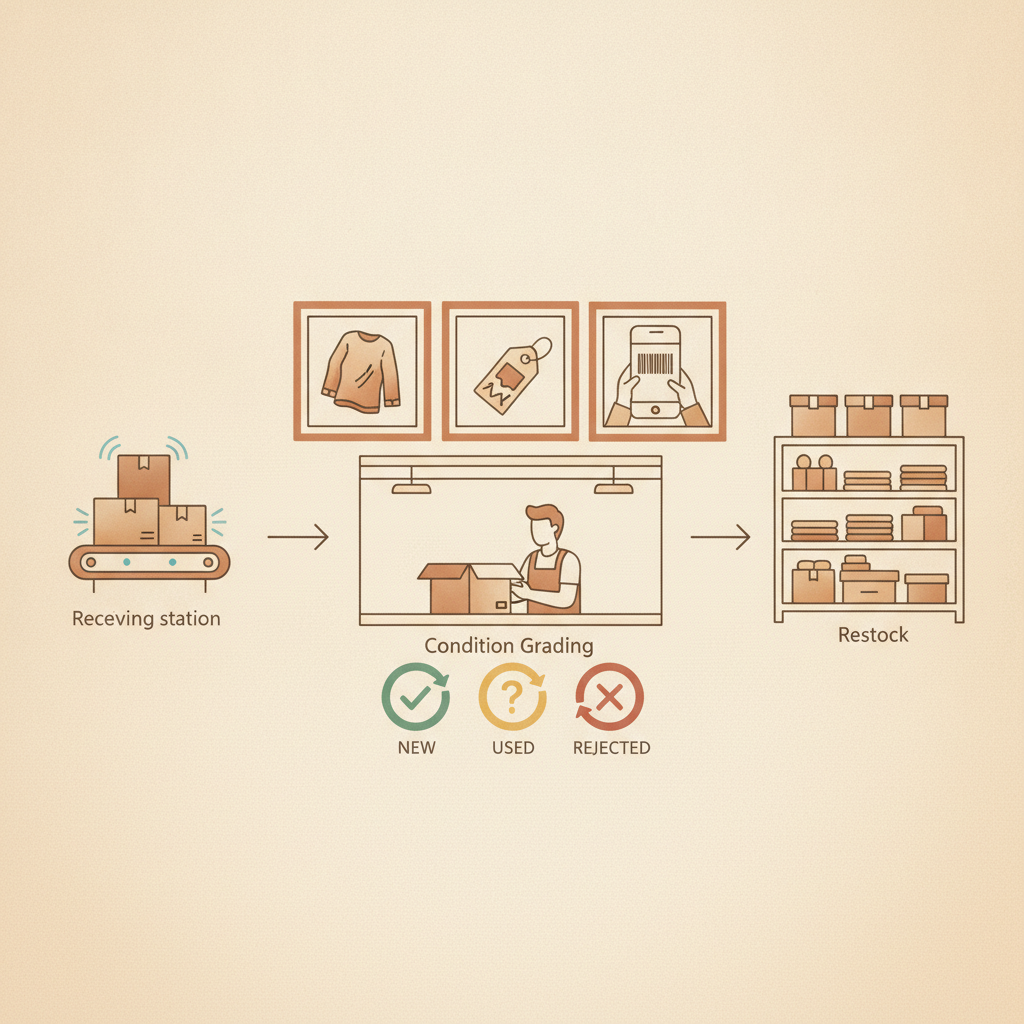
Wardrobing and serial returner fraud describe the same core problem from two angles: a customer buys an item, uses it once (a dress for an event, a tool for a weekend job, a camera for a trip), then returns it as if new, and does this repeatedly across orders or accounts. areturnz catches this pattern not through a single flagged return but through evidence collected across every parcel: the outer label photo, the opened parcel photo, the item photo, and the defect photo, each tied to an AI grade on the A/B/C/R scale with a confidence score. A single return rarely proves fraud. A pattern of returns, viewed through consistent photo evidence, does.
What wardrobing actually looks like in the data
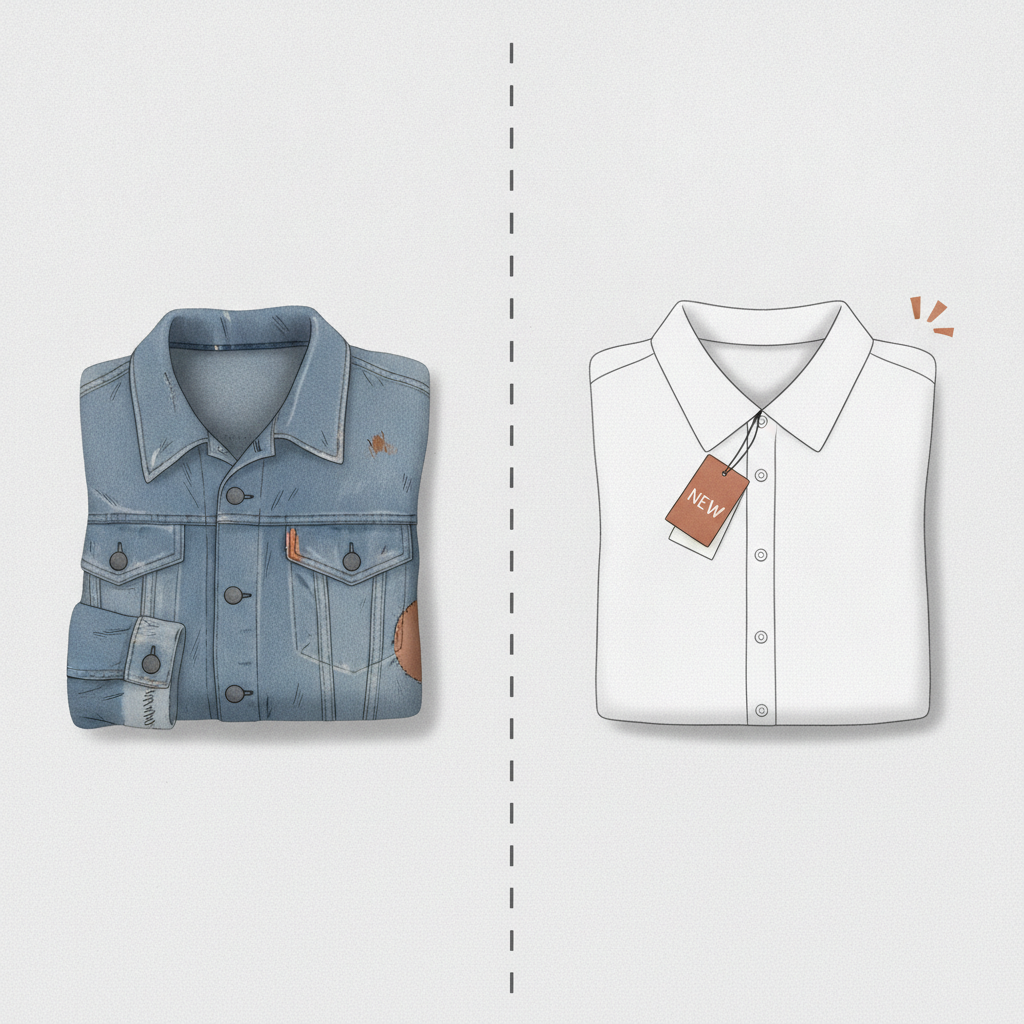
Wardrobing is not shoplifting and it is not a damaged-item dispute. It is a customer who gets full use out of a product, then returns it inside the policy window claiming it is unworn or unused. The item usually passes a cursory visual check at a retail counter. It does not usually pass a structured photo and grading process, because wear leaves traces: creases at stress points, faint odor-adjacent staining, tag reattachment marks, sole scuffing on shoes, or a SIM tray that has clearly been removed and reinserted on electronics.
Serial returner fraud is the behavioral layer on top of this. It is the same customer (or household, or small group sharing an address or payment method) doing it again and again, sometimes across different retailers using the same returns infrastructure. Reason codes alone cannot catch this because customers self-select the reason, and "no longer needed" or "changed my mind" cover almost anything. What catches it is cross-referencing condition evidence against claimed reason, and cross-referencing frequency and pattern across multiple returns from the same source.
Why evidence, not reason codes, is the real signal
Most retailers rely on the reason code selected at the return-portal step. That code is self-reported and unverifiable on its own. areturnz treats it as one input, not the deciding one. Every parcel that enters NJ-01 or another node gets photographed at receiving before anyone reads the stated reason, which means the condition evidence is captured independent of the customer's story. When the AI grade and detected tags contradict the stated reason (claimed "new, unused" but tags show fabric pilling, deodorant transfer, or a removed security tag reattached crookedly) that mismatch gets flagged for review.
This is the same evidence-first discipline described in our piece on killing the item-not-as-described dispute, applied here to a different fraud shape: not a single contested claim, but a pattern across many returns that only becomes visible when every unit carries the same structured evidence.
The pattern-matching layer: single return vs repeat behavior
A single B-grade return with light wear tags is normal. Retail returns include genuine buyer's remorse, sizing mismatches, and gifts. What changes the picture is repetition: the same account, address, or payment instrument generating a disproportionate share of B/C grade returns relative to peers, especially in categories prone to one-time use like formalwear, outdoor gear, power tools, and cameras.
areturnz's disposition engine logs every operator override alongside the AI grade, which builds a record over time. At roughly 99.6% AI-vs-operator match accuracy across 180K+ processed returns, the disagreements are rare enough that each one is worth looking at, and the overrides themselves become part of the evidence trail a retailer can review for repeat-offender patterns.
| Signal type | What it captures | Why it matters for wardrobing/serial returner cases |
|---|---|---|
| Outer label photo | Original shipping label, tracking, timestamp | Confirms the parcel is genuinely the original shipment, not a swapped box |
| Opened parcel photo | Packaging condition, inserts, tags present or missing | Shows whether original tags, security devices, or seals were removed and reattached |
| Item photo | Full item condition at receiving | Captures wear, use, or alteration independent of the customer's stated reason |
| Defect/detail photo | Close-up of flagged areas | Documents specific wear markers (scuffing, staining, odor-adjacent residue, scratches) |
| AI grade (A/B/C/R) with confidence | Structured condition score | Converts subjective "looks used" into a comparable, auditable data point across returns |
| Disposition and override log | Routing decision and any human correction | Builds a longitudinal record that surfaces repeat accounts, addresses, or patterns |
Grade and disposition implications
A wardrobed item rarely grades A. It typically lands B or C depending on severity, and the disposition rules route it accordingly rather than letting it flow straight back to sellable inventory as if it were untouched stock. This protects margin two ways: it stops a worn item from being resold as new (a buyer trust problem documented in our resold open-box trust piece), and it creates a documented condition record a retailer can reference if the same account disputes a future denial or threatens a chargeback.
Our broader disposition framework, covered in disposition rules: turning grades into decisions, applies the same logic here: the grade and confidence score decide the routing, and every override is logged rather than silently applied. That audit trail is what a retailer's loss prevention or customer trust team actually needs when building a case against a repeat account, not a verbal assurance that "the item looked used."
How this differs from marketplace INAD fraud
Marketplace item-not-as-described fraud, which we cover in closing the INAD loophole, centers on a buyer falsely claiming a seller's item arrived defective or different to force a refund. Wardrobing and serial returner fraud is a retail-side behavior pattern: the item usually is what was ordered, the claim is usually honest about the product, but the use pattern and stated reason do not match the evidence. Different fraud shape, same fix: photograph everything at receiving, grade it consistently, and keep a chain of custody that a retailer can trust regardless of who is disputing what.
Our chain of custody audit trail post goes deeper on how that record is assembled unit by unit, which is the backbone that makes pattern detection possible in the first place.
What a retailer or brand actually gets
Every return processed through areturnz ships with an evidence bundle, viewable in the dashboard or pulled via a signed-JSON API with webhooks. For a retailer fighting wardrobing, that bundle is the difference between a gut feeling ("this customer returns a lot") and a defensible case ("this account's last six returns graded B or C with wear-consistent tags, and three claimed unused condition"). You can see a sample of what that evidence actually looks like on the evidence sample page, and how the overall framework fits into trust and dispute handling on the evidence and trust guide.
With a 48 hour median cycle from inbound scan to disposition, the evidence and the grade exist fast enough to act on, whether that means tightening a return policy for a flagged account, routing a questionable item to liquidation instead of restock, or simply having the documentation ready if a dispute escalates.
Frequently asked questions
Is wardrobing illegal or just a policy violation?
It typically falls under a retailer's return policy terms rather than criminal fraud statutes, though serial, high-value patterns can cross into fraud depending on jurisdiction and intent. Most retailers handle it through policy enforcement (denying future returns, charging restocking fees) backed by condition evidence rather than legal action.
Can AI grading alone prove wardrobing?
No single grade proves intent. A B or C grade with wear tags shows the item was used, but proving a pattern of abuse usually requires looking at repeat behavior across multiple returns tied to the same account, address, or payment method, which is why the disposition and override log matters as much as any one grade.
How is serial returner fraud different from normal return behavior?
Most customers return items occasionally for ordinary reasons like fit or changed plans. Serial returner fraud shows up as a disproportionate share of one-time-use categories, consistent condition mismatches against stated reasons, and repetition across many transactions rather than an isolated case.
Does areturnz flag suspicious accounts automatically?
The AI grades each item's condition independently at receiving. Retailers and brands use the evidence bundles and disposition history, available via dashboard or API, to build their own account-level fraud rules, since the appropriate threshold varies by category, price point, and policy.
What happens to a wardrobed item after it's flagged?
It gets routed by disposition rules based on its grade, typically to liquidation or, in cases of significant soiling or damage, destruction, rather than back to sellable stock. The evidence bundle documents why, which supports both internal policy enforcement and any dispute that follows.
If repeat returns are quietly eating your margin, talk to our team about how evidence-backed grading can give you a defensible, auditable record for every return. Contact areturnz to see it in action.
Related reading: Evidence for Insurance Claims: Using Returns Proof Beyond Disputes
Her iade için kanıt
Fotoğraflar, yapay zekâ durum derecesi ve tam bir zimmet zinciri, her koliye ekli ve API üzerinden erişilebilir.