White-Label Returns Platform: The Partner Playbook for Reselling Returns Processing
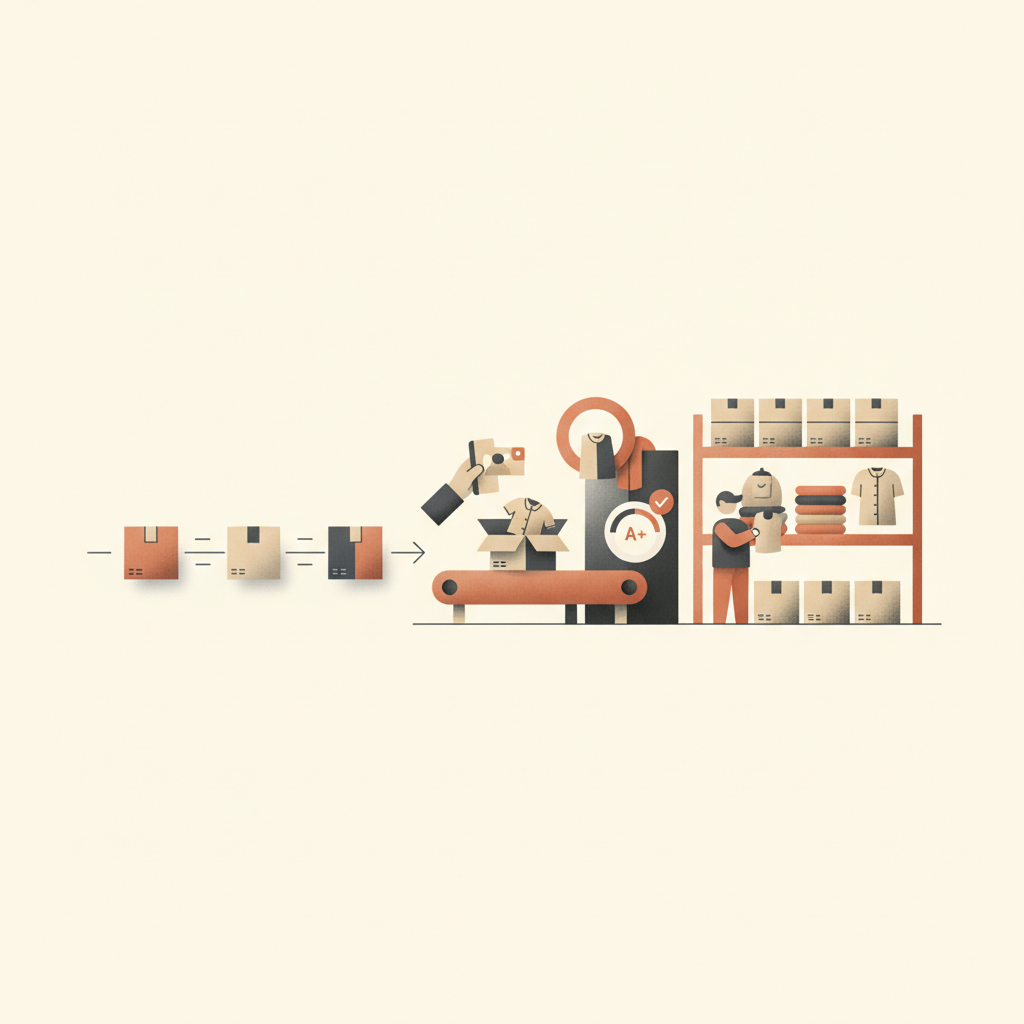
A white-label returns platform is a returns processing network that a partner (a 3PL, a marketplace, a brand aggregator, or a platform) can resell under its own name, with the underlying receiving, grading, and disposition work handled by someone else. areturnz runs this as an owned-and-operated network: every parcel is photographed at receiving, graded by AI on an A/B/C/R scale, routed to a disposition, and backed by an evidence bundle, all of which a partner can present as its own service without building any of it.
What a white-label returns platform actually does
The pitch sounds simple: let someone else run the warehouse floor while you keep the customer relationship. But the mechanics matter more than the pitch. A returns platform worth reselling needs to do three things well: process the physical item fast, make a defensible decision about its condition, and hand back proof that survives a dispute or an audit. areturnz processes at a roughly 48 hour median cycle from inbound scan to disposition, which is fast enough that a partner's own SLA promises to its customers stay realistic instead of aspirational.
Every unit that comes through NJ-01, our East Hanover, New Jersey facility, gets the same treatment regardless of whose logo sits on top of the program: outer label photo, opened parcel photo, item photo, and a defect photo where relevant. That consistency is what makes white-labeling possible at all. A partner can't resell a service where quality varies by which associate happened to open the box.
How the network works under the hood
Photo evidence and grading at receiving
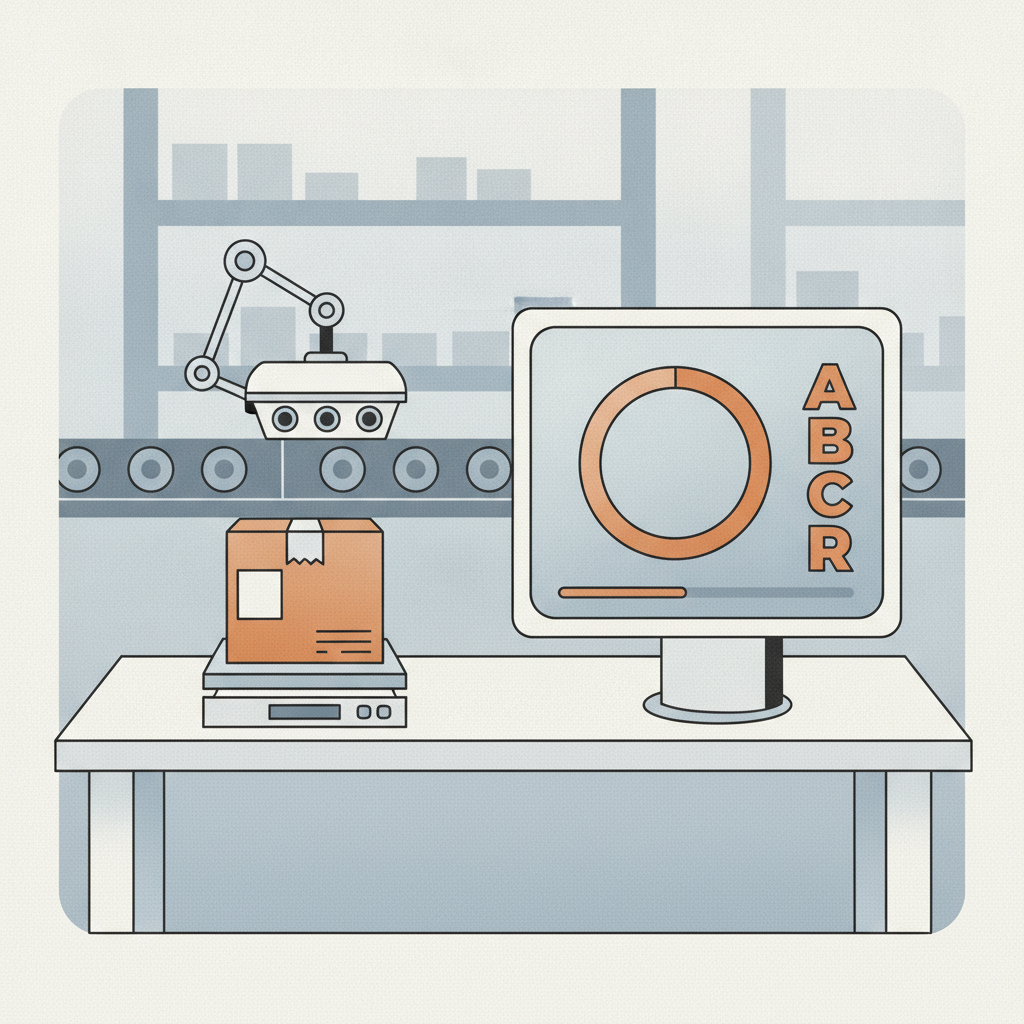
Each return is graded A, B, C, or R at intake, with a confidence score attached to the call. Across more than 180K returns processed, AI grading has matched operator judgment about 99.6% of the time, and every mismatch is logged rather than silently overridden. For a partner reselling this as "our returns program," that match rate is what lets them tell their own customers the grading is dependable without having to build or audit a grading model themselves.
Disposition rules and operator overrides
Grades feed disposition rules that route each item to restock, liquidate, donate, or destroy. Partners can set their own thresholds per tenant (a marketplace might restock more aggressively than a luxury brand, for instance), and every operator override is logged against the original AI call. That log is part of what makes the disposition rules defensible when a brand asks why a specific unit was liquidated instead of restocked.
Multi-tenant architecture for partners
Reselling only works if one partner's data never leaks into another's. areturnz's multi-tenant setup isolates webhooks, reporting, and evidence access per tenant, so a 3PL running returns for five different brands can give each brand its own dashboard view and API credentials without cross-contamination. The mechanics of that isolation, including how webhook payloads are scoped and retried, are covered in multi-tenant webhook isolation done right.
Per-tenant reporting and evidence access
Each tenant gets its own evidence bundle access, whether through the dashboard or the signed-JSON API with webhooks. A partner reselling the service can expose that same bundle to its own end customers, effectively rebranding a proof layer it didn't have to engineer.

Comparing partner models
Not every partner wants the same slice of the network. Some want full white-label resale, some want a co-branded layer, and some just want the evidence and grading data feeding their own systems. The table below breaks down how these models typically differ in practice.
| Model | Branding | Who owns the customer relationship | Typical integration |
|---|---|---|---|
| Full white-label resale | Partner brand only | Partner | API plus dashboard, partner-branded portal |
| Co-branded processing | Partner and areturnz both visible | Shared | Dashboard with partner logo, webhooks to partner systems |
| Data and evidence feed only | Not customer-facing | Partner | Signed-JSON API, webhooks into partner's existing tools |
Pricing a resold returns service
Partners generally price their resold service on a mix of per-unit processing fees and a margin on recovered value (restock and liquidation proceeds minus processing cost). The economics only work if the underlying network is fast enough that markdown decay doesn't eat the recovery before disposition happens, which is part of why the 48 hour median cycle matters commercially and not just operationally. Our pricing page lays out the base rate structure that partners build their resold pricing on top of.
Onboarding a new tenant node
Standing up a new tenant involves configuring disposition thresholds, webhook endpoints, and reporting access, then routing a test batch through NJ-01 to confirm grading and evidence output match expectations before going live. The technical spec for how a node is configured, including API scopes and webhook payload structure, is documented at node-spec. Partners considering this path can also see how the model plays out for different partner types on the partners use case page.
For a closer look at how one 3PL took this exact path, see reselling returns under your own brand.
Where to go deeper in the Partner Playbook
This hub sits inside the broader Partner Playbook, which covers SLA design, tenant onboarding, and per-tenant reporting in more depth. If you're evaluating whether to build a returns program in-house or resell one, that's the place to keep reading after this.
Frequently asked questions
What is a white-label returns platform?
It's a returns processing network that a partner can rebrand and resell as its own service. areturnz handles receiving, AI grading on the A/B/C/R scale, disposition, and evidence, while the partner keeps its own branding and customer relationship.
How fast is processing once a return arrives?
The median cycle from inbound scan to disposition is about 48 hours across the network, based on more than 180K returns processed through facilities including NJ-01 in East Hanover, New Jersey.
Can multiple partners share the same account safely?
Yes. The platform is built multi-tenant, with webhook isolation and separate reporting and evidence access per tenant, so one partner's data doesn't surface in another's dashboard or API responses.
How accurate is the AI grading that partners are reselling?
AI grading matches operator judgment about 99.6% of the time across the processed volume, with every mismatch logged for review rather than overridden silently.
What does a partner need to provide to get started?
Mostly a decision on disposition thresholds per category, webhook endpoints for its own systems, and a test volume to validate grading and evidence output before scaling up. Details live in the node spec.
If you're weighing whether to resell returns processing under your own brand, talk to areturnz about setting up a tenant node and seeing an evidence bundle firsthand.
Related reading: Pricing a resold returns service: margin math for partners
Related reading: Onboarding a Brand Tenant: The Node Operator Guide
Her iade için kanıt
Fotoğraflar, yapay zekâ durum derecesi ve tam bir zimmet zinciri, her koliye ekli ve API üzerinden erişilebilir.


