
Sydney Larsson
Sydney Larsson is a Web Content Writer at E2GN, specializing in SEO-driven editorial content, digital publishing, and audience-focused storytelling. With a passion for transforming complex topics into clear, engaging articles, Sydney creates content that helps readers make informed decisions while supporting long-term organic growth. Working closely with subject matter experts and marketing teams, Sydney develops well-researched resources covering technology, business, logistics, e-commerce, and emerging industry trends. Her work focuses on delivering accurate, practical, and reader-first content that aligns with modern search standards and evolving AI-powered discovery platforms.
Sydney Larsson의 글

Shipped: package lookup across the network
A single search box now finds any parcel across the areturnz network, not just the node that received it. Here is what shipped, why it mattered, and how it changes visibility for multi-tenant partners.

Shipped: Real-Time Ops Notifications on the Receiving Line
areturnz now pushes real-time alerts the moment a return is scanned, graded, or flagged, closing the gap between what happens on the receiving line and what the ops team sees.

Shipped: granular API keys for partner integrations
areturnz now issues scoped API keys tied to specific tenants, endpoints, and permission levels, closing a gap that used to force partners into all-or-nothing access.
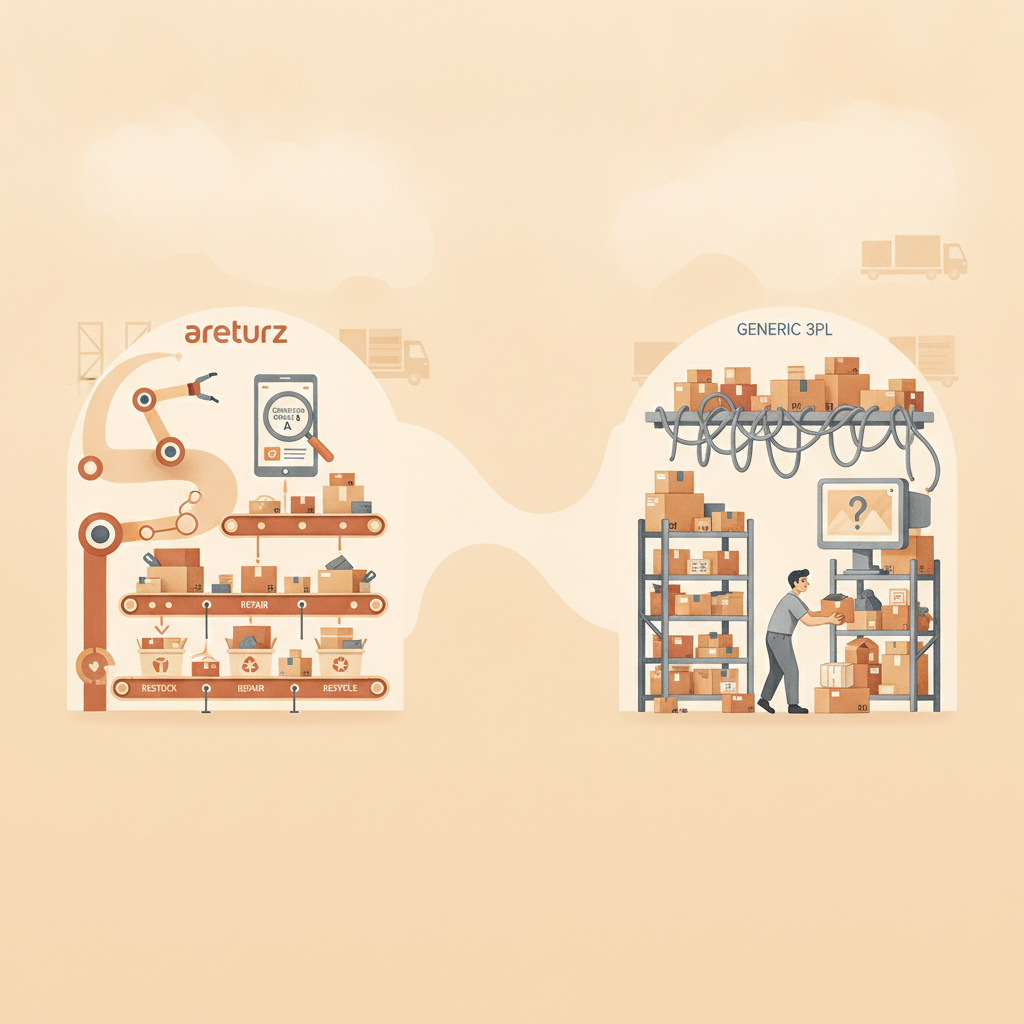
areturnz vs a Generic 3PL Returns Add-On: An Honest Comparison
A generic 3PL returns add-on and areturnz both take in returned boxes, but what happens after receiving is where the two diverge. Here is the honest, numbers-based comparison.
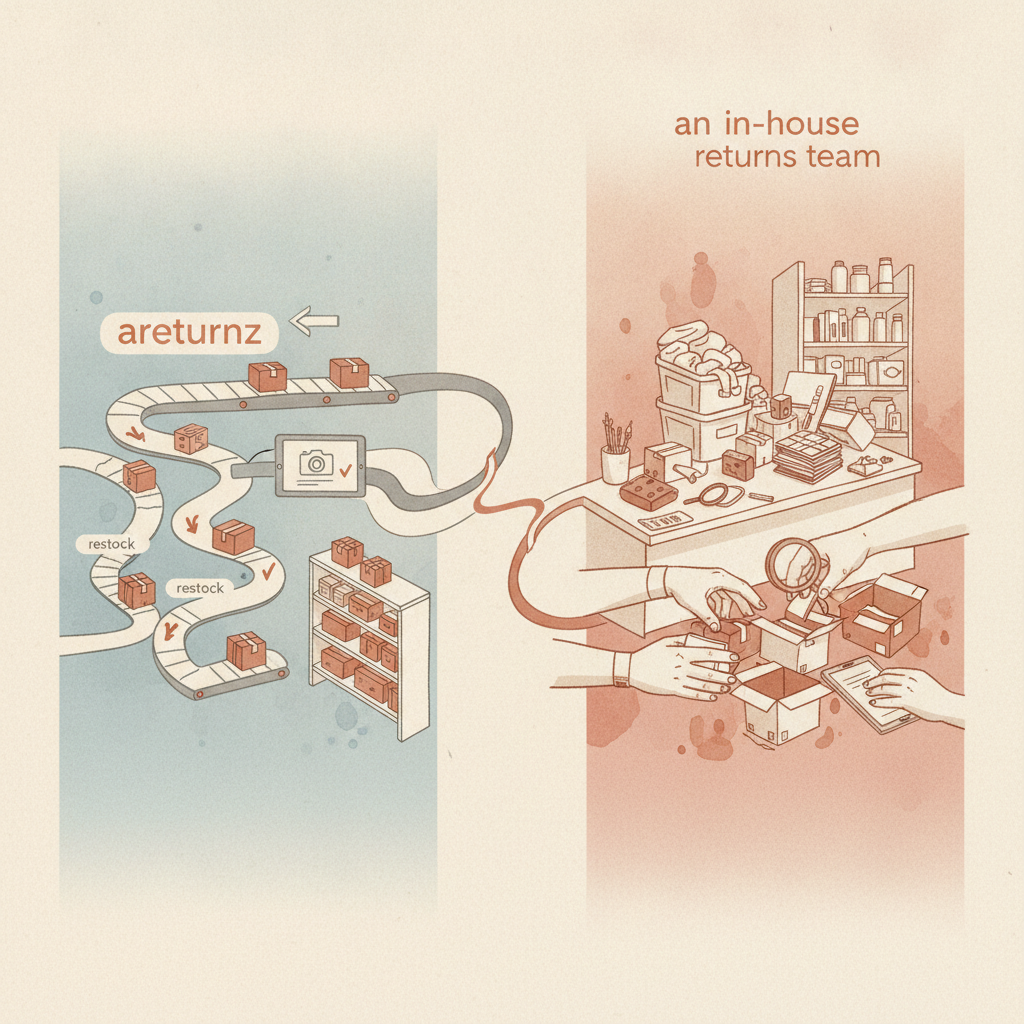
areturnz vs an in-house returns team: an honest comparison
A plain comparison of building an in-house returns operation versus routing returns through areturnz, covering cost, speed, grading accuracy, and evidence, with a table you can hand to finance.
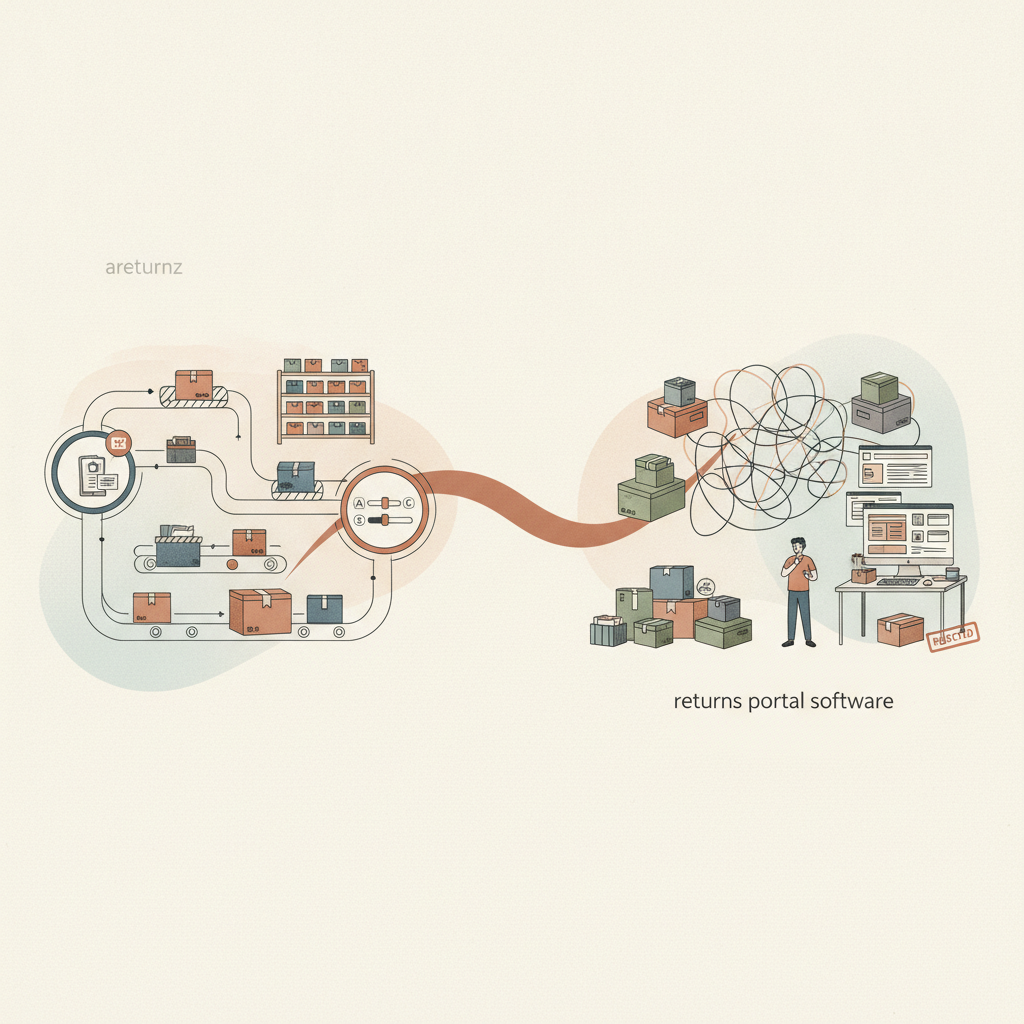
areturnz vs returns portal software: an honest comparison
Returns portal software and areturnz solve different problems. This comparison lays out, with labeled estimates, where a portal stops and where physical grading, evidence, and disposition begin.

What It Really Costs to Outsource Returns Processing
Outsourcing returns processing costs more than the quoted per-unit fee. Here is what actually shows up on the invoice, and how to judge it against in-house handling.

How to evaluate a returns processing service: a buyer's guide
A practical, numbers-based checklist for comparing returns processing services, covering evidence, grading accuracy, cycle time, disposition control, and contract terms before you sign.
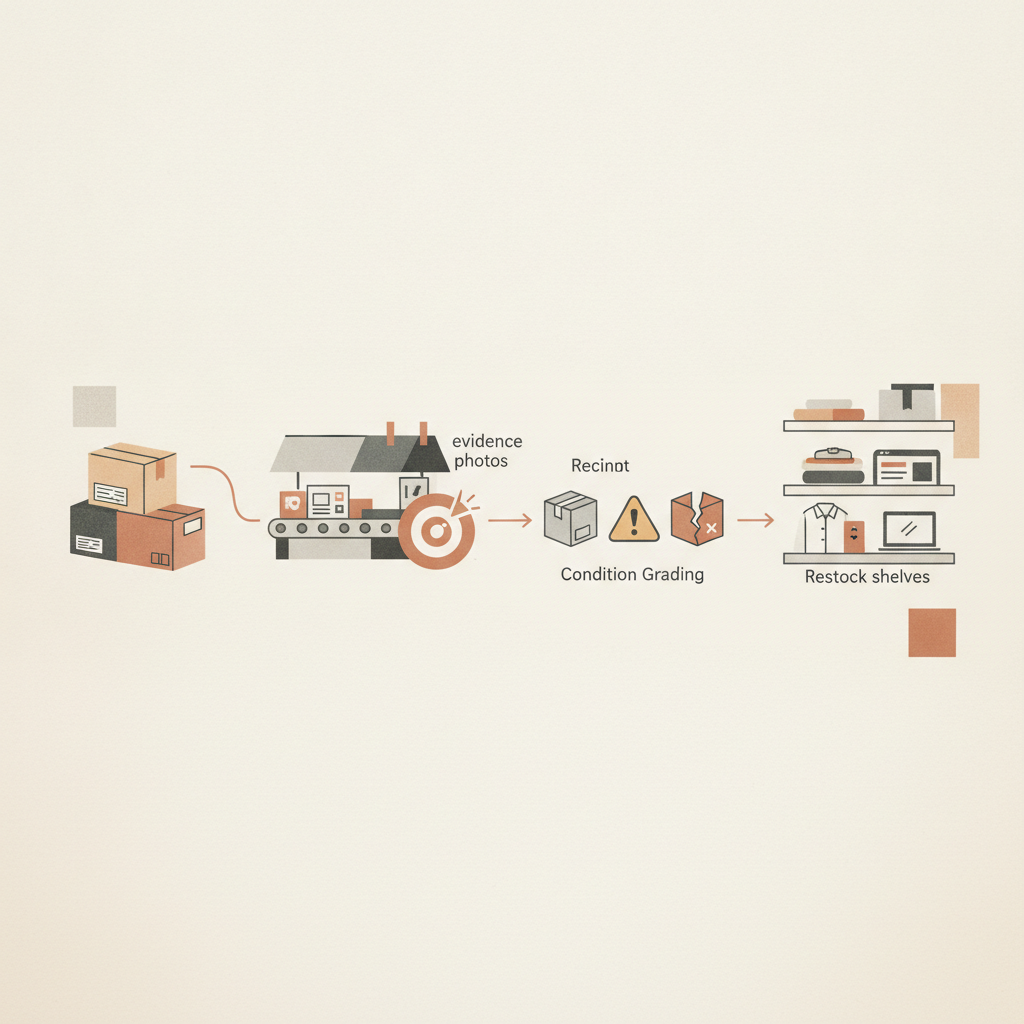
Peak Season Returns SLA: What to Promise Partners During Q4 and January
Q4 volume and the January return spike break generic SLAs. Here is what areturnz actually commits to partners during peak season, and why the numbers change on purpose.
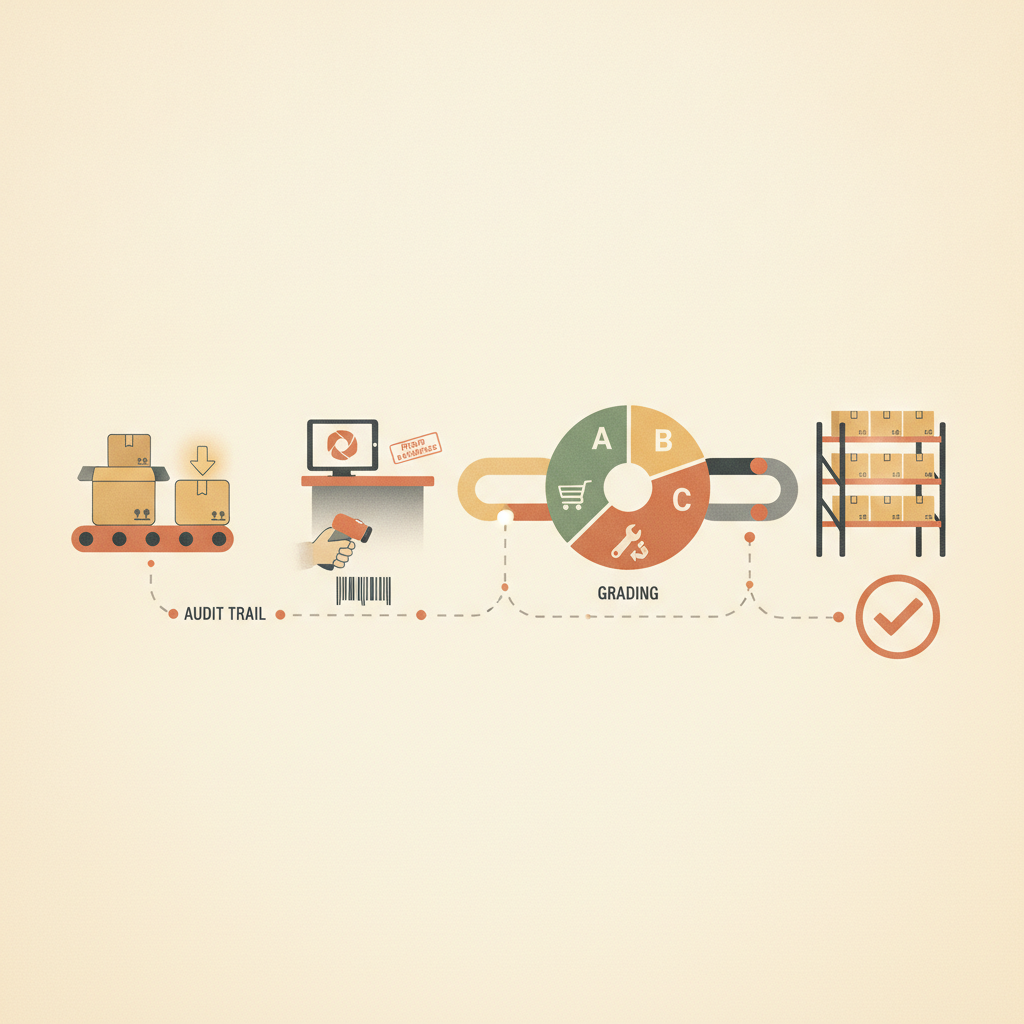
Chain of custody audit trails: proving where every returned unit went
When a returned unit's history is in question, a chain of custody audit trail is the record that answers it. Here is what a real one contains and why most returns programs cannot produce one.

Returns reserve accounting: budgeting for the returns you have not received yet
A returns reserve built on refund rate alone almost always undercounts what a business owes itself. Here is how to model the liability properly, using grading and disposition data instead of guesswork.

Building the Dispute-Ready Evidence Dossier
A dispute-ready evidence dossier is the single record that proves what a returned item actually looked like, who touched it, and why it was routed the way it was. Here is what belongs in one and how areturnz builds it automatically.

Disposition rules: turning grades into decisions
A grade is only useful if it triggers an action. Disposition rules combine the grade with item attributes to route every return to the right lane, automatically, with overrides logged.