
Emily Fletcher
Emily Fletcher is a renowned logistics expert and author, with over 15 years of experience in the industry. With a passion for optimizing supply chains and streamlining operations, Emily has helped numerous businesses achieve significant cost savings and improved efficiency. Her expertise lies in creating innovative logistics strategies tailored to the unique needs of each organization. As part of Shipixy’s Digital Marketing team, Emily provides practical insights and actionable advice to guide professionals in the logistics industry toward achieving operational excellence.
Publicaciones de Emily Fletcher

What Is a Restocking Fee? How It Works and Why Retailers Charge It
A restocking fee is the percentage a retailer withholds from a refund to offset the labor, grading, and resale cost of a returned item. Here is how the fee gets set, who charges it, and what the alternative looks like.
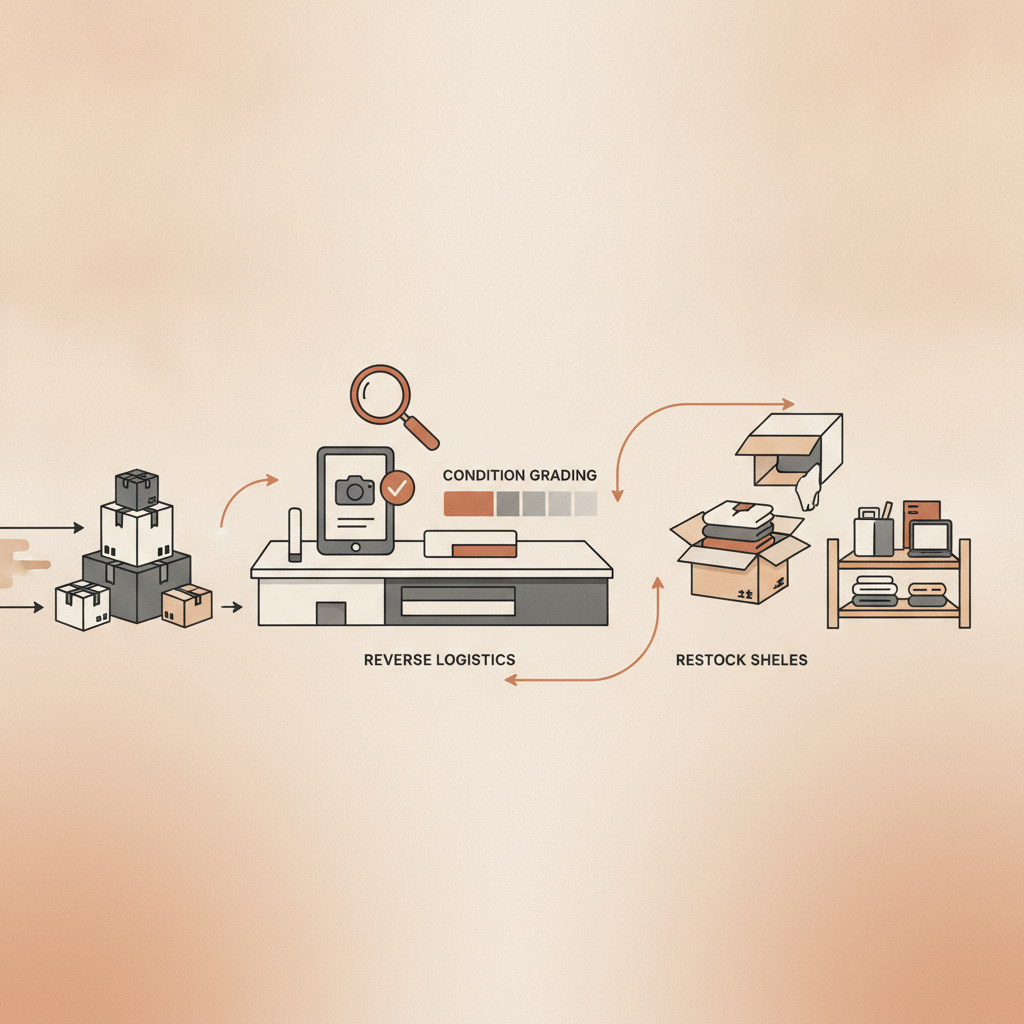
Evaluating a White-Label Returns Provider: The RFP Checklist
A tactical, scorable RFP checklist for procurement teams vetting a white-label returns provider, covering evidence proof, grading accuracy, SLA terms, data isolation, and disposition economics.
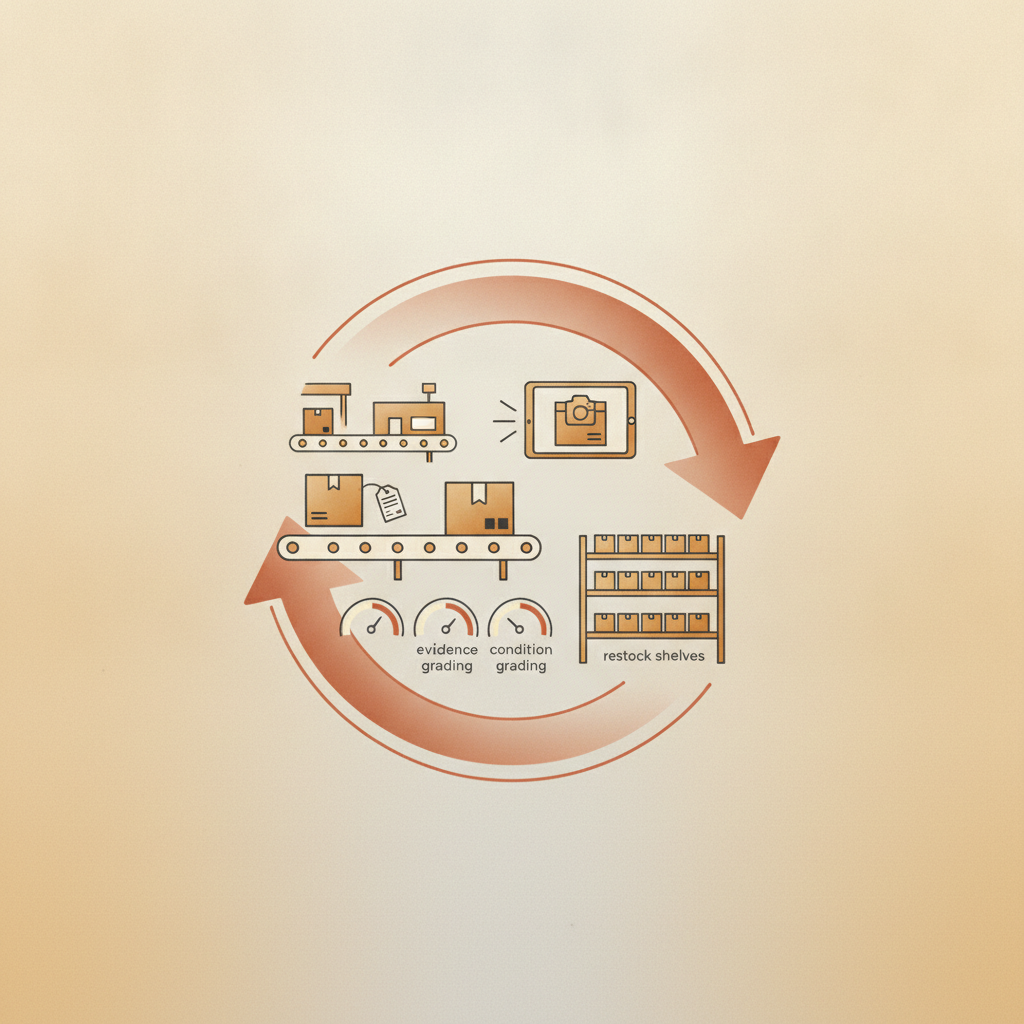
Partner Tenant Retention: The Economics of Keeping a White-Label Node Operator
Winning a tenant is the easy part. Keeping one profitable for 24 months is where the real margin lives. Here is the retention math partners should be running.
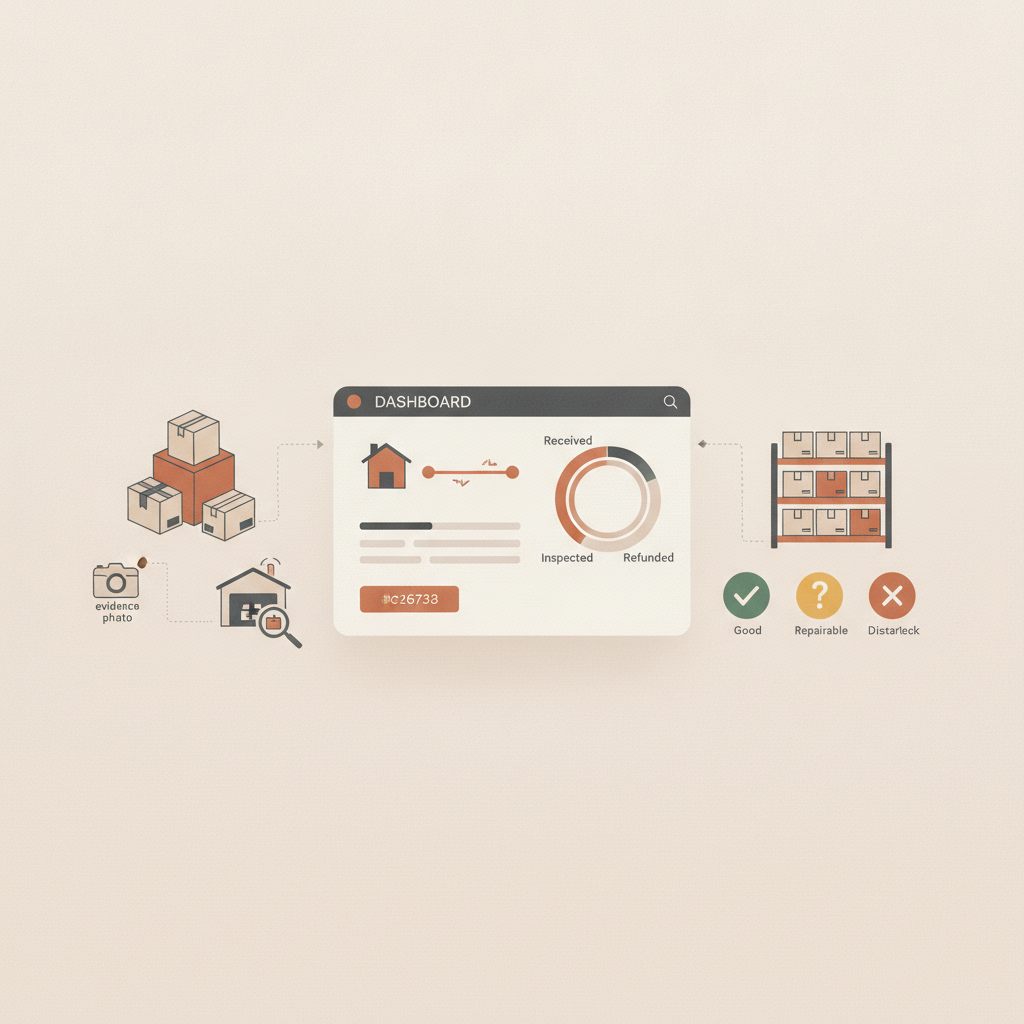
Shipped: Customer Dashboard for Returns Visibility
A new customer dashboard gives retailers and brands a live, per-tenant view of every return: status, grade, evidence, and disposition, without waiting on a support ticket or a spreadsheet export.
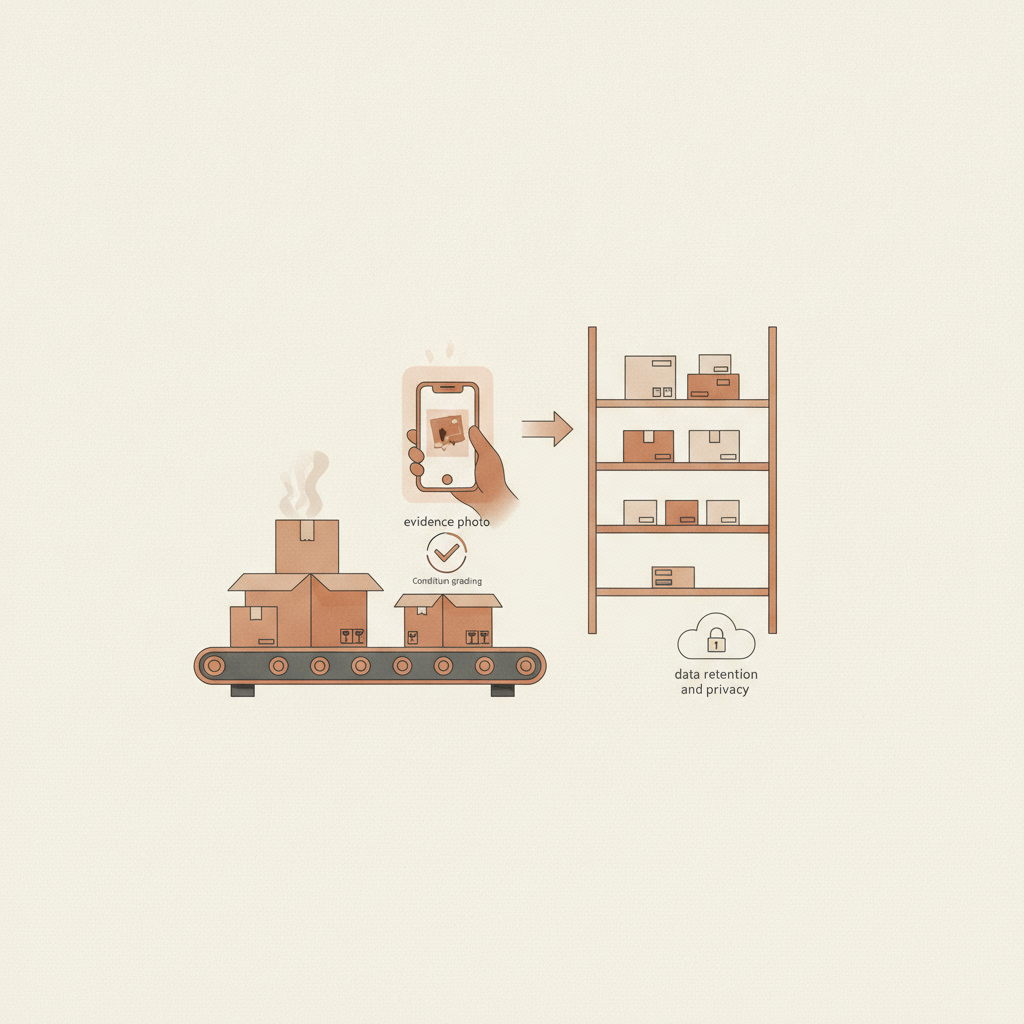
Returns Evidence Data Retention and Privacy: How Long Should You Keep Return Photos
Return photos prove condition and close disputes, but they also carry customer data. Here is how to set a retention schedule that satisfies auditors, platforms, and privacy law without turning your evidence archive into a liability.
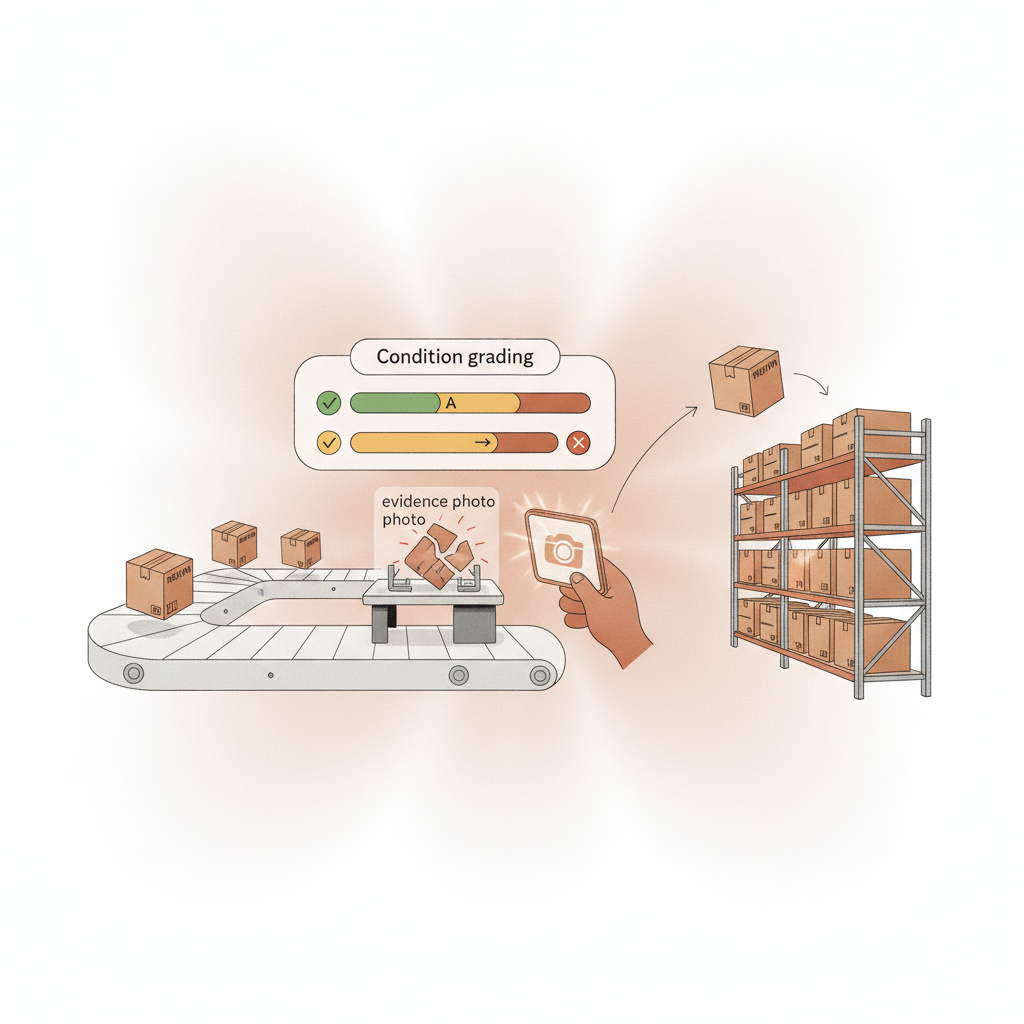
Return reason codes and margin leakage: what the codes actually tell you
Most reason codes are self-reported and wrong more often than teams admit. Here is how to read them against actual grading data to find where margin is really leaking.
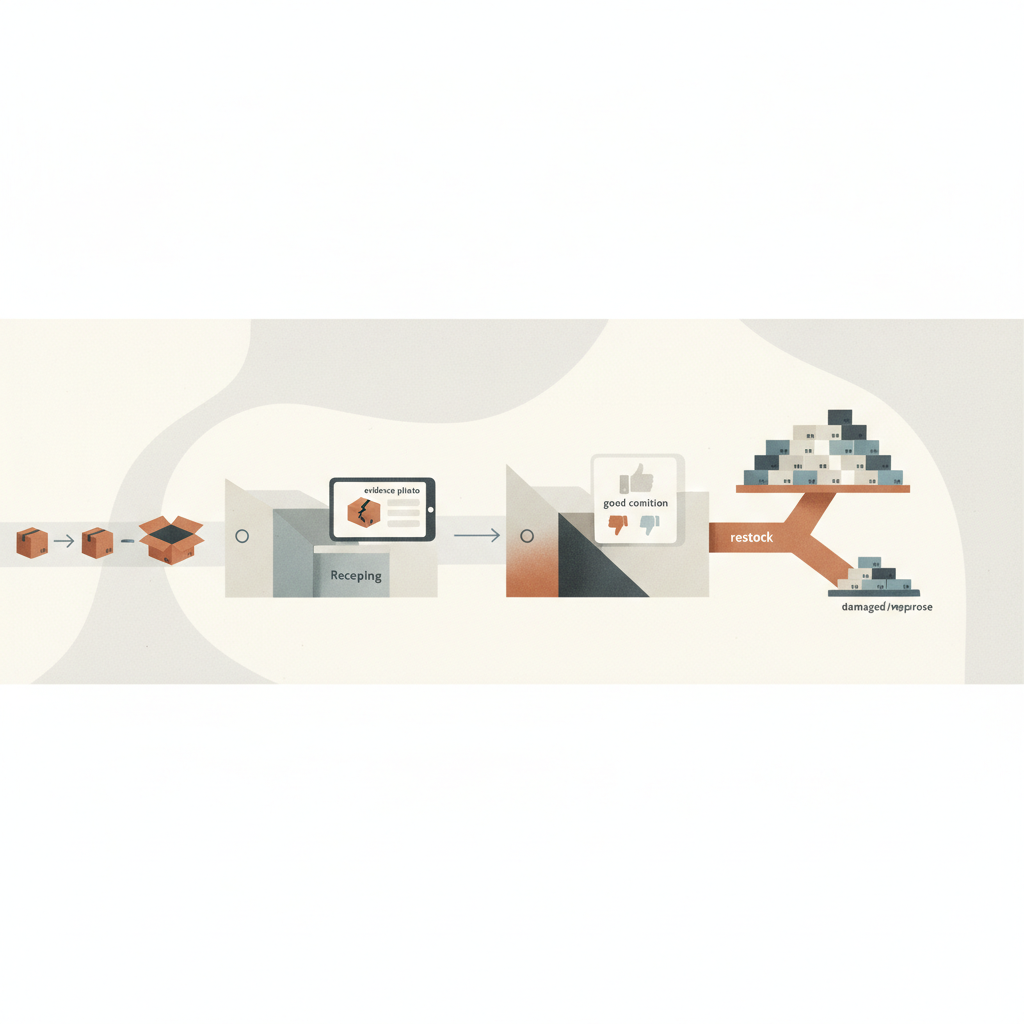
3PL Returns Add-on vs a Dedicated Returns Network: What Actually Changes
A 3PL bolts returns onto its outbound operation. A dedicated returns network builds the entire workflow around grading, evidence, and disposition speed. Here is what changes when you switch.
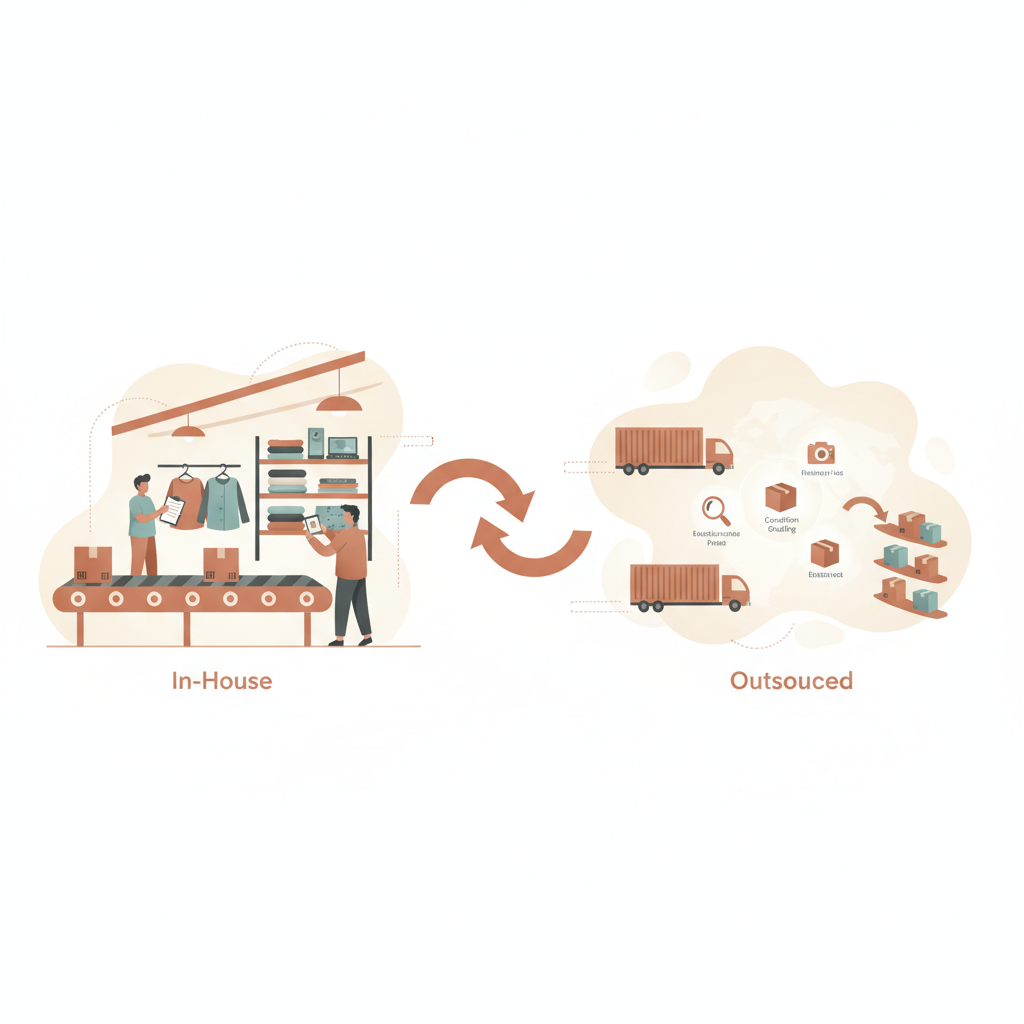
In-House vs Outsourced Returns Processing: The Real Tradeoffs
In-house returns teams keep control close but rarely keep up with volume. Outsourced networks like areturnz add speed and evidence but require trust. Here is the real cost and risk math on both sides.

False-positive handling: what happens when AI grading gets it wrong
AI grading is fast, but no model is perfect. Here is exactly how areturnz catches a wrong grade before it becomes a wrong disposition, and what the 99.6% match rate really measures.
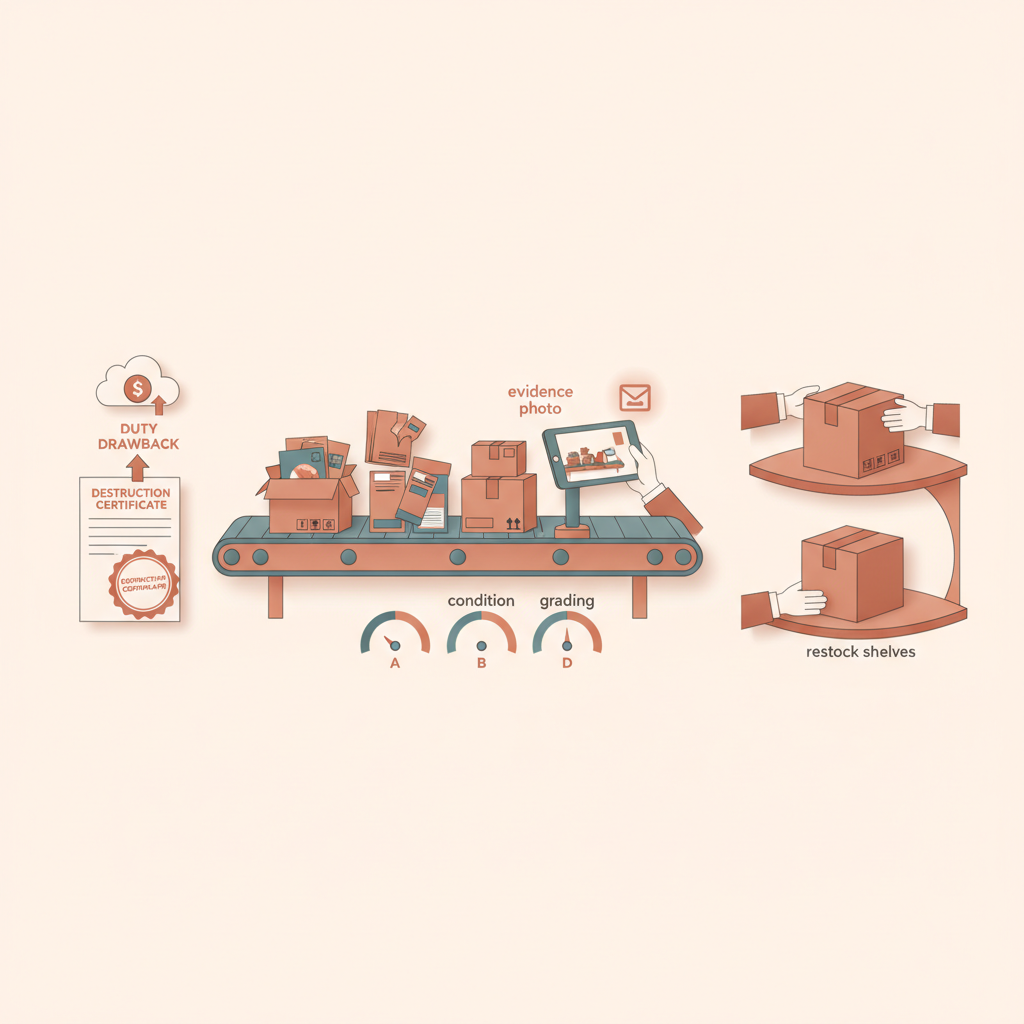
Destruction Certificates and Duty Drawback: Closing the Compliance Loop
Duty drawback claims live or die on documentation. Here is how destruction certificates, disposition records, and photo evidence work together to close the compliance loop on returned goods.

Markdown Decay vs Restock Speed: The Clock That Erodes Margin
Every day a returned item sits ungraded, it loses resale value. This is the math behind markdown decay, why restock speed is the only real countermeasure, and how a 48 hour median cycle changes the equation.

Returns as a P&L Line: Accounting for the Hidden Cost Center
Most finance teams bury returns inside COGS and call it done. That hides the real damage. Here is how to pull returns out as their own P&L line, with the buckets, the math, and the recovery numbers to check it against.

Introducing photo evidence on every parcel
Every return we receive is now photographed at the station: outer label, opened parcel, item, and defect, attached to the return and available via the API.