
Eric Yin
Eric Yin is a seasoned supply chain strategist and author, renowned for his expertise in procurement and supplier management. With a career spanning various industries, Eric has developed a deep understanding of the intricacies of supply chain dynamics. Eric is an editor for Shipixy Blog where he also shares his insights on strategic sourcing, supplier relationship management, risk mitigation, and sustainable procurement practices. Eric's practical guidance equips professionals in the logistics industry with the tools needed to drive value and innovation throughout the supply chain.
Publicaciones de Eric Yin
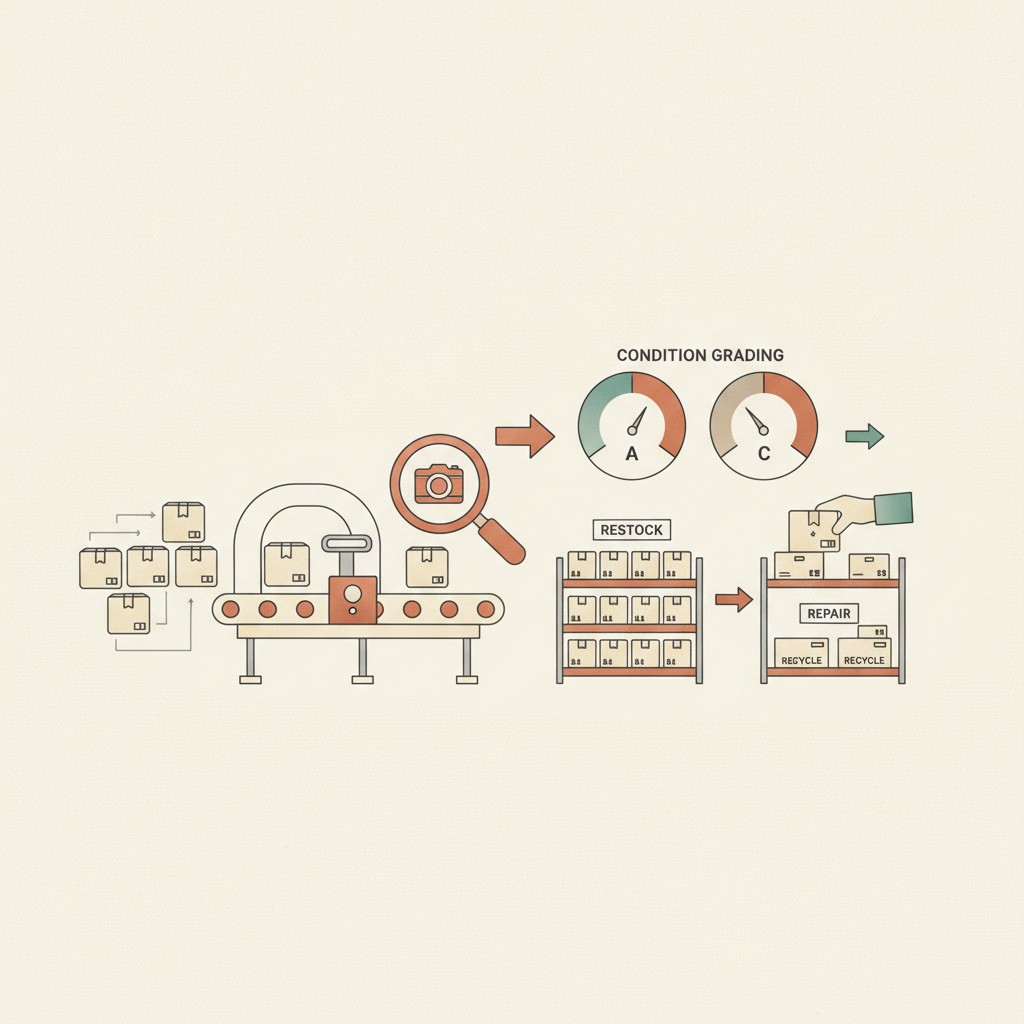
Returns management glossary: every returns term defined in one place
A single reference for every term used in returns processing, from RMA and restocking fee to ABCR grading, disposition, and chain of custody, with definitions areturnz actually uses in production.

Open Box vs Refurbished vs Used: What the Condition Labels Actually Mean
Open box, refurbished, and used sound interchangeable but they describe different histories, different risk levels, and different resale value. Here is what each label actually means and how grading evidence backs it up.
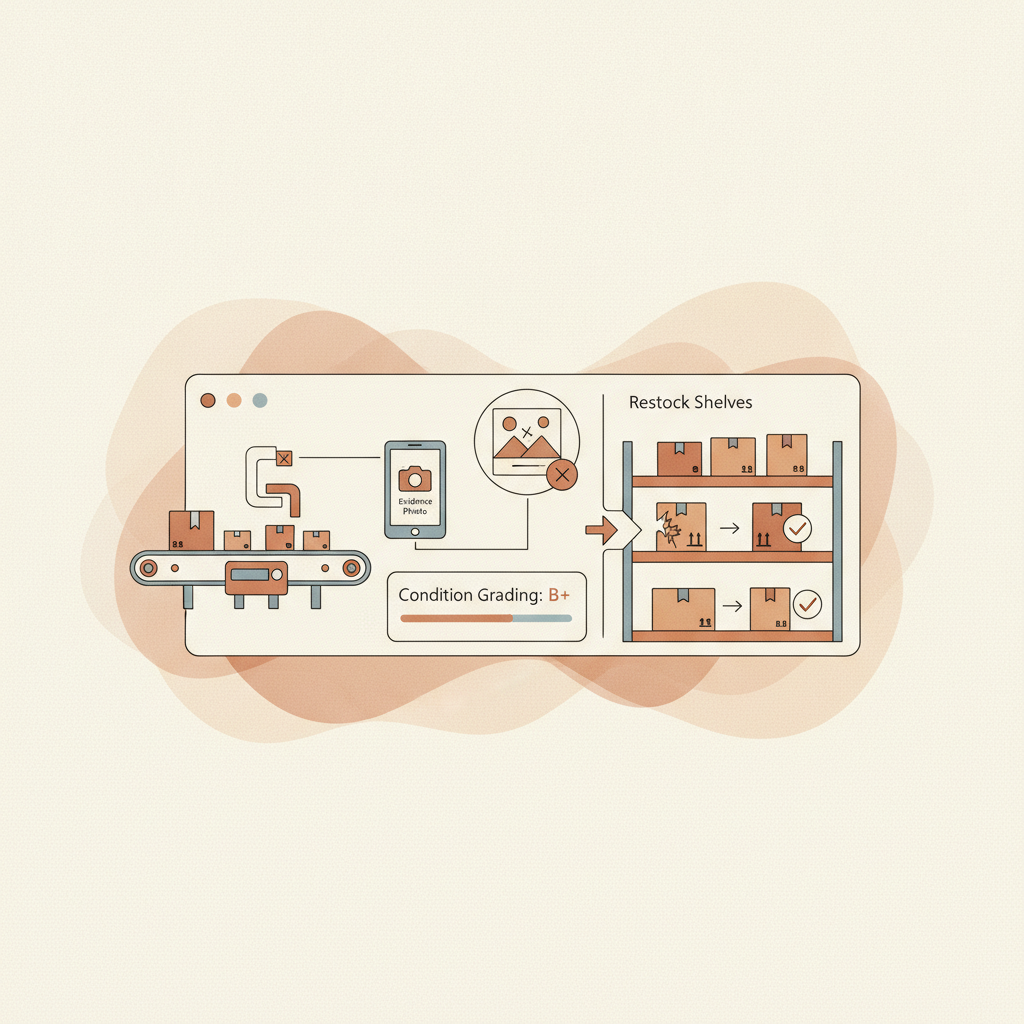
Shipped: admin dashboard for node operators
areturnz shipped a dedicated admin dashboard for node operators, giving each tenant a live view of receiving volume, grading accuracy, and disposition mix without breaking multi-tenant isolation.
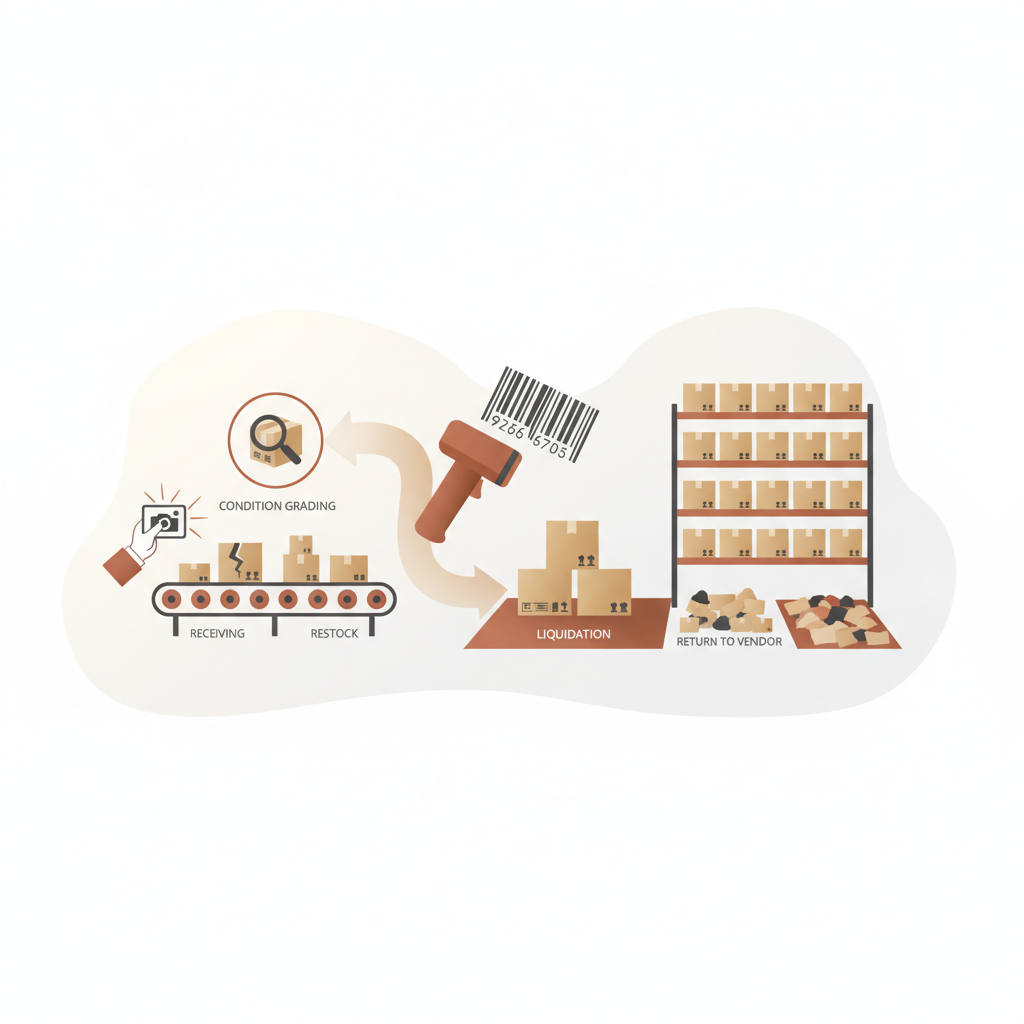
Return to vendor vs liquidation: choosing the right disposition path
Return to vendor and liquidation solve different problems. This breaks down the real cost, speed, and recovery tradeoffs so disposition rules route each return correctly instead of by habit.

Multi-seller tenant architecture: white-label returns for marketplaces
Marketplaces do not run one returns program, they run hundreds of them stacked on top of each other. Here is how multi-seller tenant architecture keeps every seller's data, rules, and evidence separate while running on one owned network.

Node facility compliance checklist: what a new returns node must meet before going live
Before a new returns node opens for volume, it has to clear security, evidence, grading, integration, and SLA gates. Here is the checklist areturnz uses to decide a facility is ready to go live.
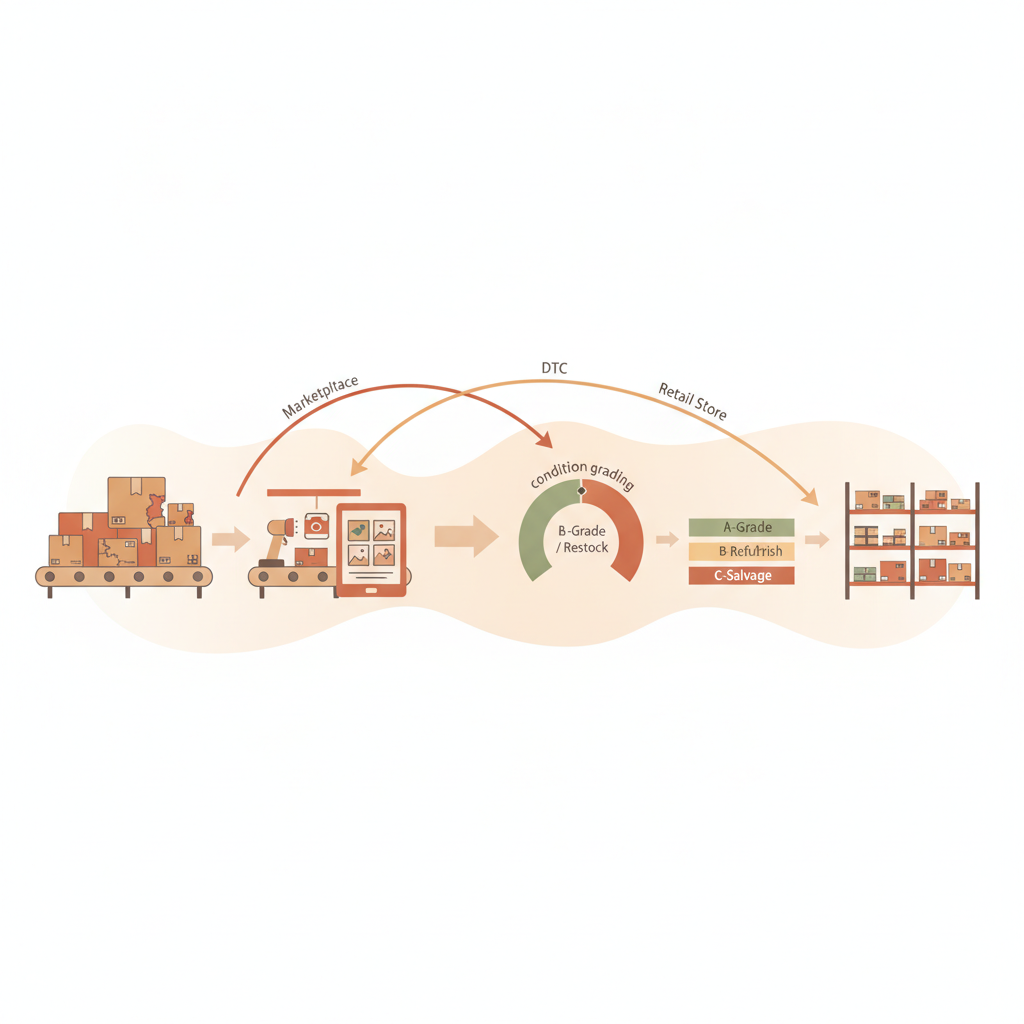
Returns Benchmarking by Channel: Marketplace vs DTC vs Retail Store Returns
Marketplace, DTC, and retail store returns do not behave the same way. This guide benchmarks return rates, reasons, fraud exposure, and disposition speed across channels, and shows how evidence and AI grading make the comparison reliable.

Shipped: Split AI Capabilities Into Independent Grading Modules
Condition grading, content verification, and quantity verification used to run as one bundled AI pass. Now each runs as its own module with its own confidence score, its own webhook, and its own on/off switch per tenant.
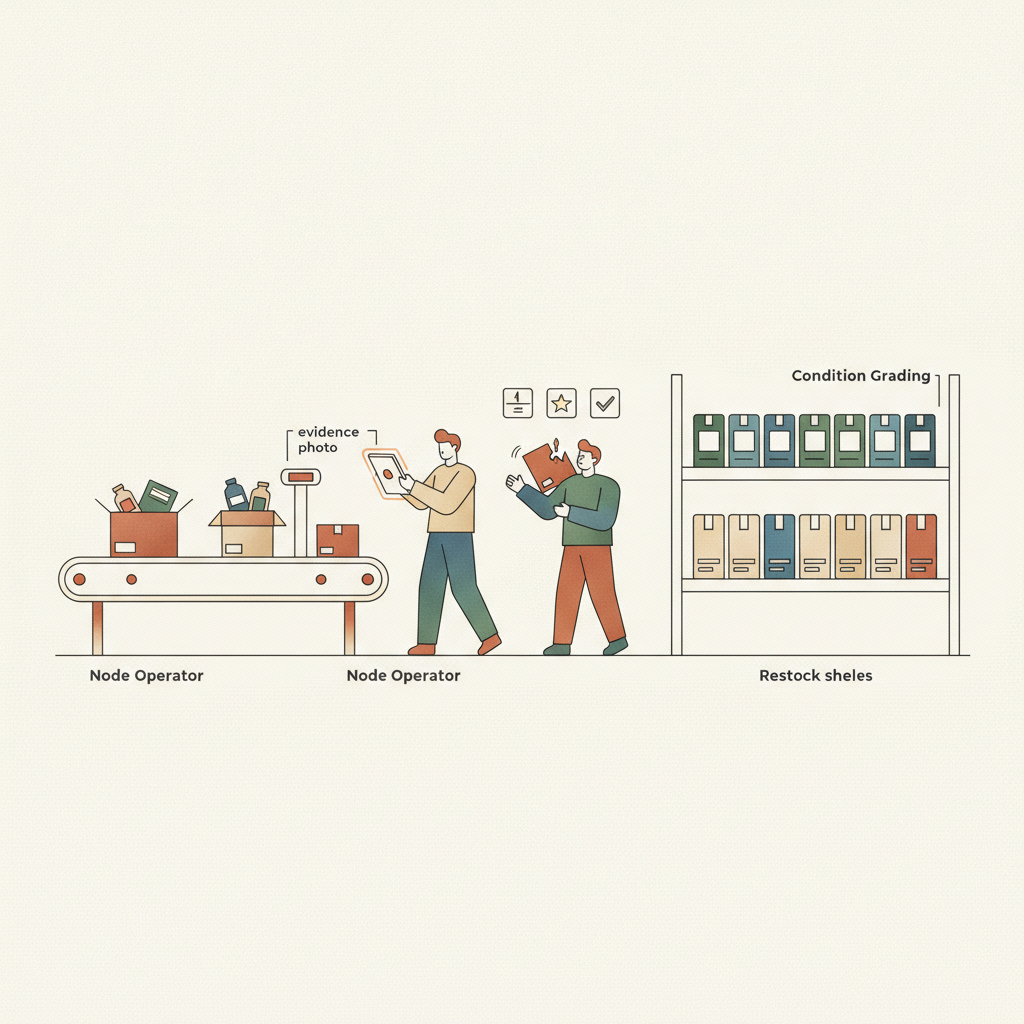
Onboarding a Brand Tenant: The Node Operator Guide
A practical, phase-by-phase guide for node operators bringing a new brand tenant onto the areturnz network, from SKU mapping to first-parcel go-live.

The real cost of a chargeback for returns-heavy sellers
A chargeback is never just the disputed amount. Between fees, lost inventory, and reserve holds, returns-heavy sellers often pay three to five times the transaction value. Here is where that cost hides and how evidence closes the gap.

Reselling returns under your own brand
For 3PLs and platforms, returns are a layer you can resell. Here is how to add returns processing to your offering without standing up a warehouse.

Killing the "item not as described" dispute
The single most common returns dispute is also the most preventable. Content verification at receiving catches swaps and mismatches before they become chargebacks.