Historias desde el piso de devoluciones
Notas de operadores sobre la economía de las devoluciones, la clasificación con IA, las cadenas de evidencia y el manual para partners.
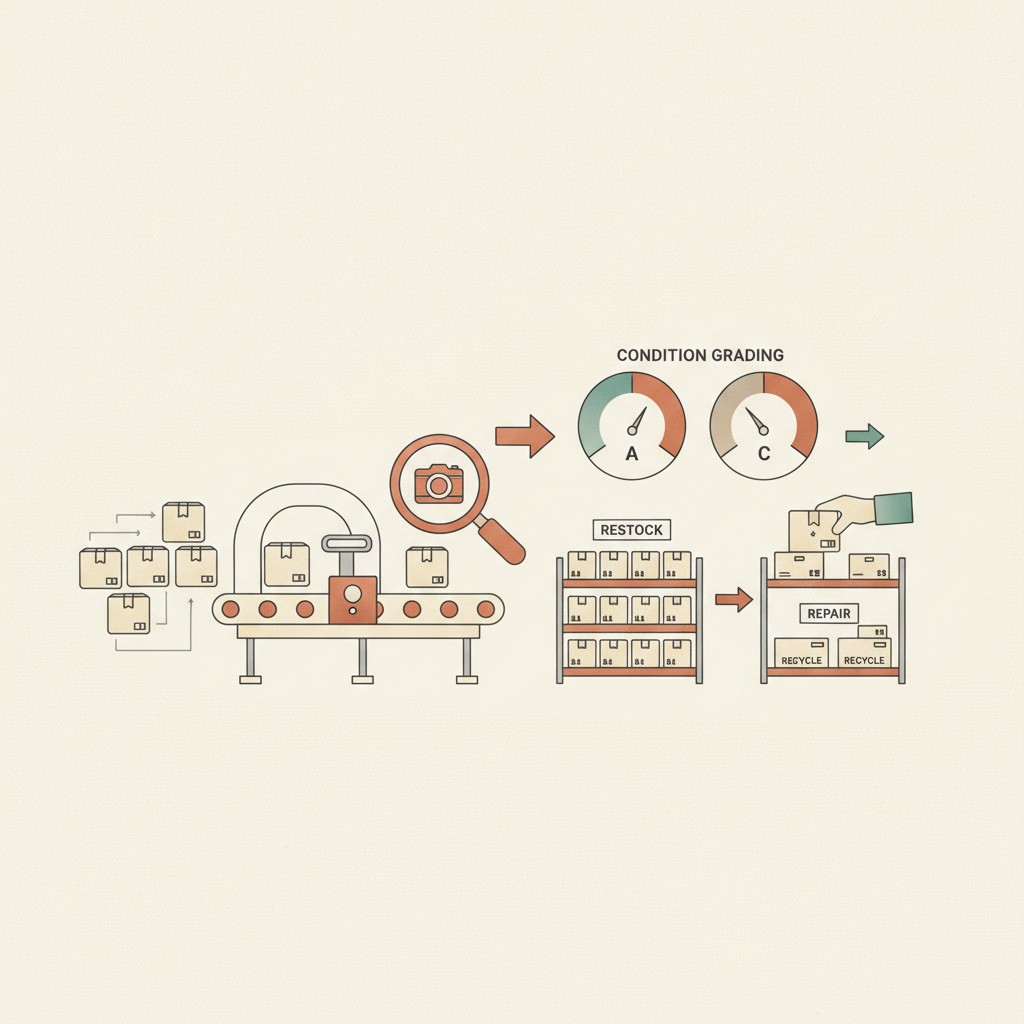
Returns management glossary: every returns term defined in one place
A single reference for every term used in returns processing, from RMA and restocking fee to ABCR grading, disposition, and chain of custody, with definitions areturnz actually uses in production.
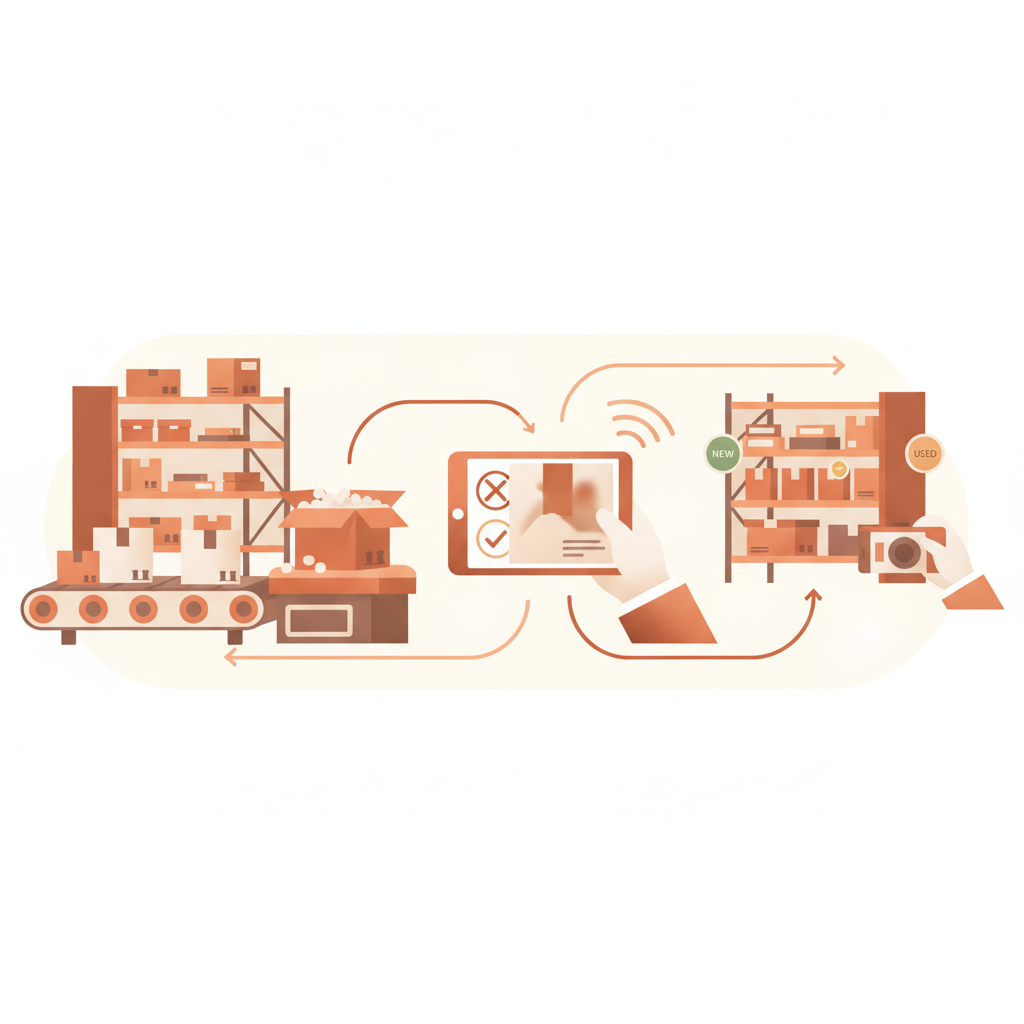
What Is an RMA? Return Merchandise Authorization Explained
An RMA, or return merchandise authorization, is the number and approval a retailer issues before accepting a returned item. Here is how the process works and what happens after the RMA is issued.

Open Box vs Refurbished vs Used: What the Condition Labels Actually Mean
Open box, refurbished, and used sound interchangeable but they describe different histories, different risk levels, and different resale value. Here is what each label actually means and how grading evidence backs it up.

What Is a Restocking Fee? How It Works and Why Retailers Charge It
A restocking fee is the percentage a retailer withholds from a refund to offset the labor, grading, and resale cost of a returned item. Here is how the fee gets set, who charges it, and what the alternative looks like.
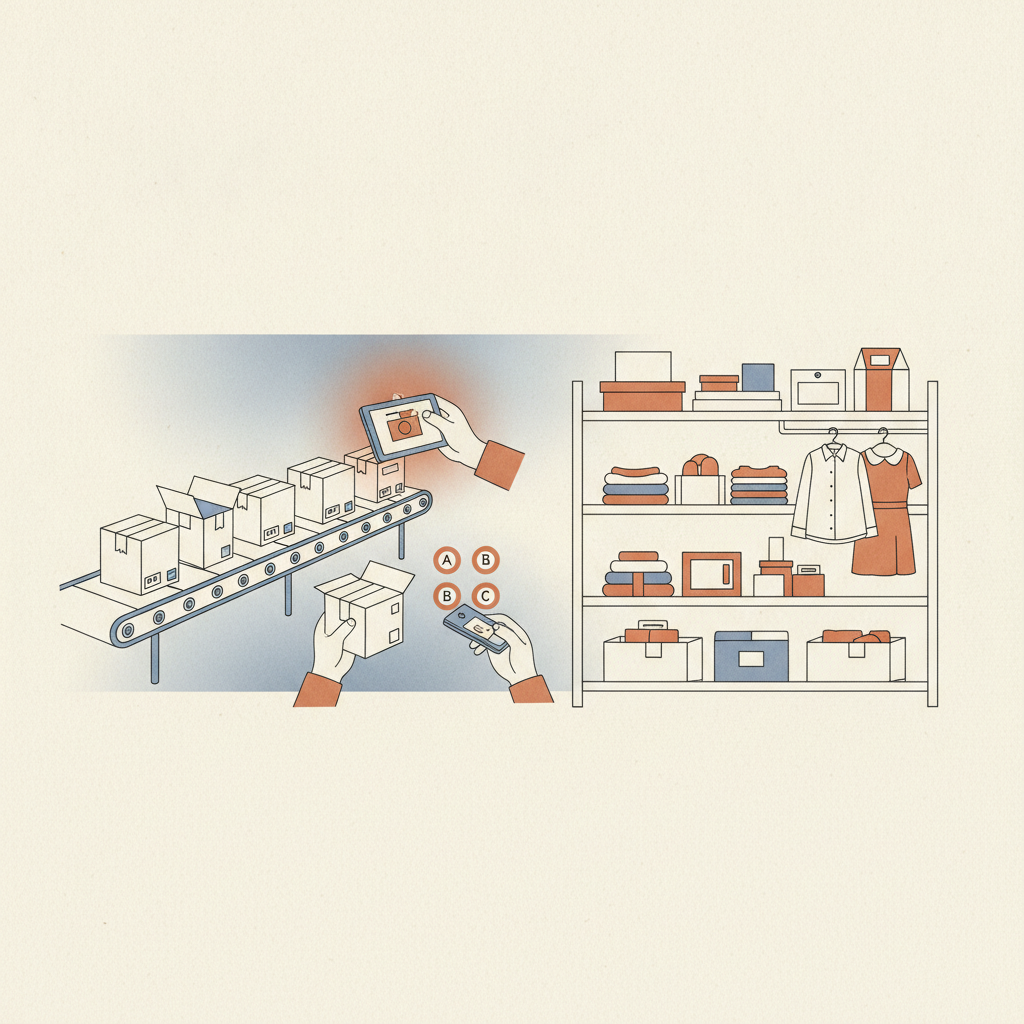
Reverse Logistics Companies: The Provider Types and How They Differ
Not all reverse logistics companies do the same job. Here is how portal software, carrier add-ons, generic 3PLs, liquidators, and owned processing networks actually differ.

Grading model drift: how areturnz keeps the 99.6 percent match rate from decaying
AI grading models do not stay accurate by default. Here is how areturnz watches for drift in the A/B/C/R system and retrains before the 99.6% match rate slips.
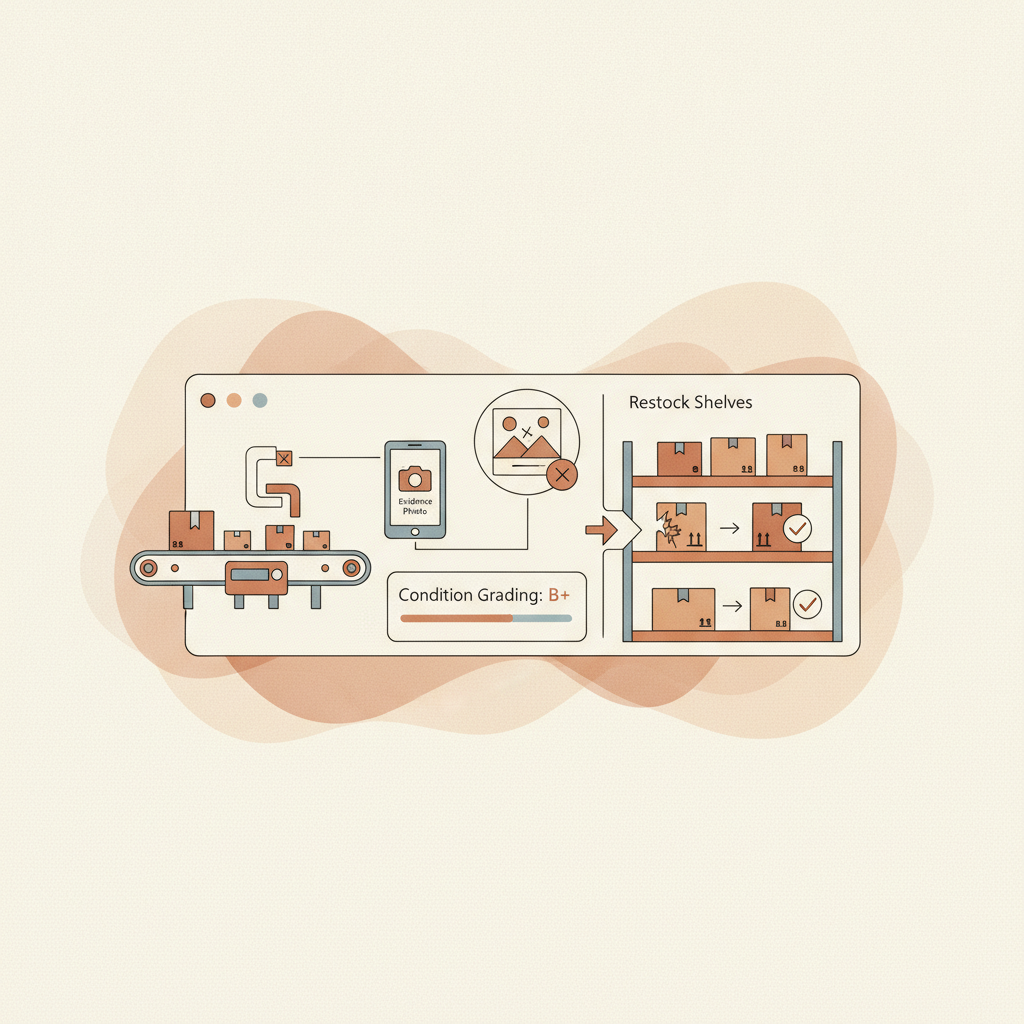
Shipped: admin dashboard for node operators
areturnz shipped a dedicated admin dashboard for node operators, giving each tenant a live view of receiving volume, grading accuracy, and disposition mix without breaking multi-tenant isolation.

Grading Multi-SKU and Bundled Returns: How ABCR Handles Compound Items
Bundles and multi-SKU sets break single-item grading logic. Here is how ABCR scores each component, rolls up a confidence score, and routes a disposition for compound returns.
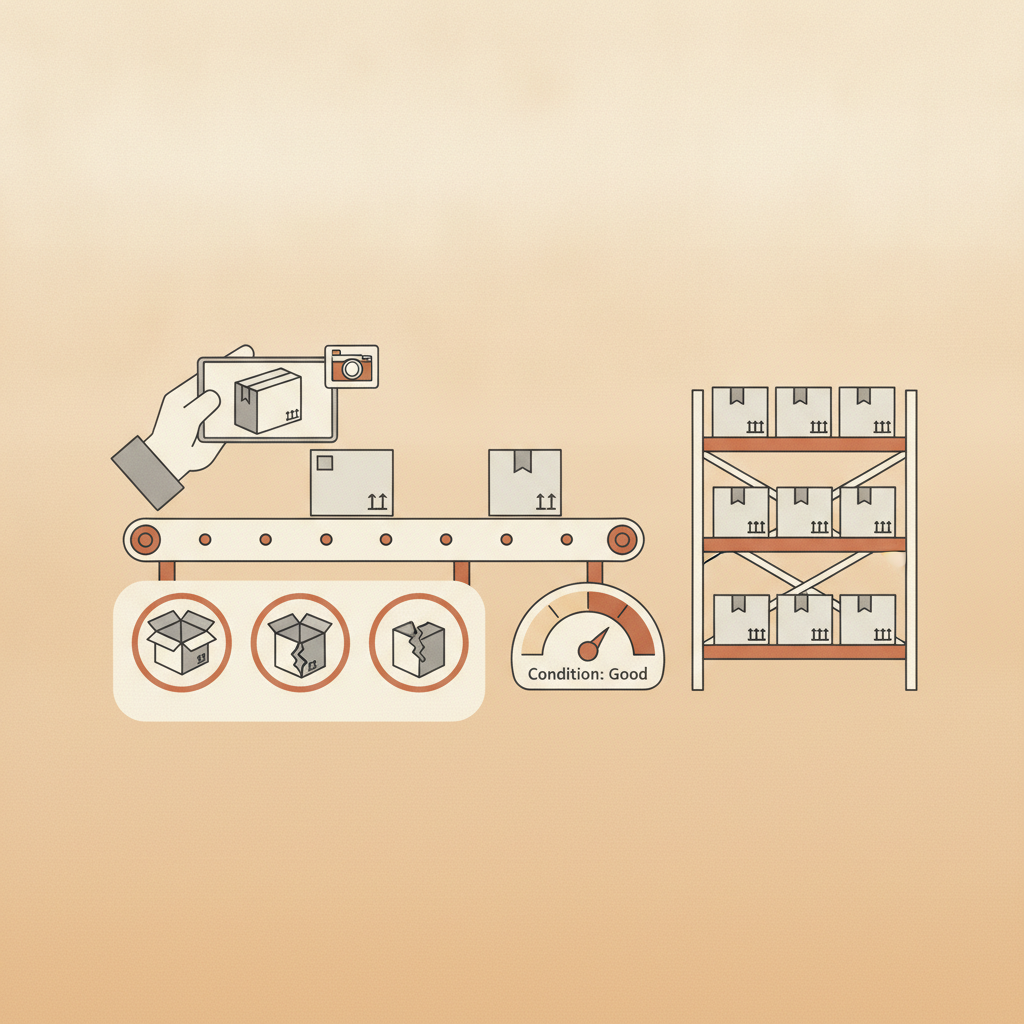
Shipped: transactional email delivery via SES
areturnz now delivers disposition and status updates by transactional email through Amazon SES, backing up webhooks with a channel that lands in an inbox even when an endpoint is down.
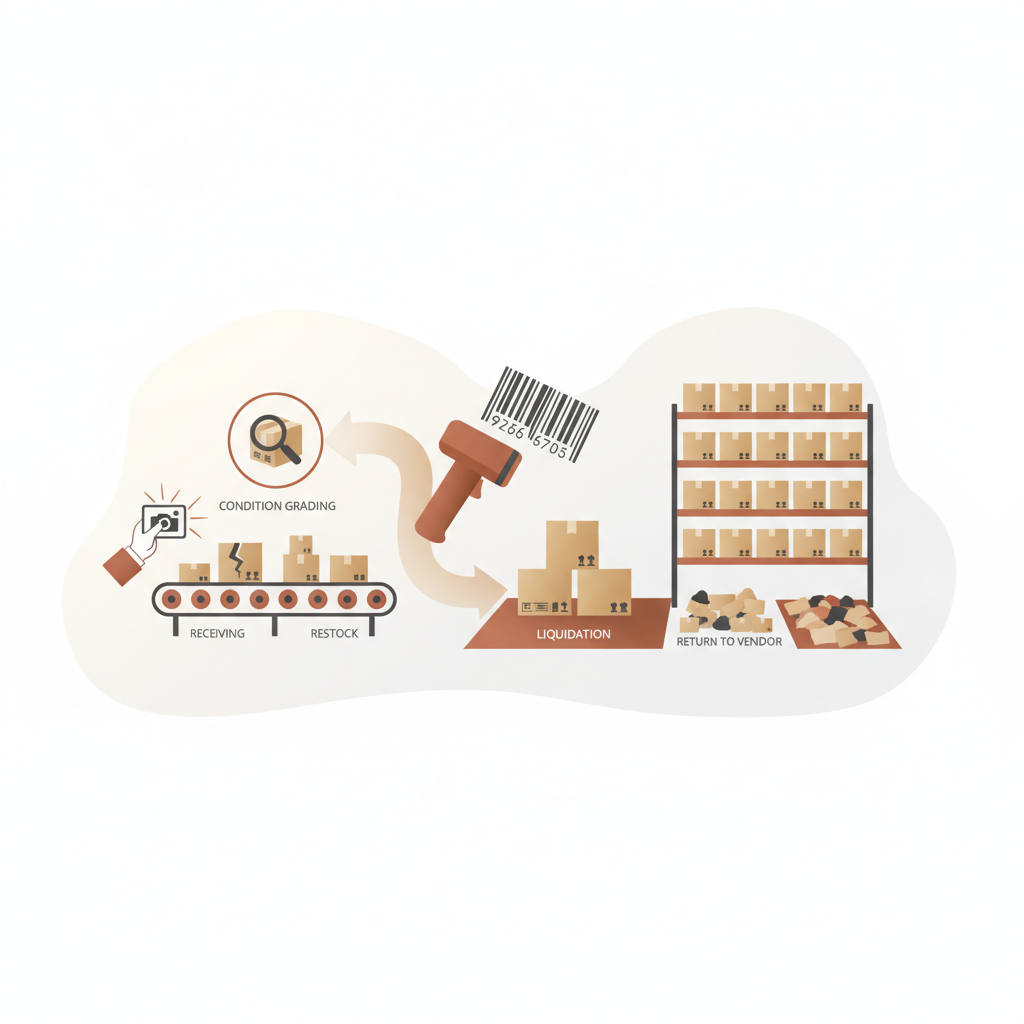
Return to vendor vs liquidation: choosing the right disposition path
Return to vendor and liquidation solve different problems. This breaks down the real cost, speed, and recovery tradeoffs so disposition rules route each return correctly instead of by habit.
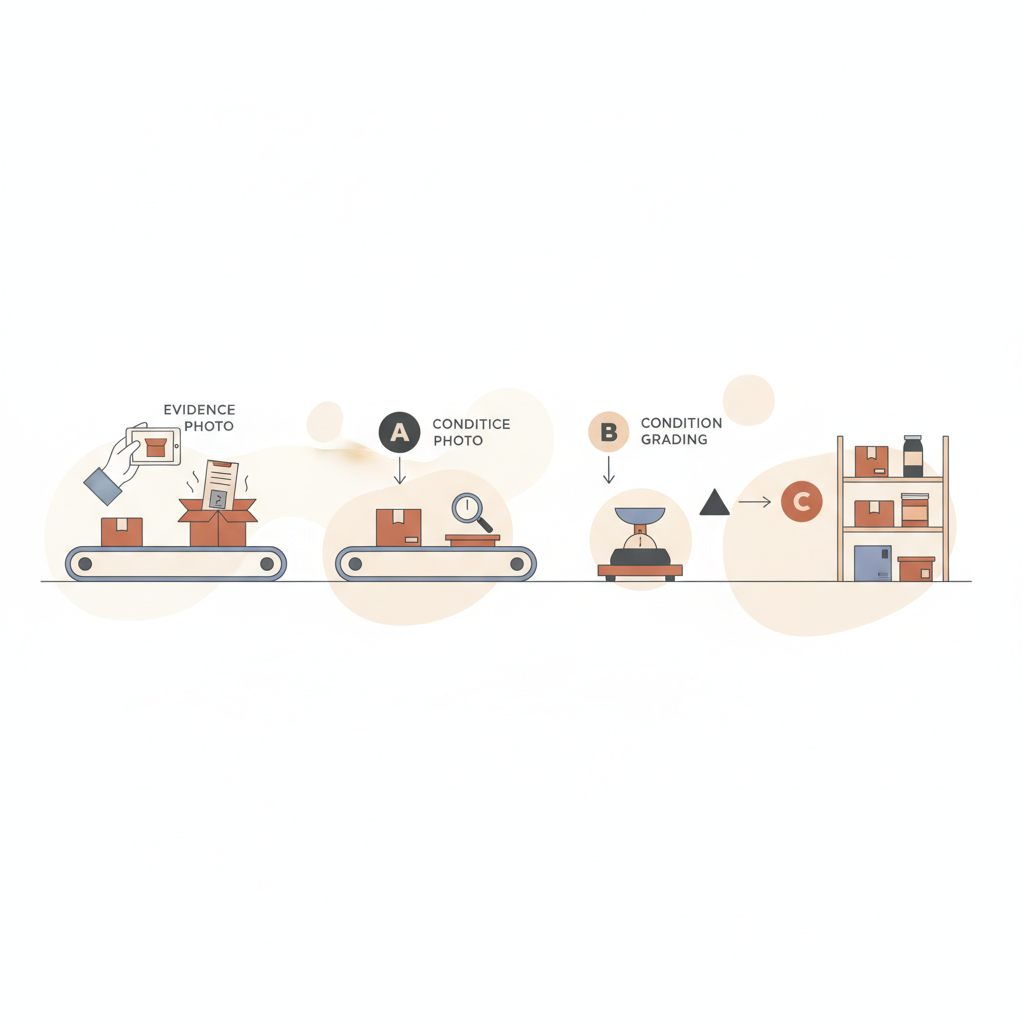
Evidence for Warranty and Manufacturer Claims: Beyond the Insurance Use Case
Warranty claims and manufacturer chargebacks need a different evidence trail than insurance disputes. Here is what OEMs actually require and how areturnz's grading and chain of custody deliver it.
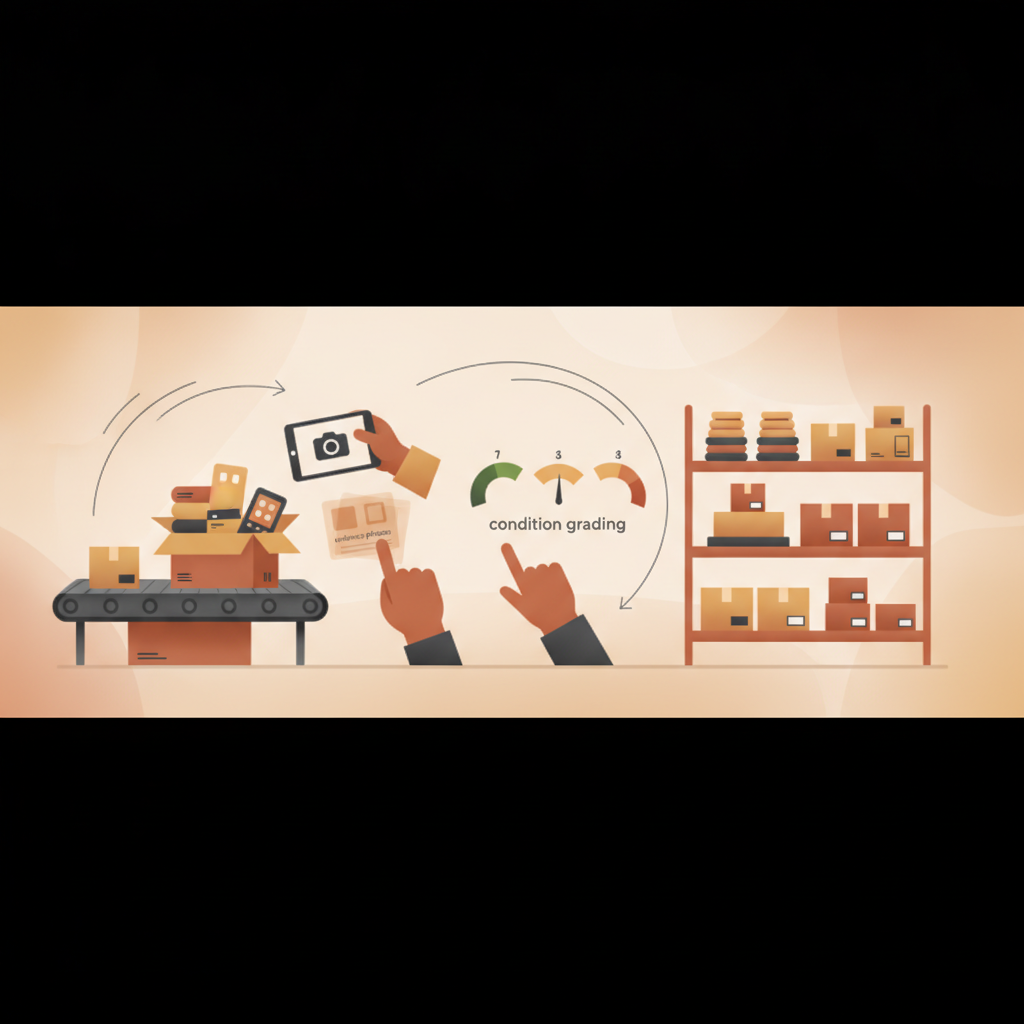
Evidence Bundles for B2B and Wholesale Returns
B2B and wholesale returns involve pallets, purchase orders, and vendor deduction disputes that consumer-style returns evidence was never built for. Here is what a bundle needs to hold up in a chargeback fight.