Todos los artículos de Returns Economics
The numbers behind reverse logistics: cost, restock velocity, and margin recovery.
Empieza aquíCost of Returns Processing: The Complete Returns Economics Guide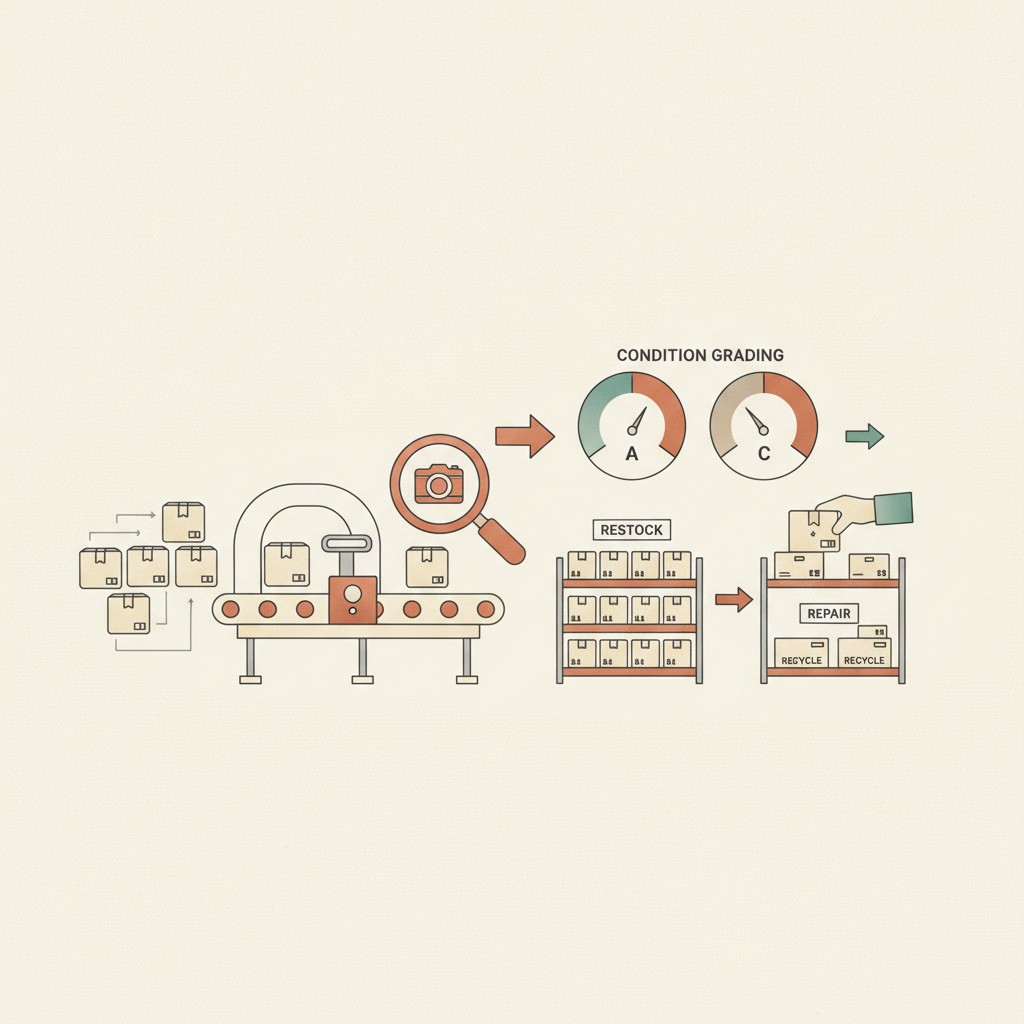
Returns management glossary: every returns term defined in one place
A single reference for every term used in returns processing, from RMA and restocking fee to ABCR grading, disposition, and chain of custody, with definitions areturnz actually uses in production.
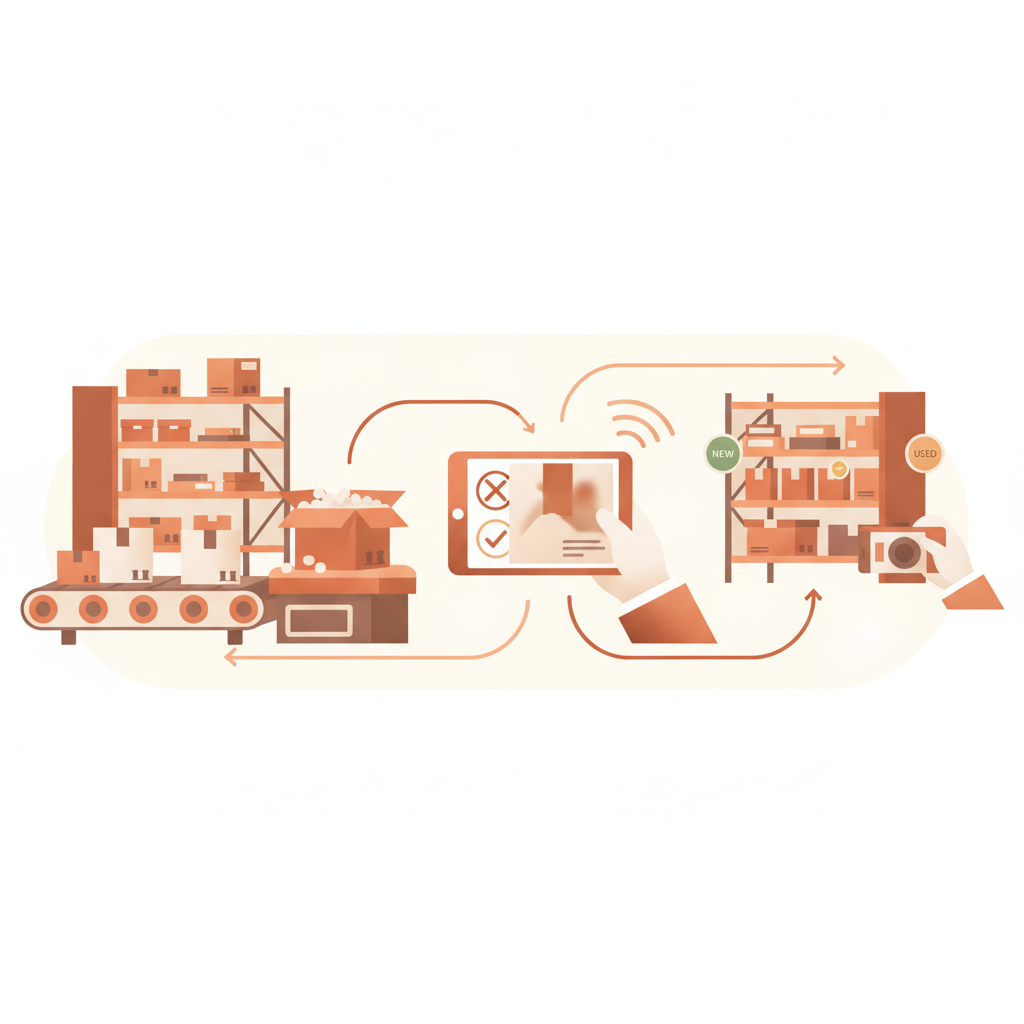
What Is an RMA? Return Merchandise Authorization Explained
An RMA, or return merchandise authorization, is the number and approval a retailer issues before accepting a returned item. Here is how the process works and what happens after the RMA is issued.

What Is a Restocking Fee? How It Works and Why Retailers Charge It
A restocking fee is the percentage a retailer withholds from a refund to offset the labor, grading, and resale cost of a returned item. Here is how the fee gets set, who charges it, and what the alternative looks like.
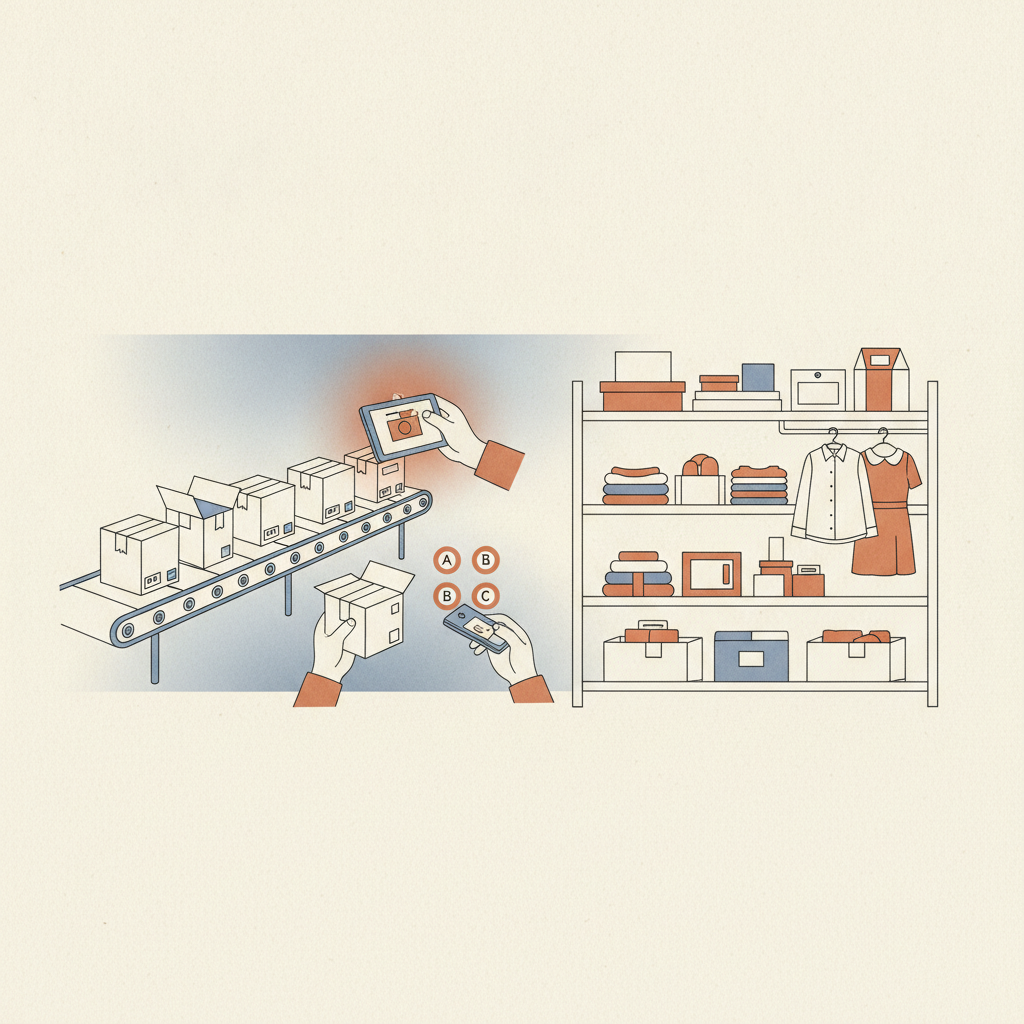
Reverse Logistics Companies: The Provider Types and How They Differ
Not all reverse logistics companies do the same job. Here is how portal software, carrier add-ons, generic 3PLs, liquidators, and owned processing networks actually differ.
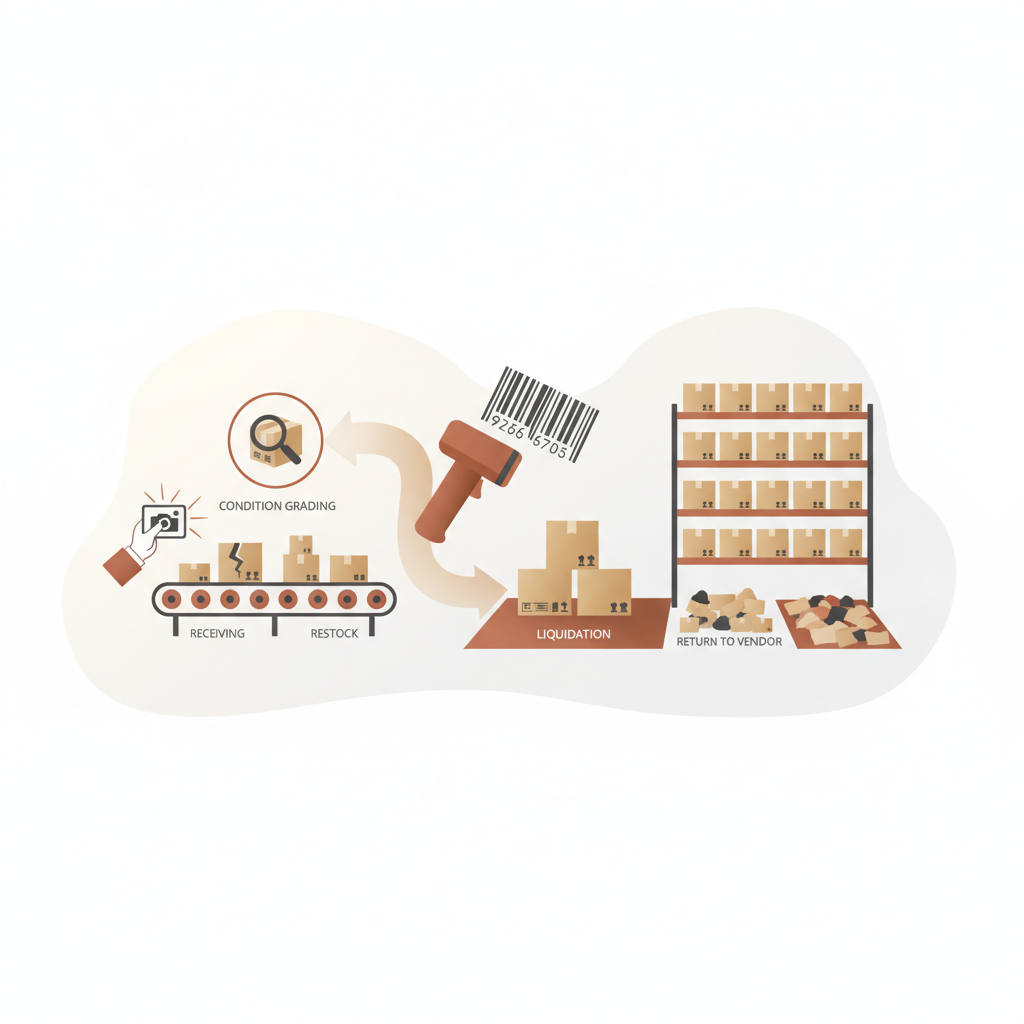
Return to vendor vs liquidation: choosing the right disposition path
Return to vendor and liquidation solve different problems. This breaks down the real cost, speed, and recovery tradeoffs so disposition rules route each return correctly instead of by habit.
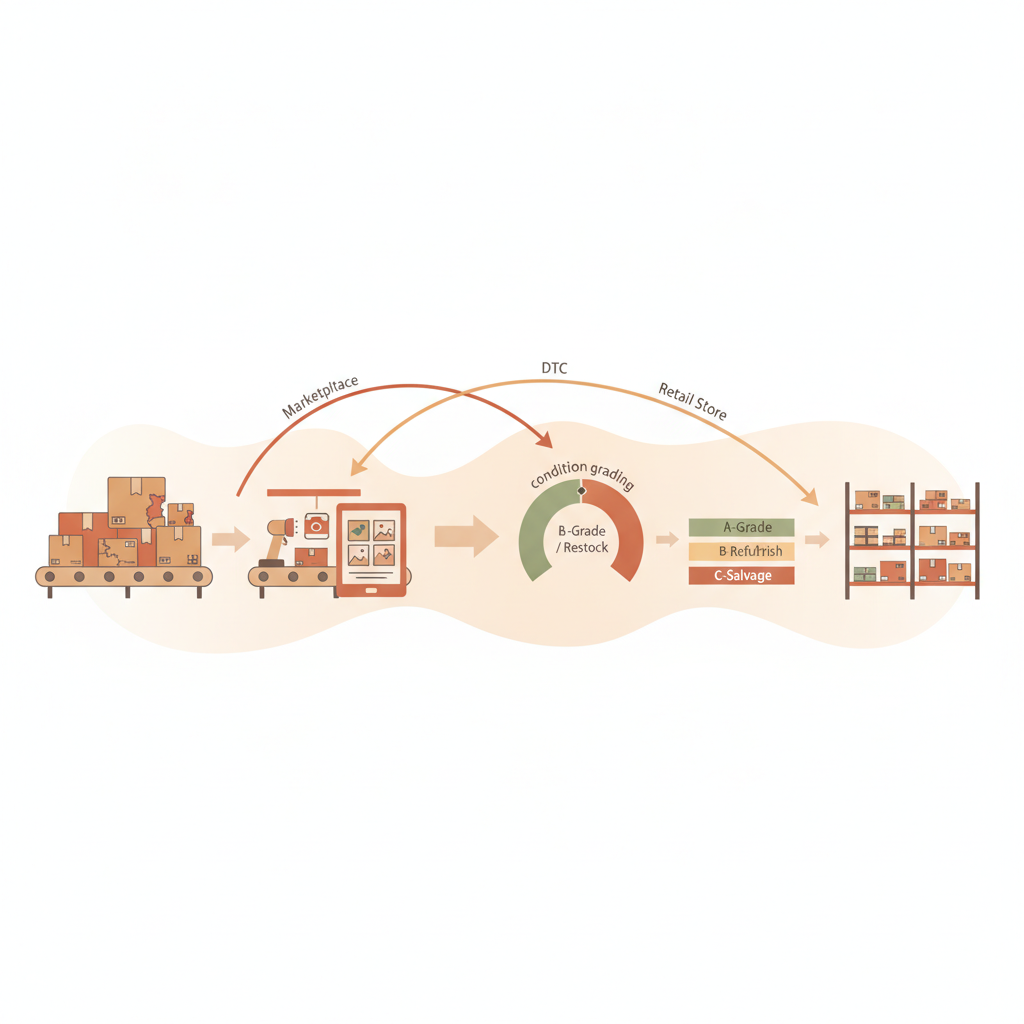
Returns Benchmarking by Channel: Marketplace vs DTC vs Retail Store Returns
Marketplace, DTC, and retail store returns do not behave the same way. This guide benchmarks return rates, reasons, fraud exposure, and disposition speed across channels, and shows how evidence and AI grading make the comparison reliable.
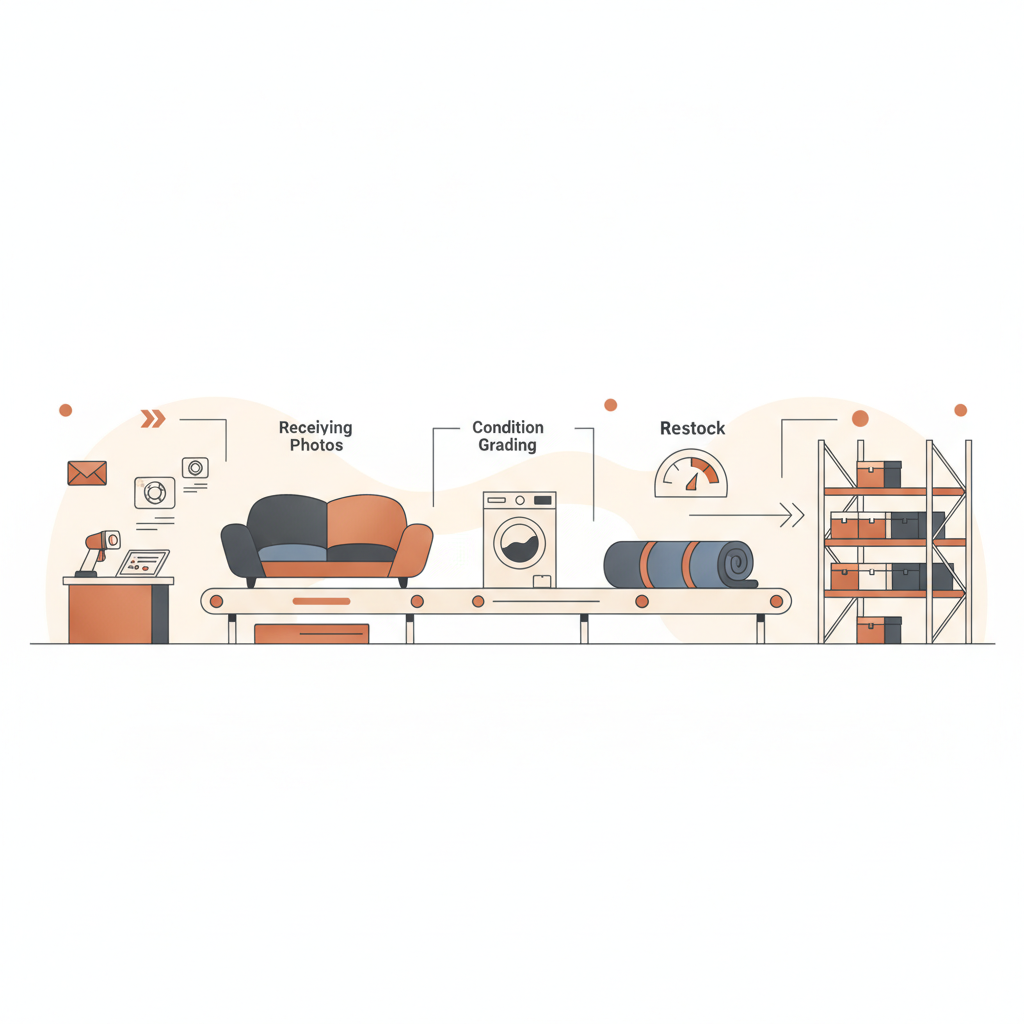
Oversized and Bulky Item Returns: The Economics of Large-Item Reverse Logistics
Furniture, appliances, and other bulky returns break standard small-parcel math. Here is how freight cost, damage rate, and disposition speed actually shape the margin on large-item returns.

Seasonal Staffing Economics: Labor Cost Per Return, Peak vs Off-Peak
Labor cost per return is not a fixed number. It swings hard between peak and off-peak months, and most teams never model why. Here is the formula, the benchmarks, and what changes the math.
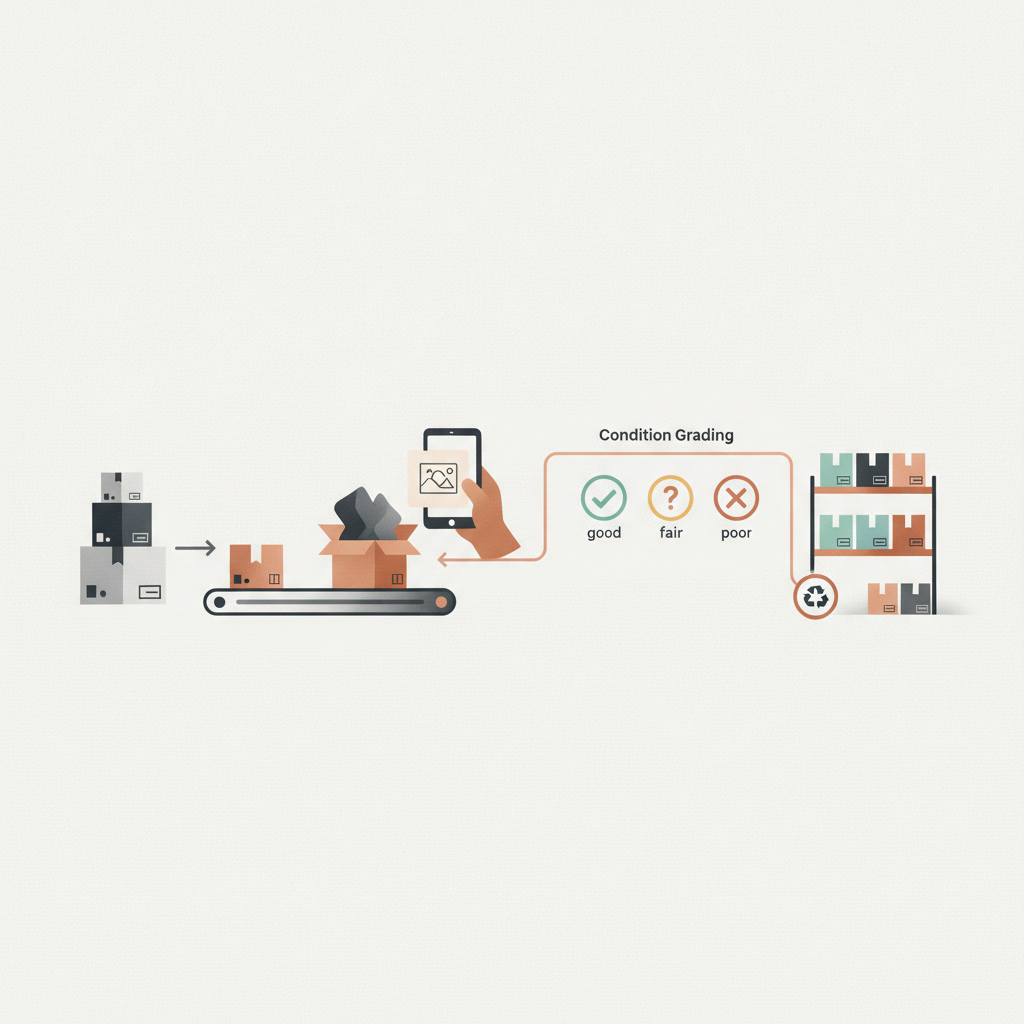
Return shipping cost optimization: carrier choice and the margin impact
Carrier selection is one of the few returns-cost levers a retailer can pull without touching policy. Here is how to think about it, and what it actually does to margin.
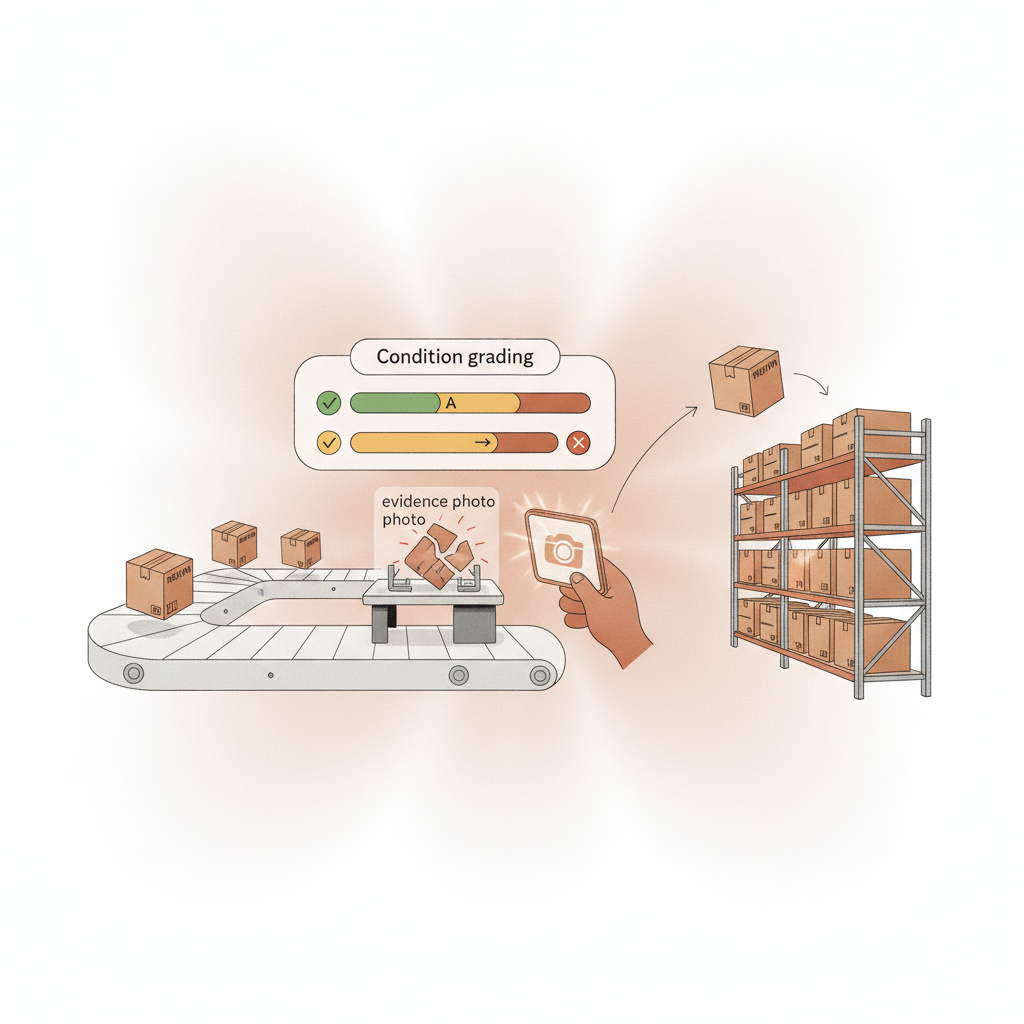
Return reason codes and margin leakage: what the codes actually tell you
Most reason codes are self-reported and wrong more often than teams admit. Here is how to read them against actual grading data to find where margin is really leaking.
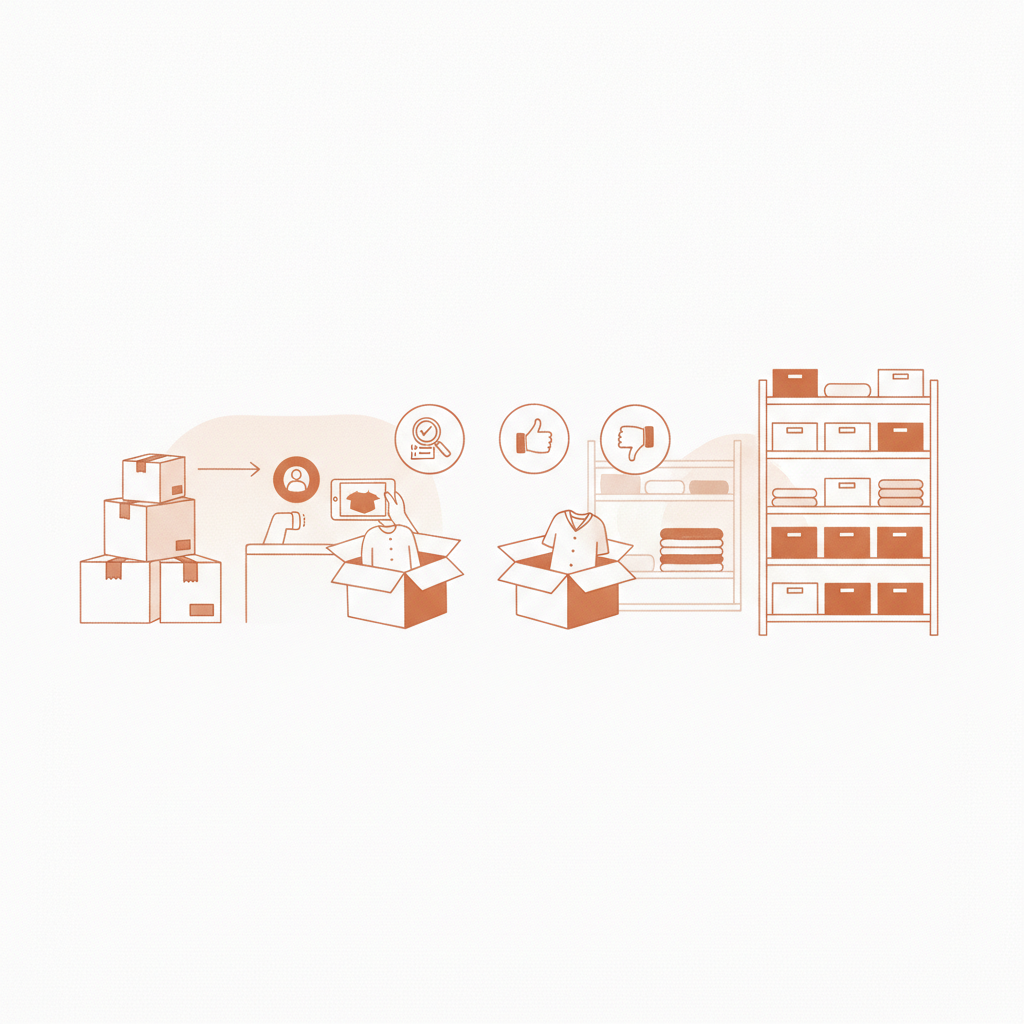
Free returns vs paid returns: the margin tradeoff
Free returns sell more. Paid returns protect margin. Neither answer is complete without looking at what happens to a return after it ships back, which is where most retailers lose the thread.
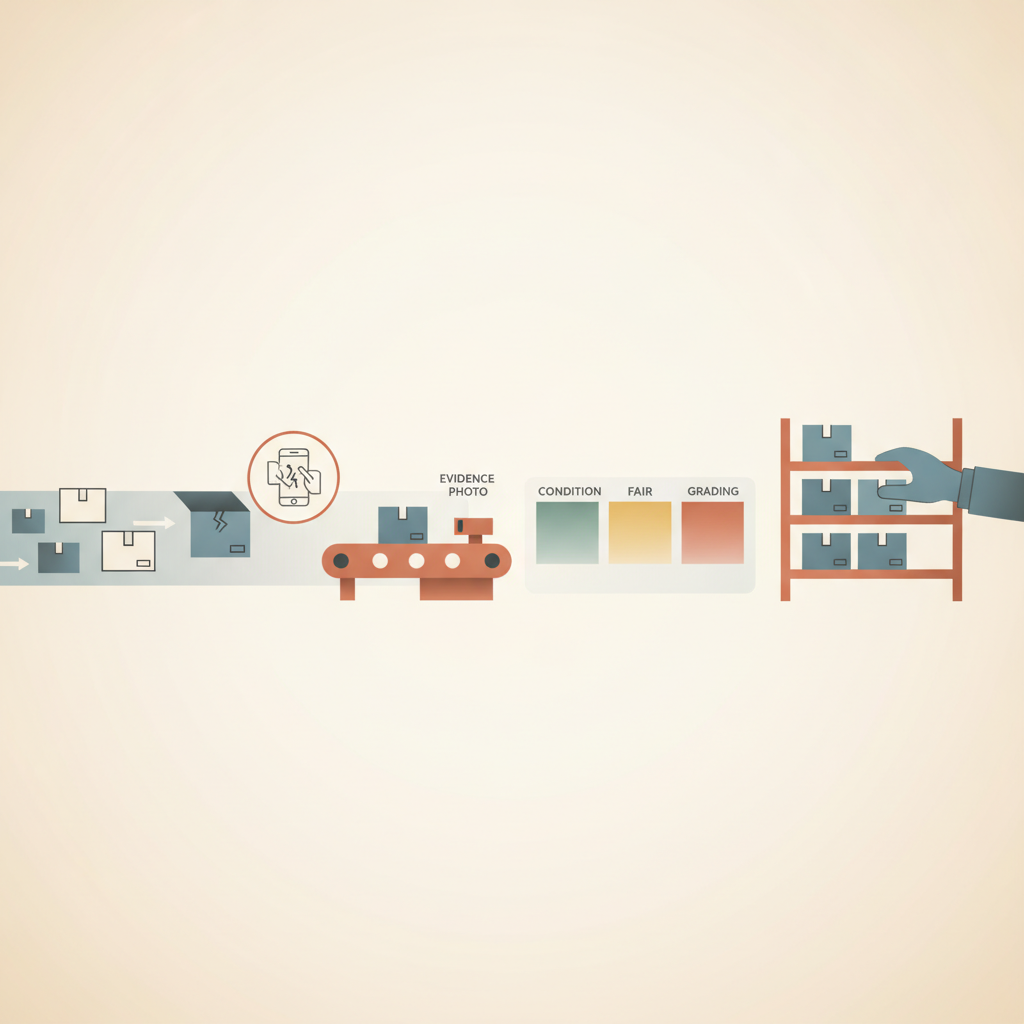
Cost of Returns Processing: The Complete Returns Economics Guide
The cost of returns processing is more than the refund. This is the full breakdown of what drives it, where the money actually leaks, and how a 48 hour cycle and AI grading change the math.

What It Really Costs to Outsource Returns Processing
Outsourcing returns processing costs more than the quoted per-unit fee. Here is what actually shows up on the invoice, and how to judge it against in-house handling.
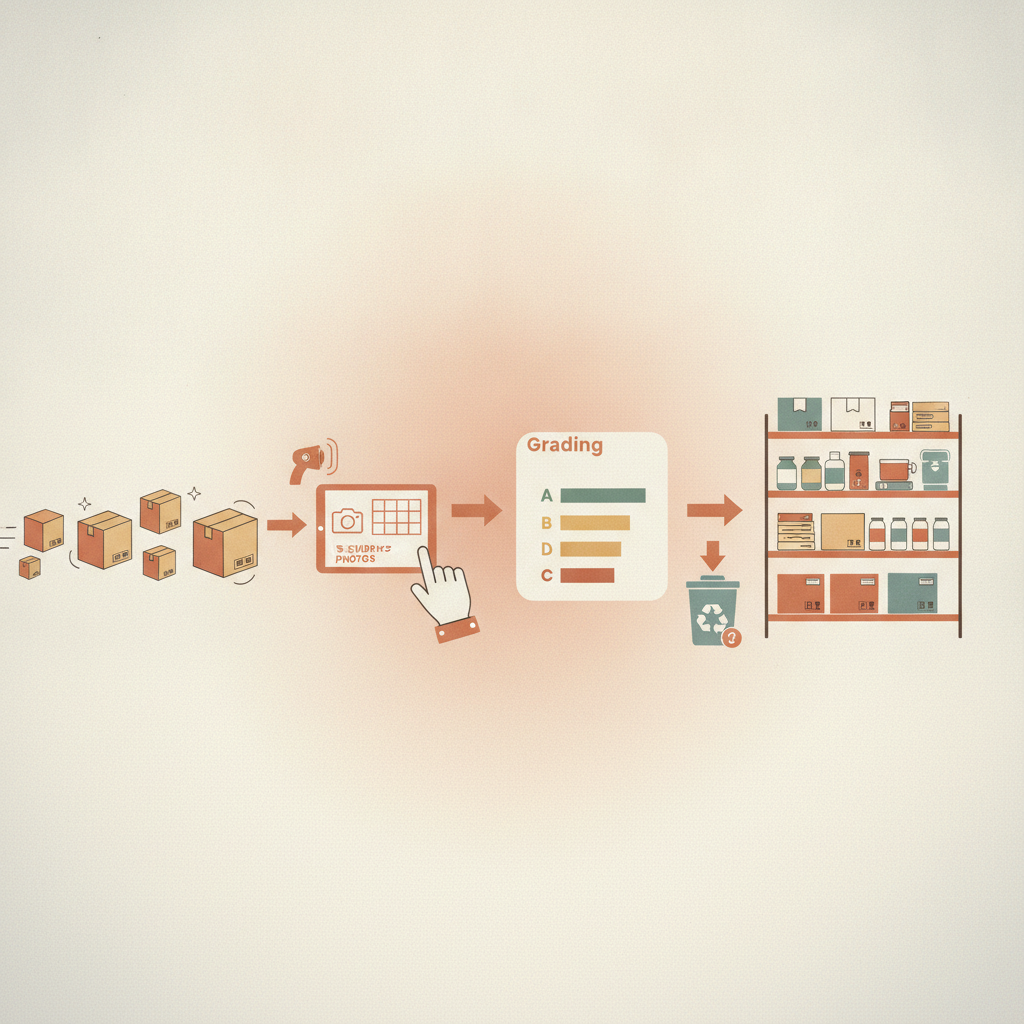
Designing a Holiday Return Window Policy That Does Not Eat Your Margin
Extended holiday return windows drive sales, but every extra week you grant a shopper is a week your inventory sits ungraded. Here is how to design a window that protects both.
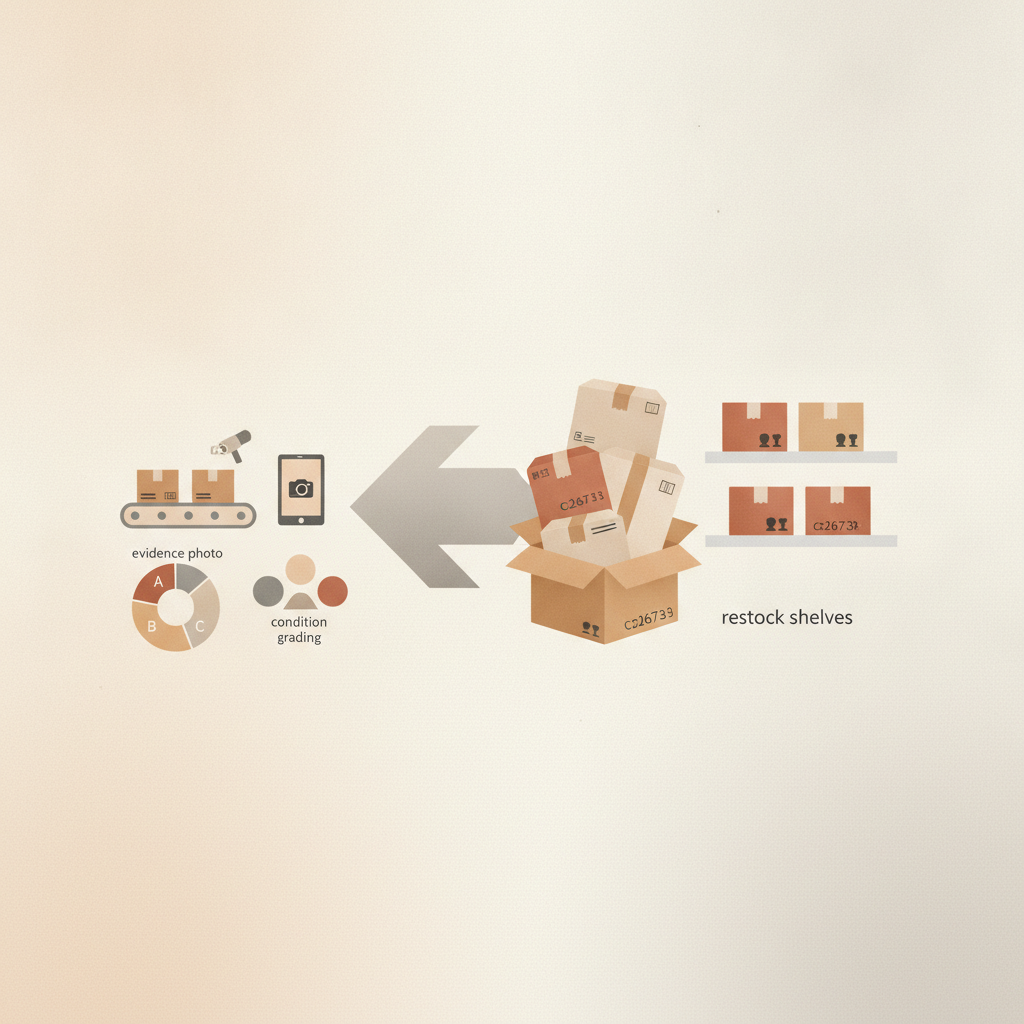
The January Returns Spike: What Changes After the Holidays End
Holiday shopping ends but the returns keep coming for weeks. Here is what actually changes in the data, the grading mix, and the disposition math once January hits, and how a network built for speed handles the surge.

Peak season returns planning: budgeting for Q4 volume before it hits
Q4 returns volume does not spread out evenly, it slams into the last two weeks of December and the first three weeks of January. Here is how to budget for it before it hits.

Returns reserve accounting: budgeting for the returns you have not received yet
A returns reserve built on refund rate alone almost always undercounts what a business owes itself. Here is how to model the liability properly, using grading and disposition data instead of guesswork.

Liquidation recovery rates: what you actually get back
Liquidation recovery rates swing from 5 cents to 60 cents on the dollar depending on grade, category, and channel. Here is what actually drives the number and how disciplined grading protects it.

The real cost of a chargeback for returns-heavy sellers
A chargeback is never just the disputed amount. Between fees, lost inventory, and reserve holds, returns-heavy sellers often pay three to five times the transaction value. Here is where that cost hides and how evidence closes the gap.

Markdown Decay vs Restock Speed: The Clock That Erodes Margin
Every day a returned item sits ungraded, it loses resale value. This is the math behind markdown decay, why restock speed is the only real countermeasure, and how a 48 hour median cycle changes the equation.

Returns as a P&L Line: Accounting for the Hidden Cost Center
Most finance teams bury returns inside COGS and call it done. That hides the real damage. Here is how to pull returns out as their own P&L line, with the buckets, the math, and the recovery numbers to check it against.

Cross-border returns: the math that changes at the EU border
Shipping EU returns back to a US facility eats the resale value. Local intake changes the economics of every cross-border return.

Restock velocity: the metric that pays for your returns program
If a returned item is resellable, every day it is not back on the shelf is lost margin. Restock velocity is the number that turns returns from a cost center into recovered revenue.

The real cost of a return is not the refund
The refund is the visible number. The hidden cost is the days an item sits ungraded and unsellable. Here is how to measure what a return actually costs you.