
AI Condition Grading: The Complete Guide to ABCR at areturnz
A full walkthrough of how AI condition grading works at areturnz: the ABCR scale, confidence scoring, category-specific rules, false-positive handling, and how a grade becomes a disposition decision.

Autonomous Disposition: When AI Grading Skips the Human Review Queue
Autonomous disposition is what happens when a grading model is confident enough to route a return without waiting on a human. Here's how the threshold gets set, what still goes to a person, and why the audit trail matters more once people step back.

False-positive handling: what happens when AI grading gets it wrong
AI grading is fast, but no model is perfect. Here is exactly how areturnz catches a wrong grade before it becomes a wrong disposition, and what the 99.6% match rate really measures.
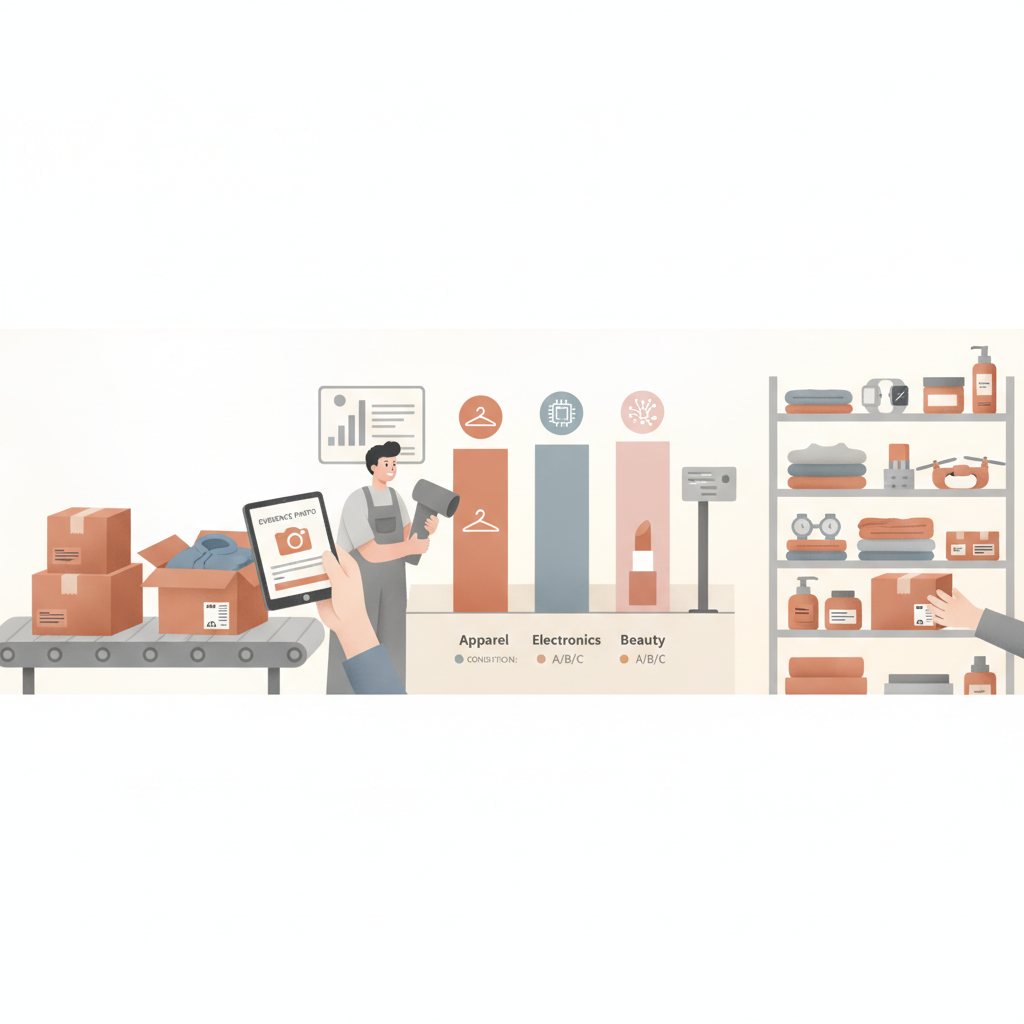
Grading Apparel vs Electronics vs Beauty: How ABCR Adapts by Category
The same A/B/C/R scale means something different on a jacket, a pair of earbuds, and a serum bottle. Here is how areturnz tunes grading logic, confidence thresholds, and disposition rules by category.
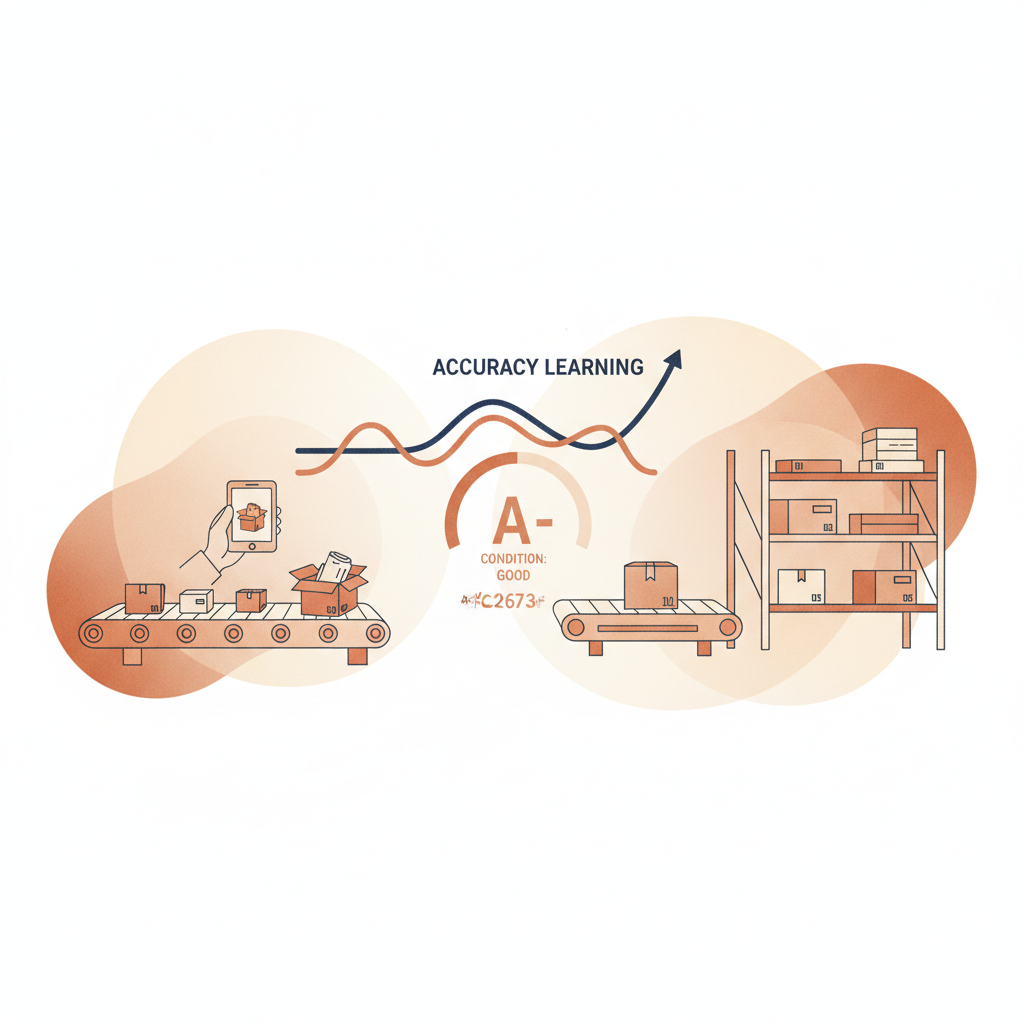
Confidence calibration: how the grading model learns its own accuracy
A confidence score is only useful if it's honest. Here's how areturnz calibrates its grading model against operator review, why raw confidence isn't the same as accuracy, and what happens when the two disagree.
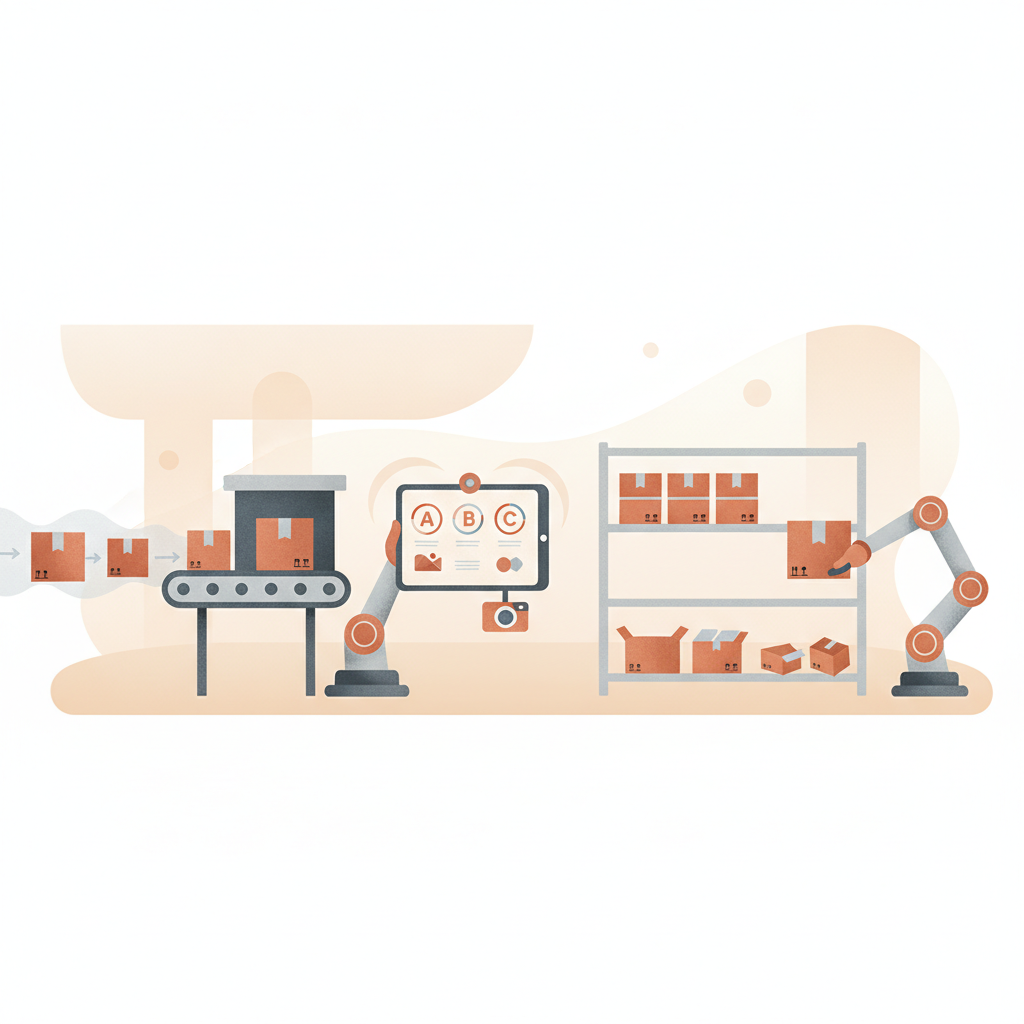
AI Condition Grading Explained: The ABCR System Behind Every Return
A plain-language guide to how areturnz grades every returned item with AI, why confidence scores matter, and how grades turn into disposition decisions in under 48 hours.

Confidence scores beat gut calls on the grading line
A grade without a confidence number forces every item into the same review path. Exposing confidence lets you auto-accept the easy calls and focus humans on the edge cases.

A, B, C, R: how AI condition grading actually works
Machine grading is not a black box. Here is what an A/B/C/R grade means, how confidence scores are produced, and where a human still overrides.