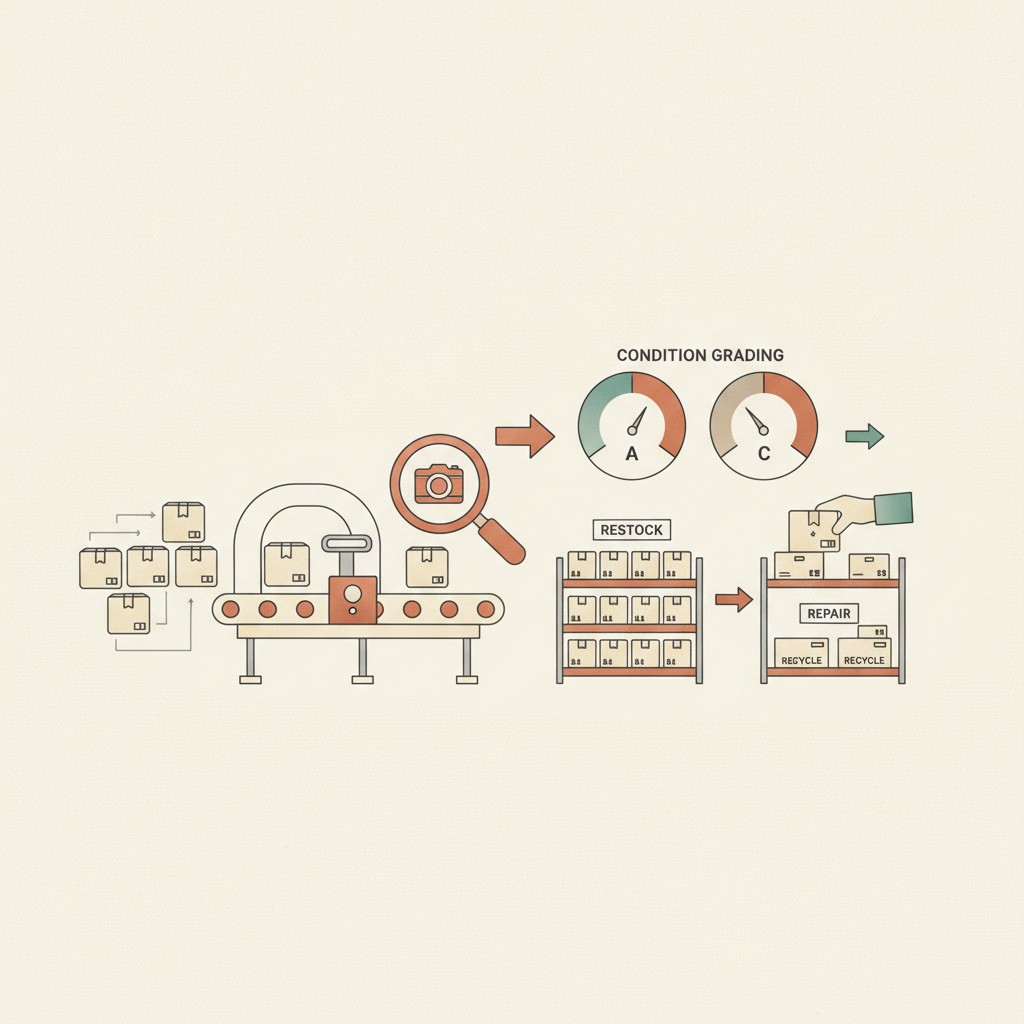
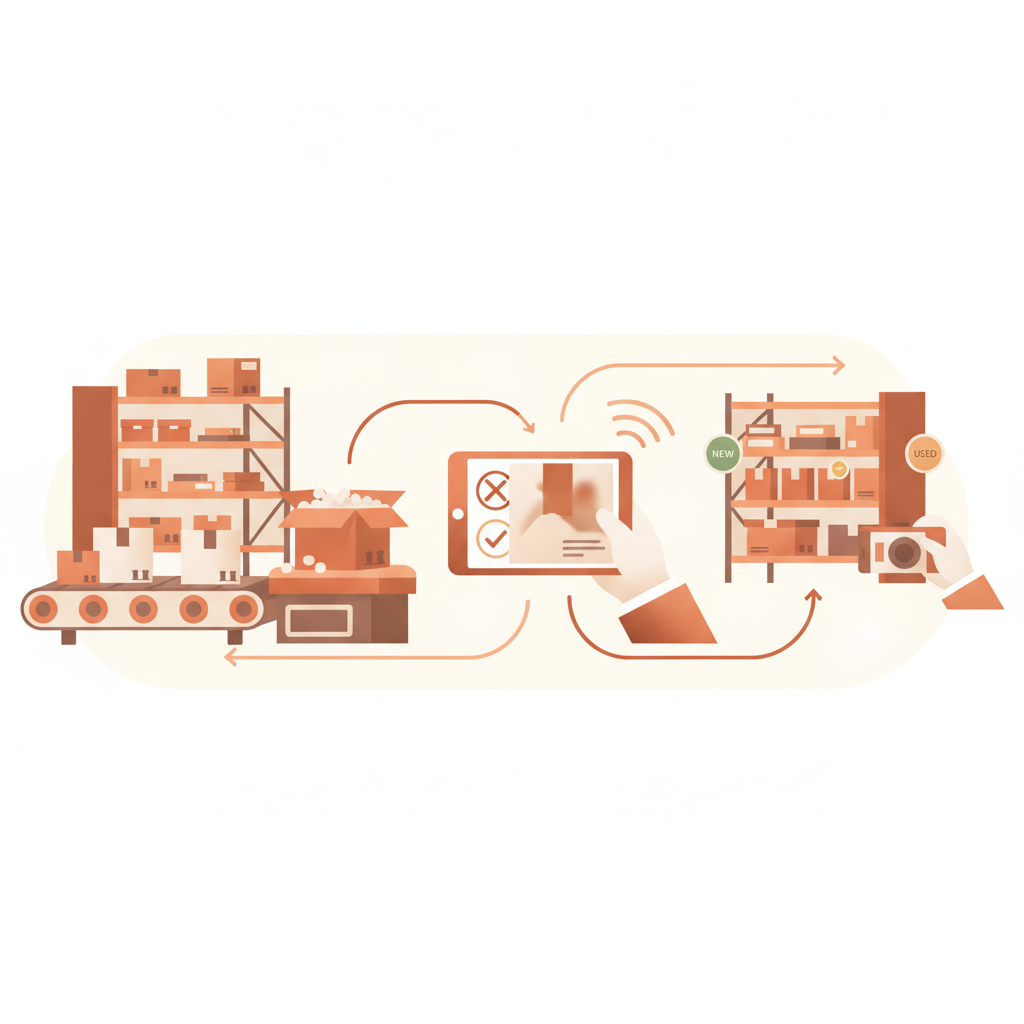
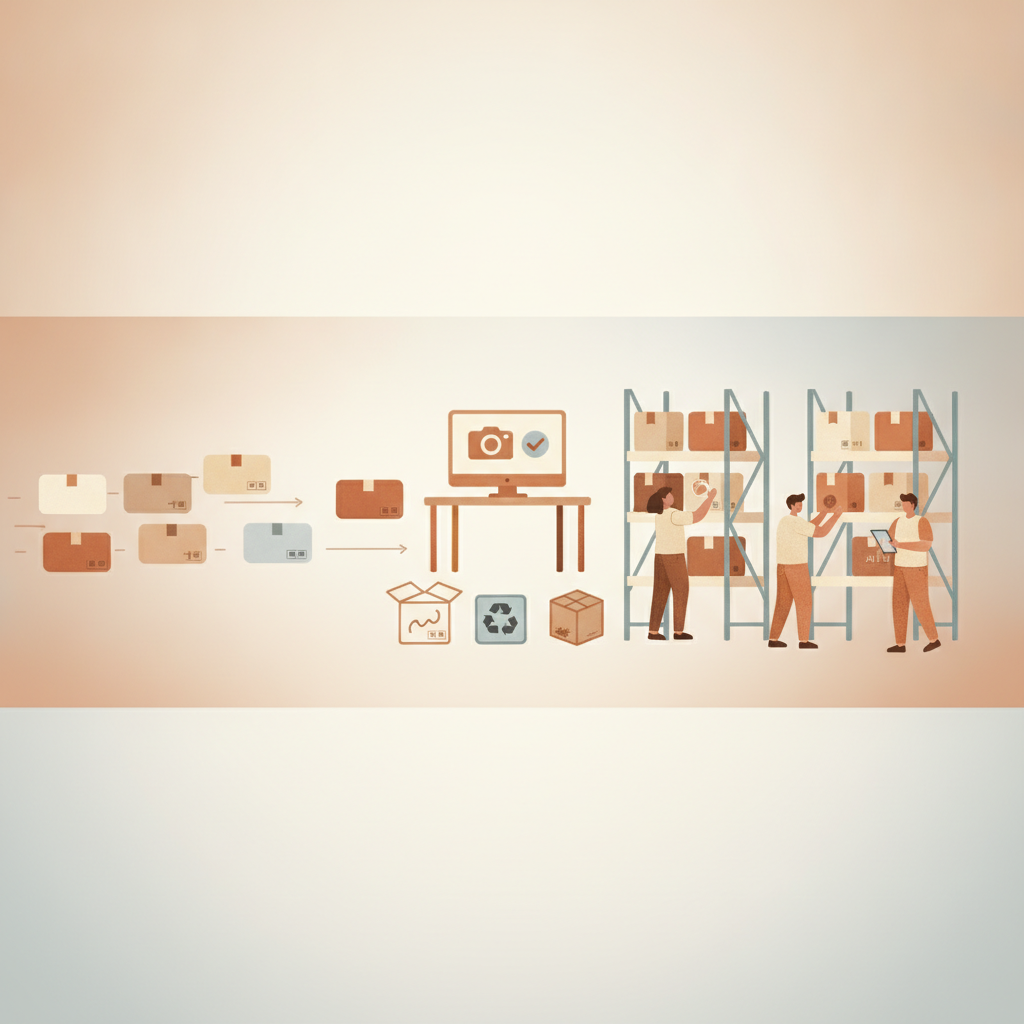
Node facility compliance checklist: what a new returns node must meet before going live

A node facility compliance checklist is the set of physical, security, evidence, grading, and reporting requirements a returns facility must pass before it is allowed to process live volume. At areturnz, a new node does not go live on a calendar date. It goes live when it clears every gate on this checklist, because a facility that skips a gate becomes the weak link in a network that otherwise runs a 48 hour median cycle and a 99.6% AI-vs-operator match accuracy across 180K+ returns processed.
This matters more than it sounds like it should. A returns node that is slow to open parcels, inconsistent on photo capture, or loose on chain of custody does not just hurt its own numbers. It drags down the evidence quality partners rely on when they resell the network under their own brand, and it is the first thing an auditor or a disputing marketplace will find.
Why a compliance checklist exists before volume, not after
Most facility failures are not discovered in week one. They show up in week six, when a dispute lands, a liquidation buyer rejects a lot, or a brand partner asks for a destruction certificate that nobody logged. Gating a node before it opens is cheaper than fixing it after a tenant has already shipped product into it. The checklist below is built around five readiness gates: physical and security, evidence capture, grading and disposition, integration and reporting, and SLA and escalation. A node has to pass all five, not most of them, before it takes on brand volume.
For context on how a facility's location and footprint feed into the economics side of this decision, see choosing a returns node location. This checklist picks up where that post leaves off: once a location is chosen, this is what has to be true before it opens. For the broader context on how areturnz structures partner relationships, the partner playbook covers the full model this checklist supports.
The five readiness gates before a node can go live
1. Physical and security readiness
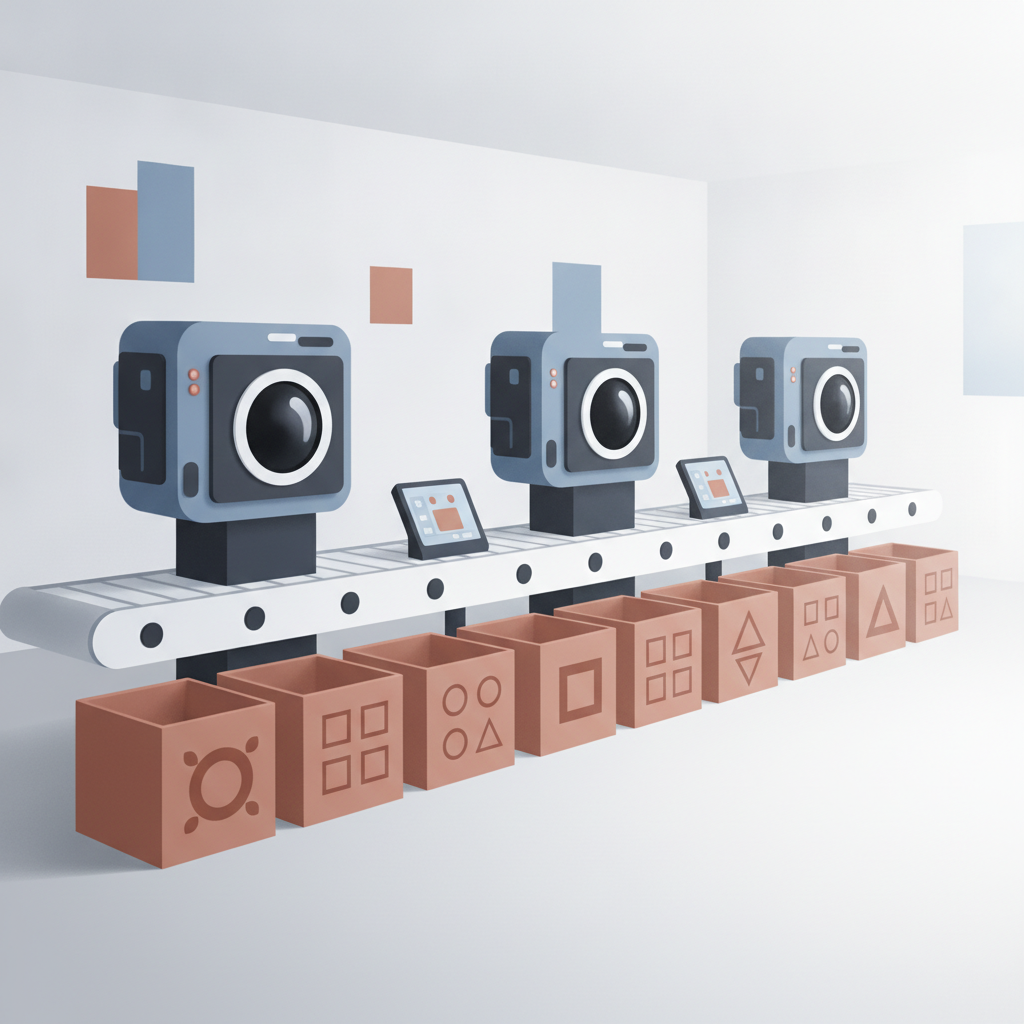
Before a single parcel moves, the facility needs controlled access to receiving and grading areas, camera coverage over every inbound lane, and a documented chain from dock to disposition. This is not paperwork for its own sake. It is what makes a chain of custody audit trail defensible later, when a tenant or an insurer asks where a specific unit was at a given hour.
2. Evidence capture readiness
Every node has to demonstrate it can photograph the outer label, the opened parcel, the item itself, and any visible defect on every unit, not a sample. areturnz ties disposition to this photo set, so a facility that cannot produce a complete evidence bundle on day one cannot be trusted to produce one at volume. New operators should walk through a sample evidence bundle before go-live so the receiving team knows exactly what good capture looks like.
3. Grading and disposition readiness
The AI grading model assigns an A, B, C, or R condition grade with a confidence score, and disposition rules route each return toward restock, liquidate, donate, or destroy based on that grade. A node is not ready until its receiving team understands when an operator override is expected, how overrides get logged, and how often low-confidence items should route to manual review. Facilities that skip this step tend to see their grade-to-disposition accuracy drift in the first month, which is exactly what the network-wide 99.6% match rate is designed to catch early.
4. Integration and reporting readiness
A node has to be wired into the signed-JSON API and webhook system before it processes tenant volume, not after. That means webhook endpoints tested, per-tenant reporting isolated correctly, and dashboard access provisioned for the partners who will be watching that node's numbers from day one. Get a sense of what this wiring involves in the node operator onboarding guide.
5. SLA and escalation readiness
Finally, the node needs a committed cycle time target, an escalation path for stuck items, and a named owner for exceptions. The network median is 48 hours from inbound scan to disposition, and a new node should be tested against that benchmark on sample volume before it takes on a committed SLA with a partner. For the mechanics of setting those commitments, see SLA design for white-label returns partners.
The checklist at a glance
| Requirement area | Minimum standard before go-live | How it is verified |
|---|---|---|
| Physical and security | Controlled access, full camera coverage over receiving and grading, logged dock-to-disposition flow | On-site walkthrough and camera audit before first live parcel |
| Evidence capture | Four-point photo set on every unit: outer label, opened parcel, item, defect | Sample evidence bundle review against the standard bundle format |
| Grading and disposition | A/B/C/R grading live with confidence scoring, override logging in place | Trial batch compared against operator grading for match rate |
| Integration and reporting | API and webhook endpoints tested, per-tenant dashboard access provisioned | Webhook delivery test and dashboard access confirmation |
| SLA and escalation | Cycle time tested against the 48 hour median, named exception owner | Timed trial run from inbound scan to disposition |
What happens when a node skips the checklist
The most common failure mode is not fraud or theft. It is inconsistency. A receiving team that photographs most units but not all of them produces an evidence bundle with gaps, and gaps are exactly what a disputing buyer or a skeptical liquidation partner will find first. A grading team that is not trained on confidence thresholds will either send too much to manual review (slowing the cycle) or let too much through on low confidence (hurting match accuracy). Both are preventable with a checklist gate, and both are expensive to unwind once a node is already carrying live tenant volume.
There is also a reputational cost specific to a white-label network. Partners who resell areturnz under their own brand, as covered in the guide to reselling returns under your own brand, are putting their name on numbers this network produces. A node that has not cleared compliance gates puts every partner reselling through it at risk, not just the tenant whose volume happens to hit that facility first.
How areturnz validates a new node before go-live
Each new node runs a trial batch before it takes committed volume. That batch is graded, photographed, and disposed exactly as live volume would be, then compared against operator benchmarks for accuracy and timing. Facilities that clear the trial move to limited live volume with close monitoring; facilities that do not get another cycle of training before a second trial. This is the same bar the NJ-01 facility in East Hanover, New Jersey was held to, and it is the bar every subsequent node has to clear, regardless of size or region.
Operators evaluating whether to build or route volume through a compliant node should also look at how costs map to readiness. The pricing page covers how node readiness maps to cost structure for partners, and the returns capacity planning guide is a useful next read for scaling a compliant node once it goes live.
Frequently asked questions
How long does it take a new node to clear the full checklist?
It varies by facility size and existing infrastructure, but most nodes run through physical setup, evidence capture training, and a timed trial batch over several weeks before they take committed tenant volume. The trial batch itself is measured against the network's 48 hour median cycle and 99.6% match accuracy benchmark.
Does every node need to meet the same standard, or does it scale with volume?
The five gates apply regardless of a node's expected volume. A smaller regional node and a high-throughput node both need full photo capture, grading accuracy, and SLA testing. What scales with volume is staffing and camera station count, not the standard itself.
What happens if a node fails part of the checklist during the trial?
It does not take live tenant volume until it passes. A facility that fails evidence capture or grading accuracy during the trial batch gets additional training and a second trial run rather than a waiver, because a weak node undermines the evidence and accuracy numbers the whole network depends on.
Who verifies node compliance, the operator or an outside party?
Verification is internal to the areturnz network: trial batches are compared against operator benchmarks and audited for evidence completeness. Partners reviewing a node for their own use can also request a sample evidence bundle to see exactly what a compliant node produces.
Is this checklist different from choosing where to put a node?
Yes. Location and footprint economics, covered in the node location economics post, determine where a facility should sit. This checklist determines whether a facility at that location is actually ready to process returns once it opens.
If you are planning a new node or evaluating one a partner already operates, talk to areturnz about what it takes to get a facility compliant and live.
Related reading: Multi-seller tenant architecture: white-label returns for marketplaces