White-label branding: customizing the customer-facing returns experience
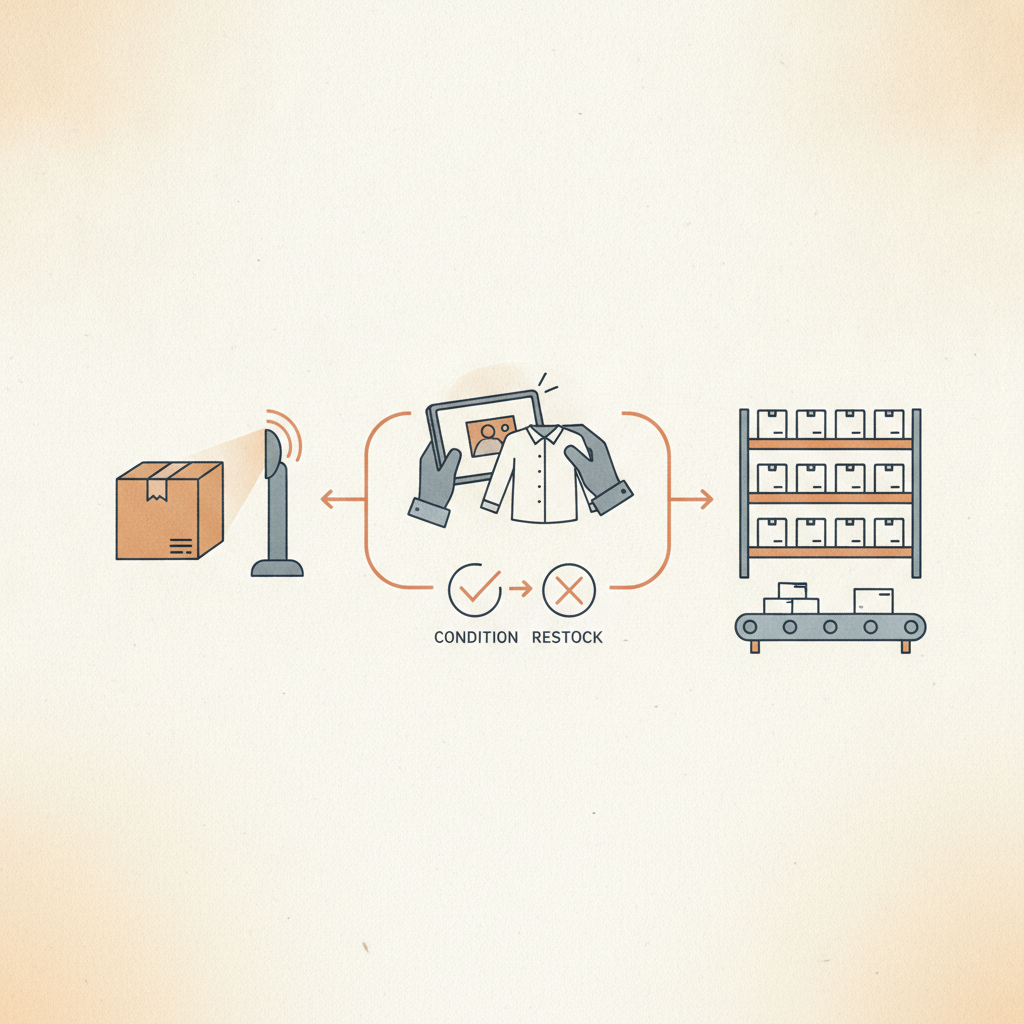
White-label returns branding customization is the set of controls a partner uses to put its own name, colors, and voice on the customer-facing parts of a returns program, while areturnz continues to run receiving, grading, and disposition behind the scenes. On the areturnz network, that means a branded portal, branded notifications, and a branded evidence bundle, all sitting on top of the same 48 hour median cycle and 99.6% AI-vs-operator match accuracy that every tenant gets regardless of how the interface looks.
Brands and retailers do not want their customers to notice a vendor switch mid-return. A shopper who bought a jacket from a boutique brand should not land on a page that says areturnz, a 3PL logo, or anything other than the brand they trust. This post covers what actually gets rebranded, what stays fixed for consistency and compliance, and how partners should think about the tradeoff between customization and speed to launch. It builds on the broader partner playbook for reselling returns processing under your own name.
What white-label branding actually covers
Branding in a returns network is not cosmetic polish on a checkout page. It touches every customer-visible surface in the returns journey: the portal where a shopper starts a return, the status emails and SMS that follow it, the printed or digital return label, and the evidence summary a customer or support agent might see if there is a dispute. Each of those surfaces can carry a partner's name, logo, color palette, and tone of voice.
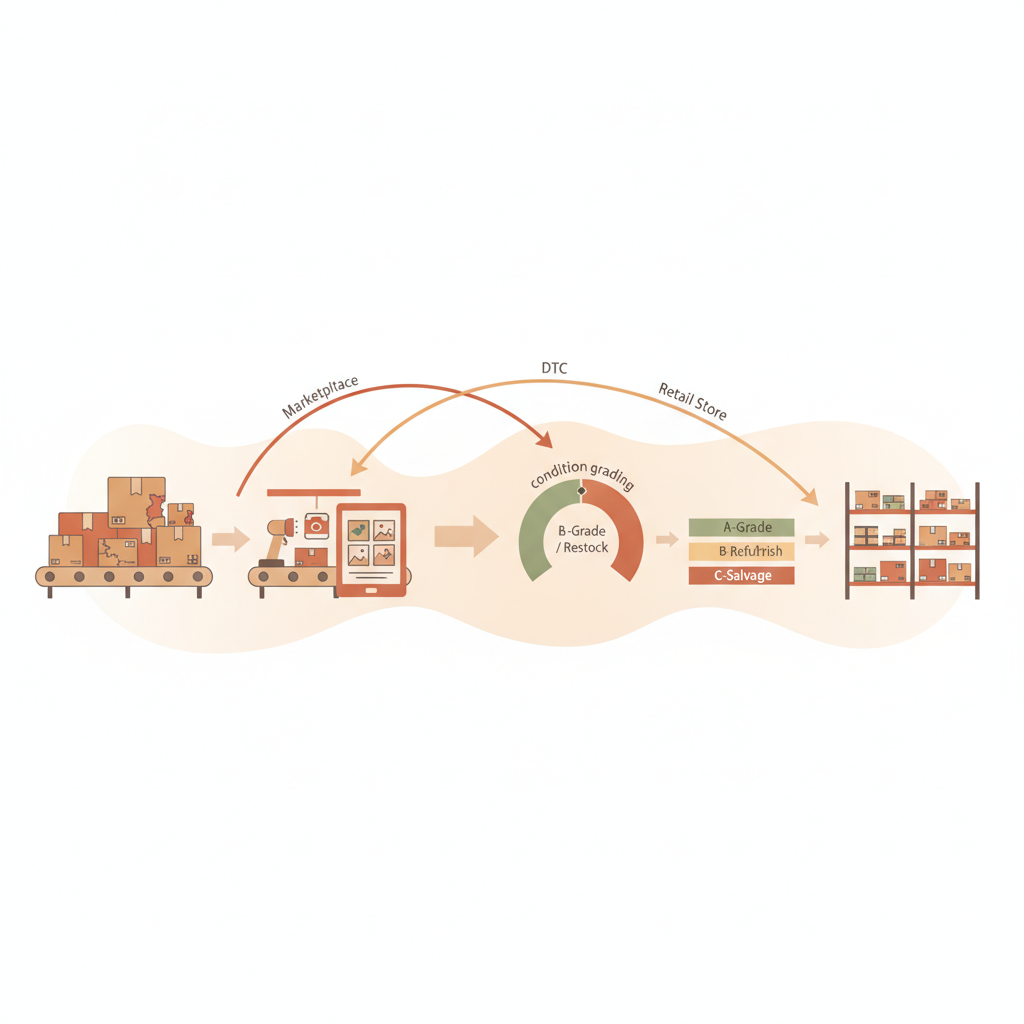
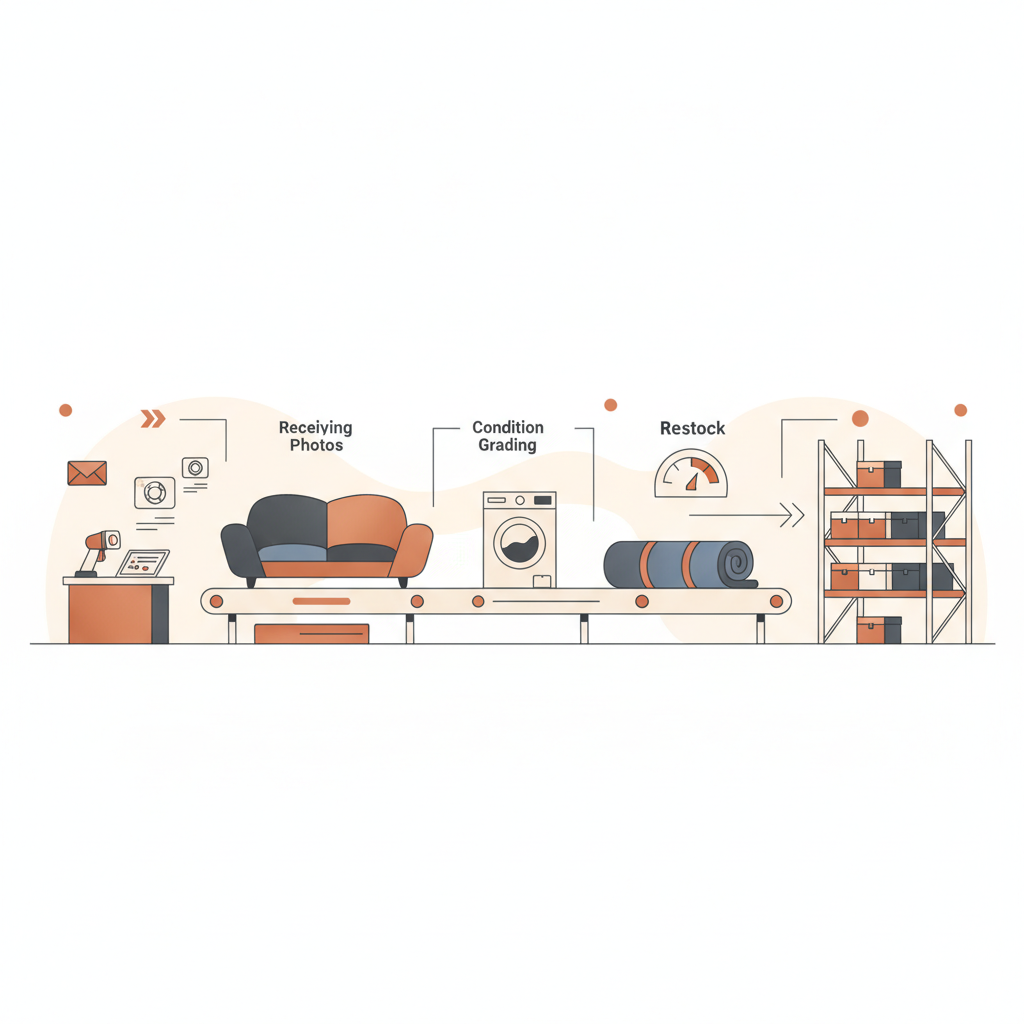
What does not change is the machinery underneath. Every parcel still gets photographed at receiving (outer label, opened parcel, item, and any defect), every item still gets an AI grade on the A/B/C/R scale with a confidence score, and every disposition still follows the rules a partner configured, with operator overrides logged. Branding sits on top of that pipeline. It does not replace it.
Customer portal and return initiation
The portal where a customer starts a return, prints a label, and tracks status is the highest-visibility branding surface. Partners typically set a custom domain or subdomain, upload a logo and color scheme, and write their own copy for return reasons, policy text, and confirmation screens. The underlying return reason taxonomy and routing logic stay standard so that reporting remains comparable across tenants, but the words a shopper reads are the partner's own.
Notifications and status updates
Email and SMS notifications (return received, grading complete, refund issued, item restocked or liquidated) carry the partner's sender name and template design. The real-time ops notifications shipped on the receiving line power the timing and triggers for these messages, but the partner controls the subject lines, tone, and branding assets that wrap around them.
Evidence bundles and dispute communications
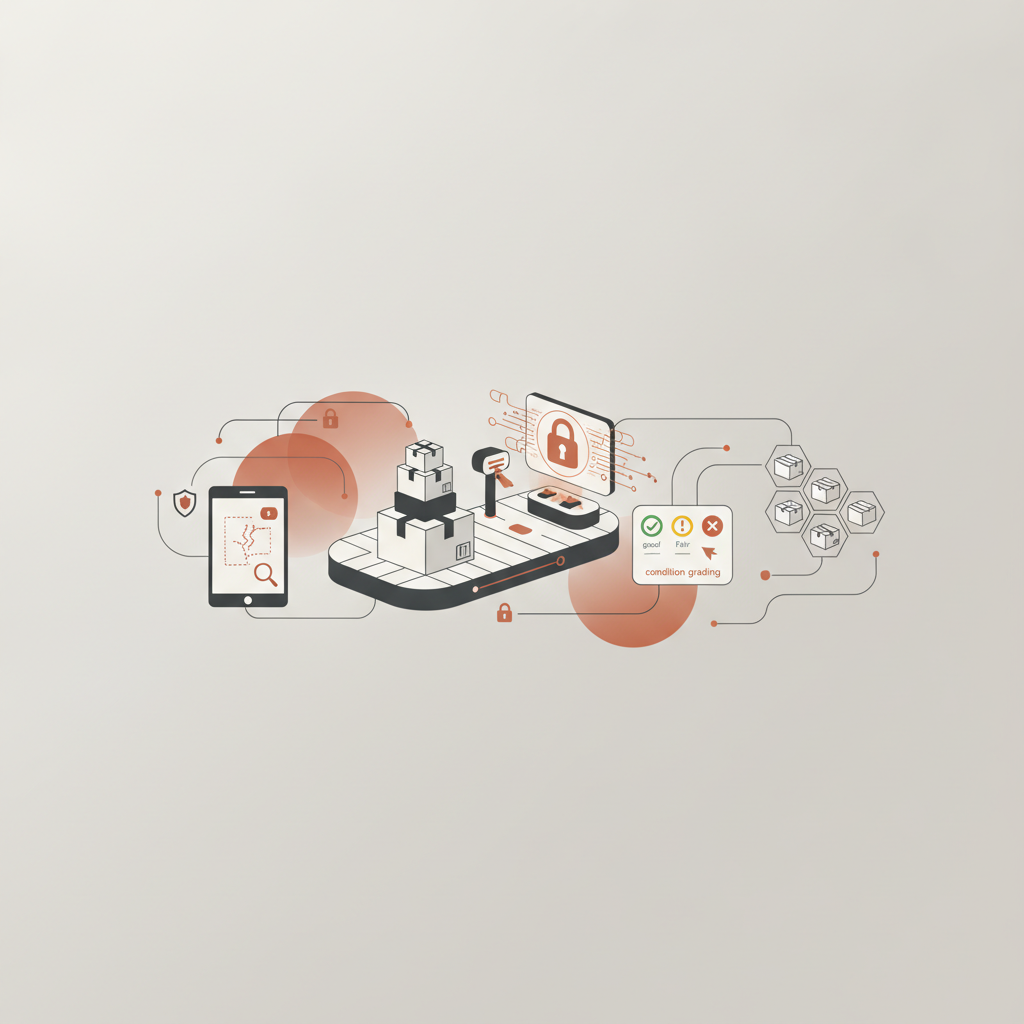
When a customer or a marketplace disputes a return, the evidence bundle (photos, grade, confidence score, disposition decision) is often the thing that settles the argument. Partners can present this evidence under their own branding in support tooling or customer-facing dispute pages, while the evidence itself, down to the timestamp and operator override log, stays unaltered. You can see what a bundle actually looks like on the evidence sample page.
What stays consistent across every tenant
Some things are deliberately not brandable, and that is a feature, not a limitation. Grading logic, confidence thresholds, and disposition rule structures stay standardized so that areturnz can guarantee the same 99.6% AI-vs-operator match accuracy and the same 48 hour median cycle regardless of which partner's logo is on the portal. If every tenant could rewrite grading thresholds, the network could not make consistent speed or accuracy claims, and partners could not compare their own performance against network benchmarks.
Facility operations are also uniform. A return processed at NJ-01 in East Hanover follows the same receiving, photography, and chain-of-custody steps whether it belongs to a national retailer or a small DTC brand. The partner's brand lives in the interface and the communications, not in the warehouse workflow.
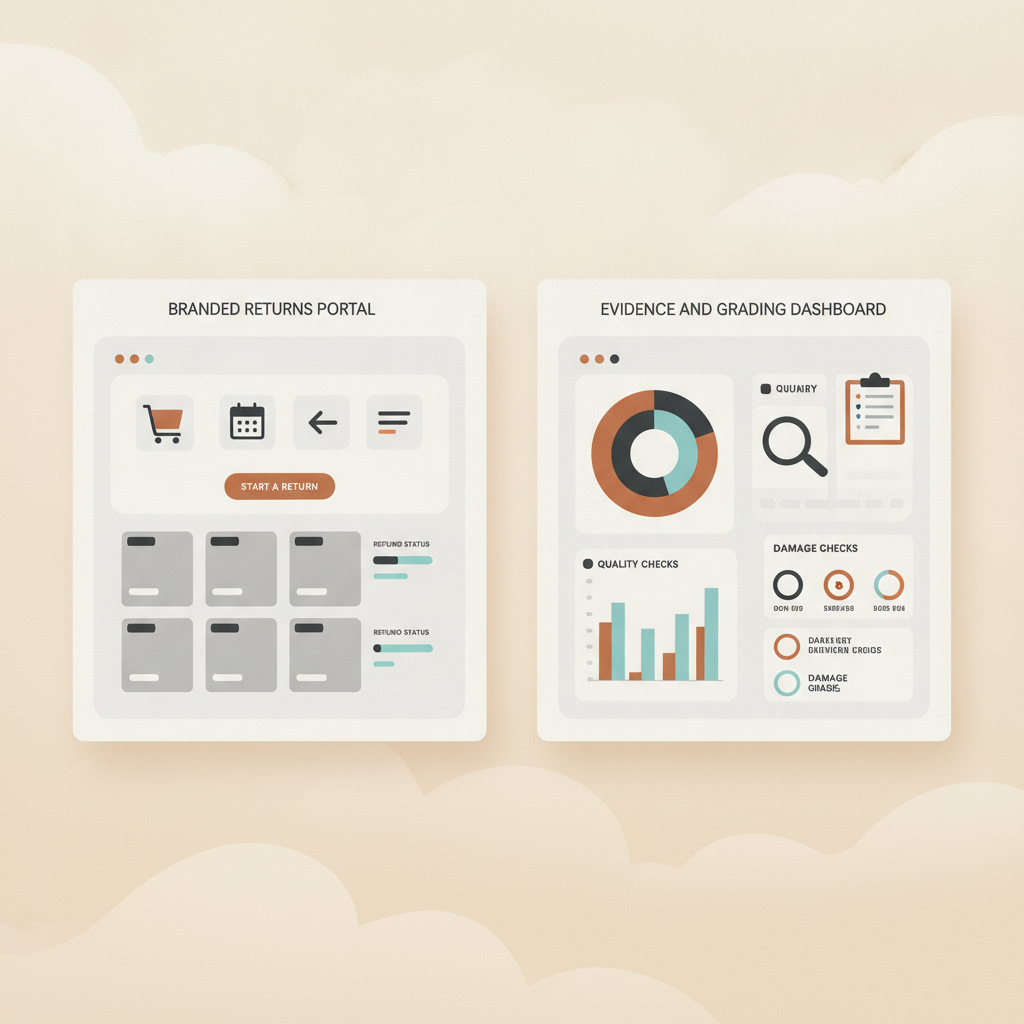
| Surface | Brandable by partner | Fixed across network |
|---|---|---|
| Customer return portal | Logo, colors, domain, copy, reason labels | Reason taxonomy, routing logic |
| Status notifications | Sender name, templates, tone | Trigger timing, event structure |
| Return label | Branding on packaging slip | Carrier routing rules |
| Evidence bundle presentation | Wrapper, support tool styling | Photos, grade, confidence score, timestamps |
| Grading and disposition logic | Disposition thresholds per partner contract | ABCR scale, model, confidence calibration |
| Facility operations | Not applicable | Receiving, photography, chain of custody at NJ-01 |
Building the branded experience without slowing onboarding
The partners who launch fastest treat branding as configuration, not custom development. Logo uploads, color tokens, domain mapping, and email templates are handled through setup rather than one-off engineering work, which keeps onboarding timelines predictable. Partners who want deeper customization (custom reason flows, unique disposition rules per product category, or bespoke reporting views) can layer that in through the API and per-tenant reporting controls described in our piece on giving partners visibility without breaking isolation.
It also helps to decide branding scope before onboarding starts. A brand that wants full white-label (no mention of areturnz anywhere a customer can see) needs a different setup checklist than a marketplace that is comfortable with a visible co-branded disclosure. Both are supported, but deciding early avoids rework later. The node operator onboarding guide walks through the sequencing in more detail.
Where branding intersects with multi-tenant isolation
Because the network runs multiple tenants on shared infrastructure, branding changes for one partner must never leak into another partner's portal, webhook payloads, or notifications. This is the same isolation discipline covered in our post on multi-tenant webhook isolation: separate credentials, separate data scoping, and separate branding configuration per tenant, all running on the same underlying grading and evidence pipeline.
Why customers never need to know the backend
From a shopper's perspective, a returned sweater should feel like it is being handled by the brand they bought it from, not by a third party they have never heard of. Over 180,000 returns have moved through the areturnz network, and the branding layer is what keeps each one feeling native to the partner that owns the customer relationship. The economics and speed described on the pricing page stay the same whether a partner chooses a minimal branding footprint or a fully custom portal, because the cost driver is processing volume and SLA tier, not interface customization.
For a wider view of how white-label fits into the overall partner model, including SLA design and tenant onboarding, see reselling returns under your own brand and the partners use case page.
Frequently asked questions
Can a partner remove all mention of areturnz from the customer experience?
Yes. Most partners run a fully white-label experience where customers see only the partner's brand across the portal, notifications, and labels. areturnz operates as the processing network behind the scenes.
Does branding customization affect grading accuracy or cycle time?
No. Branding sits entirely on top of the operational pipeline. The 48 hour median cycle from inbound scan to disposition and the 99.6% AI-vs-operator match accuracy apply the same way regardless of portal styling or notification templates.
Can disposition rules differ by brand within the same white-label setup?
Yes. Disposition rules (what gets restocked, liquidated, donated, or destroyed at each grade) are configured per tenant contract. Branding and disposition logic are separate layers, so a partner can have a distinct look and distinct rules at the same time.
How long does it take to launch a branded portal?
Most partners launch with logo, color, domain, and template configuration rather than custom development, which keeps setup within the standard onboarding timeline described in the node operator guide. Scope creep on custom flows is the main thing that extends launch dates.
Is the evidence bundle still trustworthy if it is shown under a partner's branding?
Yes. The underlying photos, grade, confidence score, and timestamps are fixed and tamper-evident regardless of the visual wrapper. Branding changes presentation, not the data itself.
Ready to see what a branded portal and evidence bundle could look like for your business? Contact areturnz to talk through your branding and onboarding plan.
Related reading: Webhook event types for returns status: a reference guide for partner integrations
Related reading: Choosing a returns node location: facility footprint and regional coverage economics