Return shipping cost optimization: carrier choice and the margin impact
Return shipping cost optimization is the practice of matching carrier selection, routing, and service level to the actual value of the item being returned, instead of defaulting to one national carrier for every parcel. areturnz treats inbound shipping as a lever inside the disposition decision, not a fixed cost, because a $14 label on a $22 item can erase restock value before the parcel even reaches a node. Done well, this optimization recovers a few points of margin on every return without touching refund policy at all.
Why carrier choice is a margin lever, not just a logistics decision
Most retailers negotiate one inbound carrier contract and apply it everywhere, regardless of item value, destination zone, or disposition path. That works fine for high-value electronics. It quietly destroys margin on low-value apparel or beauty returns, where the shipping cost can run 20 to 40 percent of the item's resale value. The returns economics pillar covers the full cost stack; this piece isolates the shipping line specifically, because it is one of the few variables a retailer can actually renegotiate quarter over quarter.
The math is simple once you separate it from the refund conversation. A return costs money in four places: the label, the carrier's handling fee, the zone-based transit surcharge, and the time value lost while the item sits in transit instead of back on a shelf. Carrier choice touches three of those four directly.
Zone skipping and regional carriers
National carriers price by zone distance from origin to destination hub. Zone-skipping, where a retailer consolidates returns at a regional point before the long-haul leg, can cut the per-parcel cost by routing through a nearer facility. areturnz's NJ-01 facility in East Hanover, New Jersey sits inside dense East Coast population zones, which shortens the average zone distance for a large share of US-based return volume and reduces the surcharge tier most parcels fall into.
Service level matched to disposition, not habit
Ground service is nearly always the right default for returns. Retailers that apply expedited service out of habit, often inherited from forward-shipping contracts, pay a premium that the returned item's resale value rarely justifies. The exception is high-value electronics or anything flagged for a fast restock window, where faster transit protects against markdown decay. Matching service level to grade and disposition, rather than applying one blanket rule, is where most of the savings sit.

A carrier strategy comparison
The table below lays out the common approaches retailers use for inbound return shipping, with the tradeoffs that matter for margin.
| Strategy | Typical cost per parcel | Transit impact | Best fit |
|---|---|---|---|
| Single national carrier, flat rate | Highest, no zone optimization | Consistent but not fast | Low volume, simple operations |
| Multi-carrier with rate shopping | Moderate savings, 8 to 15 percent | Varies by lane | Mid-size programs with volume to negotiate |
| Zone skipping via regional hub | Meaningful savings on dense lanes | Faster on short-haul legs | Retailers with concentrated return geography |
| Owned network with fixed node (areturnz model) | Predictable, negotiated at network scale | About 48 hour median cycle from inbound scan to disposition | Programs prioritizing speed and evidence alongside cost |
Where shipping cost optimization meets grading and disposition
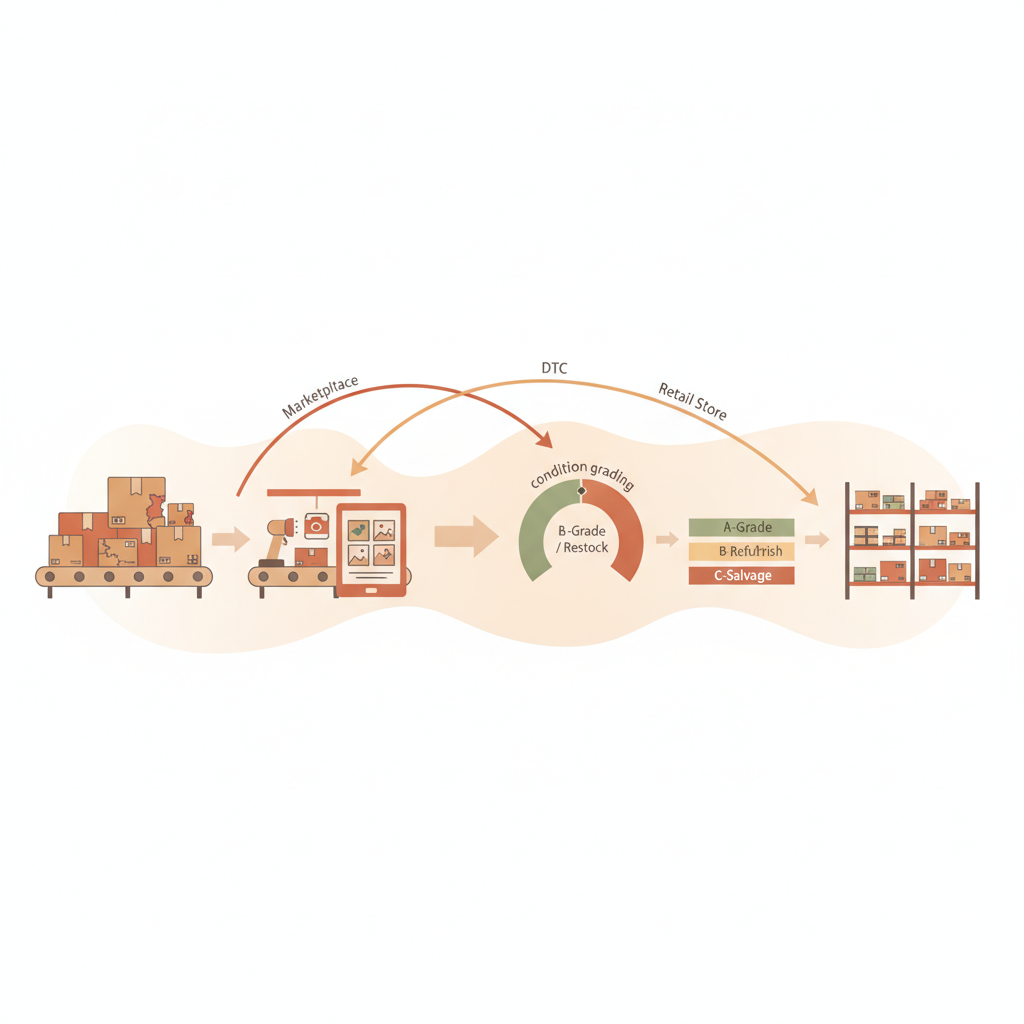
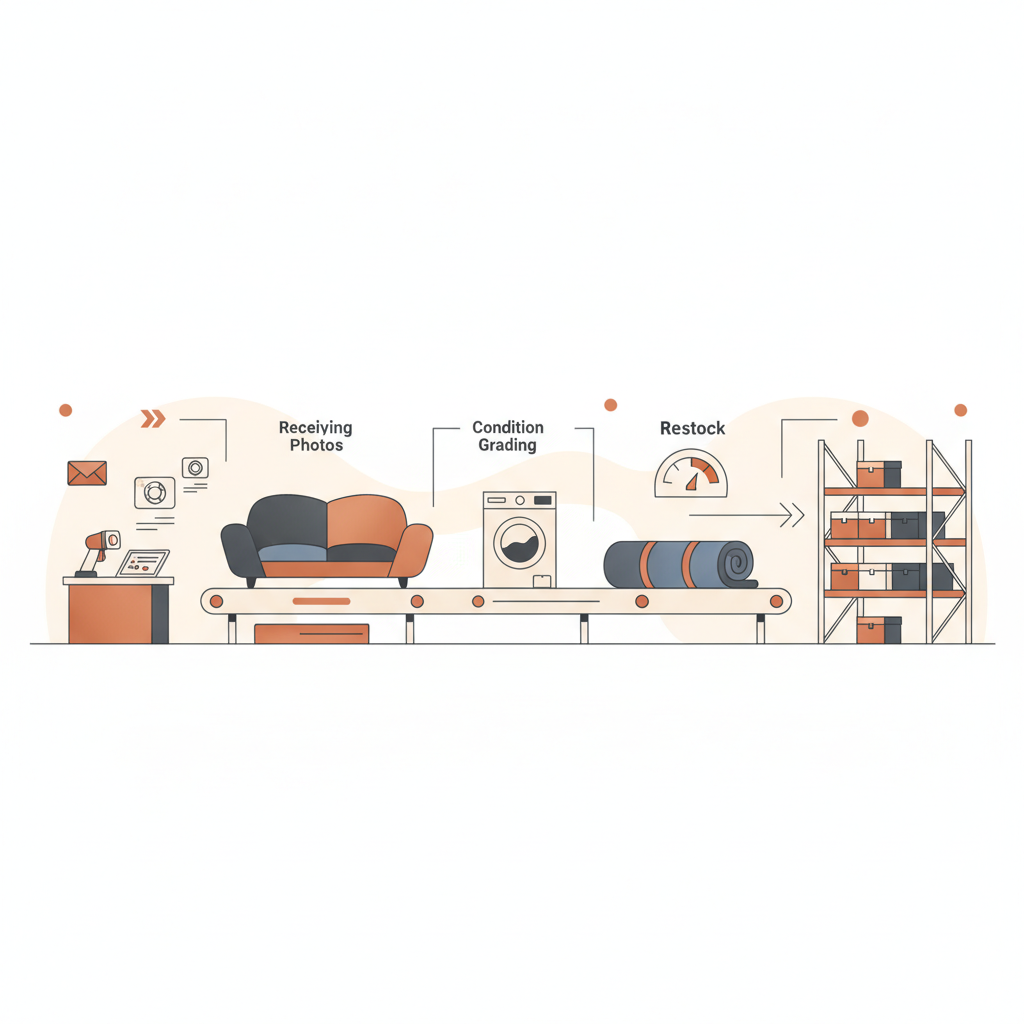
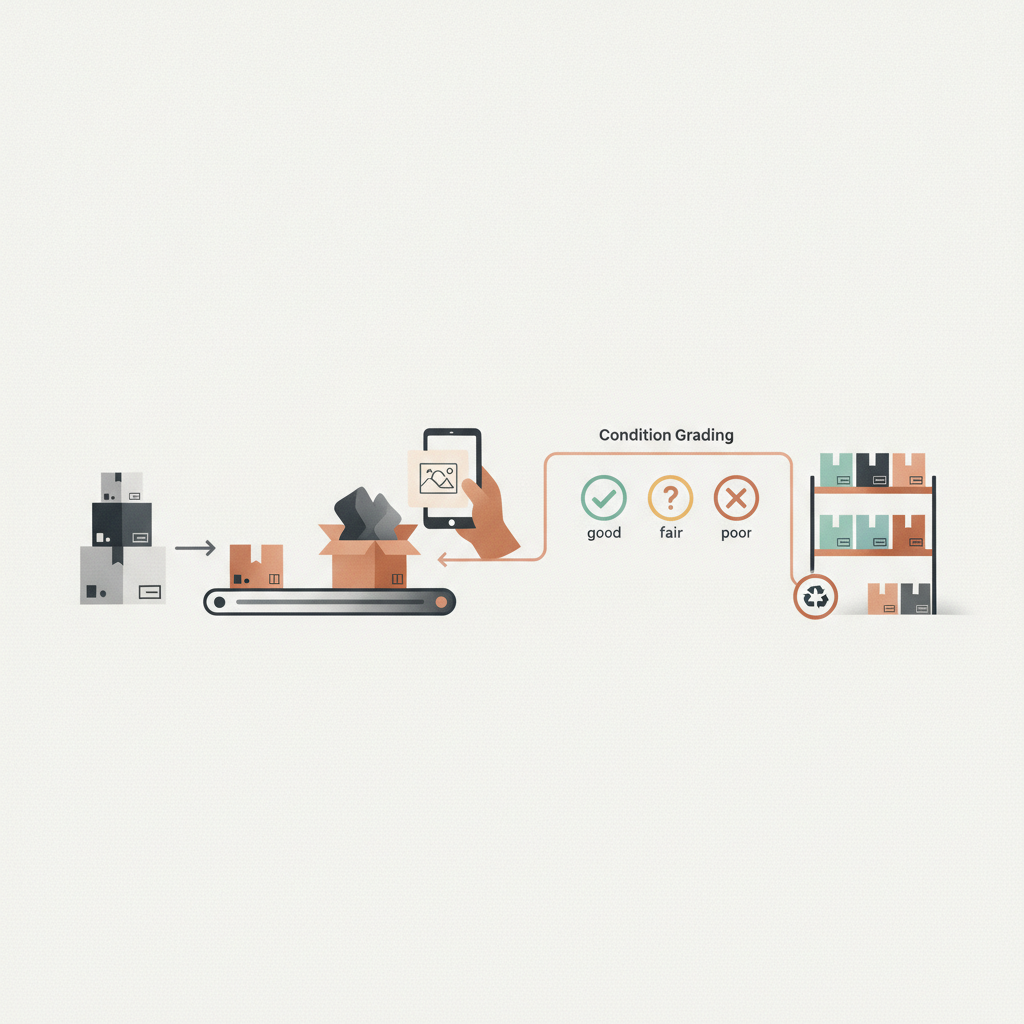
Carrier cost only matters in the context of what happens to the item after it lands. A parcel graded A or B, headed for restock, needs to move fast: every day in transit is a day closer to markdown. A parcel graded C or R, headed for liquidation or donation, does not need the same urgency, and routing it on a slower, cheaper service makes more sense. areturnz's AI grading runs at about 99.6% match accuracy against operator review, which means disposition decisions, and the shipping urgency tied to them, are reliable enough to automate the routing choice rather than defaulting every parcel to the fastest (and most expensive) lane.
This is also where the true cost of outsourcing returns processing gets misunderstood. A quote that looks cheap on paper can hide a carrier markup that erases the savings once volume scales. Ask any vendor for the carrier contract structure specifically, not just a blended per-return rate.
Cross-border adds a second layer
International returns compound the carrier question with duty, customs brokerage, and currency handling. The cross-border returns math post covers that in depth, but the short version for this discussion: cross-border carrier contracts need separate negotiation from domestic ones, because the cost structure (brokerage fees, customs holds, duty drawback eligibility) behaves nothing like a domestic ground shipment.
What to ask before renegotiating a carrier contract
Three questions surface most of the savings opportunity in a carrier renegotiation conversation:
- What percentage of our returns currently ship on an expedited service level by default, regardless of item value?
- Where is our return volume concentrated geographically, and does our receiving facility sit inside or outside the cheapest zone tiers for that geography?
- Do we have grade-level or disposition-level data to route shipping decisions, or are we shipping every parcel the same way?
areturnz's evidence bundle, available in the dashboard and via signed-JSON API with webhooks, carries the grade and disposition data needed to answer the third question automatically. Retailers evaluating a partner network model can see a sample of that evidence structure directly.
Frequently asked questions
Does carrier choice really move the needle compared to other cost levers?
On its own, carrier optimization typically saves single-digit to low-double-digit percentage points on the shipping line. Combined with faster disposition (areturnz runs about a 48 hour median cycle from inbound scan to disposition) and accurate grading, the compounding effect on total return cost is larger than carrier choice alone would suggest.
Should every retailer use a regional returns hub to cut shipping cost?
Only if return volume is geographically concentrated enough to justify consolidation. A retailer with return volume spread evenly across the country may see less benefit from a single regional node than one with dense coastal or metro volume.
How does grading affect which service level a return ships on?
Items graded A or B that are headed for restock benefit from faster transit, since every day in transit is a day the item is not back on a shelf earning margin. Items graded C or R, headed for liquidation or donation, rarely need expedited service. Routing by grade keeps spend proportional to recovery value.Does areturnz manage carrier contracts for partners?
areturnz operates its own receiving and processing network, including the NJ-01 facility in East Hanover, New Jersey, with carrier relationships negotiated at network scale across 180K+ returns processed. Partners and brands get the benefit of that scale without negotiating carrier contracts themselves.
Where does shipping cost optimization fit relative to overall returns economics?
It is one line item inside a larger cost stack that includes carrying cost, grading accuracy, and disposition speed. The returns economics guide walks through how all of these pieces fit together into a full P&L view.
Want to see how carrier routing, grading, and disposition data connect in practice? Talk to areturnz about your current return volume and shipping lanes.
Related reading: Seasonal Staffing Economics: Labor Cost Per Return, Peak vs Off-Peak
Related reading: Oversized and Bulky Item Returns: The Economics of Large-Item Reverse Logistics
Pruebas en cada devolución
Fotos, un grado de estado con IA y una cadena de custodia completa, adjuntos a cada paquete y disponibles vía la API.