Buyer Trust for Resold Open-Box Items: What Actually Closes the Sale
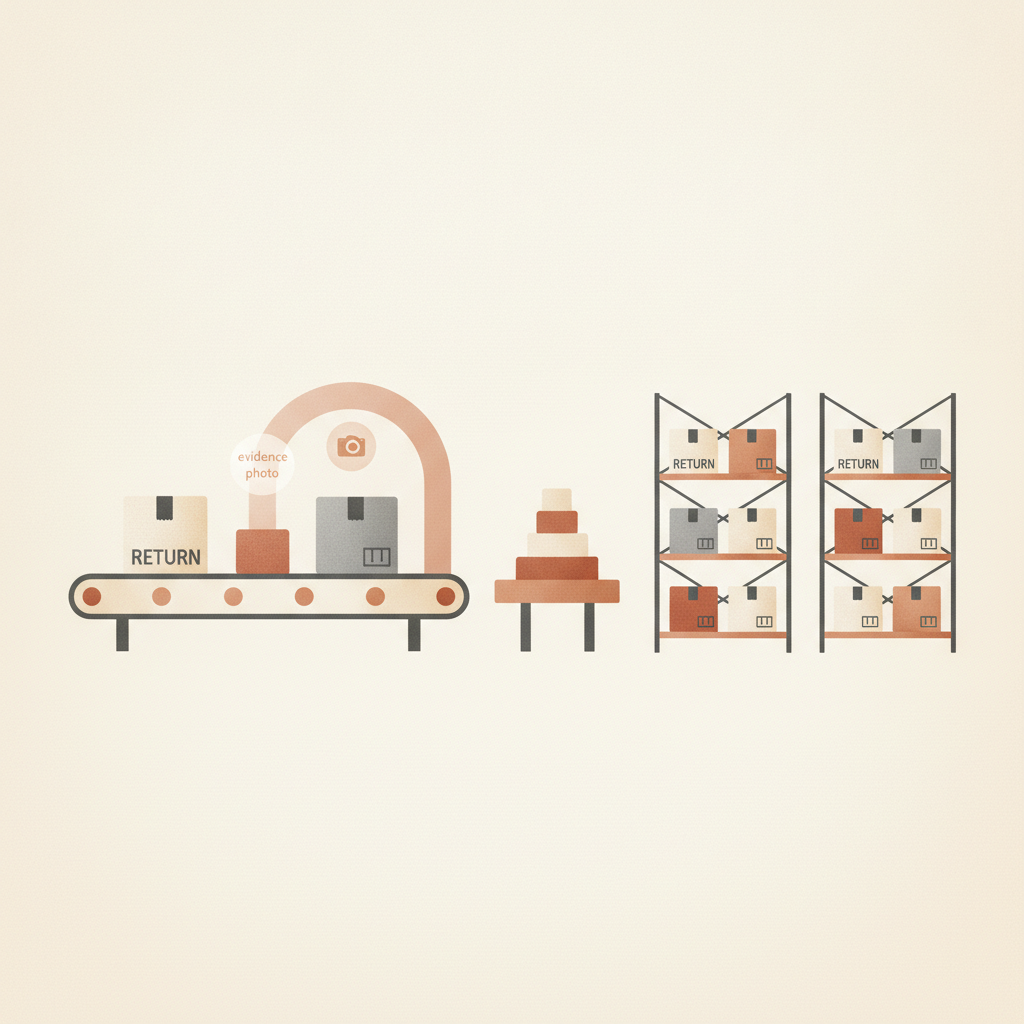
Buyer trust for resold open-box items comes from verifiable evidence, not from a seller's word or a generic condition label. areturnz builds that trust by photographing every returned parcel at intake (outer label, opened box, item, any defect), grading condition on an A/B/C/R scale with a confidence score, and attaching that evidence bundle to the item as it moves into resale. When a buyer can see what the grader saw, the discount stops feeling like a gamble.
Why open-box buyers hesitate
A new item photo comes from a studio. An open-box photo, if it exists at all, usually comes from a warehouse worker who snapped one angle before shipping. Buyers know this. They also know that "like new" and "good condition" mean different things to different sellers, and that a return desk's grading standard rarely matches the listing copy.
The result is a trust gap that shows up as cart abandonment, return-after-purchase rates, and price resistance even on genuinely clean units. Sellers respond by discounting harder, which erodes the margin recovery that resale was supposed to deliver in the first place.
What actually builds trust in a resale listing
Trust in secondhand and open-box commerce breaks down into three components: evidence, consistency, and recourse. Evidence means photos and a grade that were captured at receiving, not staged later. Consistency means the same grading standard applies across every unit, every category, every day. Recourse means the buyer has something to point to if the item does not match what was promised.
Evidence captured at the moment of truth
areturnz photographs each parcel as it is received, not after it has been repackaged or handled by a third party. That timestamped photo set becomes the visual record a buyer can check against the listing. It is the same discipline described in why every return should ship with proof, applied specifically to the resale side of the return lifecycle.
A grading standard that does not drift
The A/B/C/R grade on a resold item is not an opinion from whoever happened to be on shift. It comes from a model trained across more than 180,000 processed returns, checked against operator review at a 99.6% AI-versus-operator match rate. That consistency matters more to buyer trust than any single photo, because it means a B-grade jacket from one batch looks and performs like a B-grade jacket from another.
Recourse when something looks off
Even with strong grading, disputes happen. A buyer who receives an item and thinks it was misgraded needs a fast, evidence-backed answer, not a runaround. That is the same evidence bundle approach covered in killing the item not as described dispute: chain-of-custody photos and grading data settle the question in hours instead of a drawn-out claims process.
How the ABCR grade translates into buyer confidence
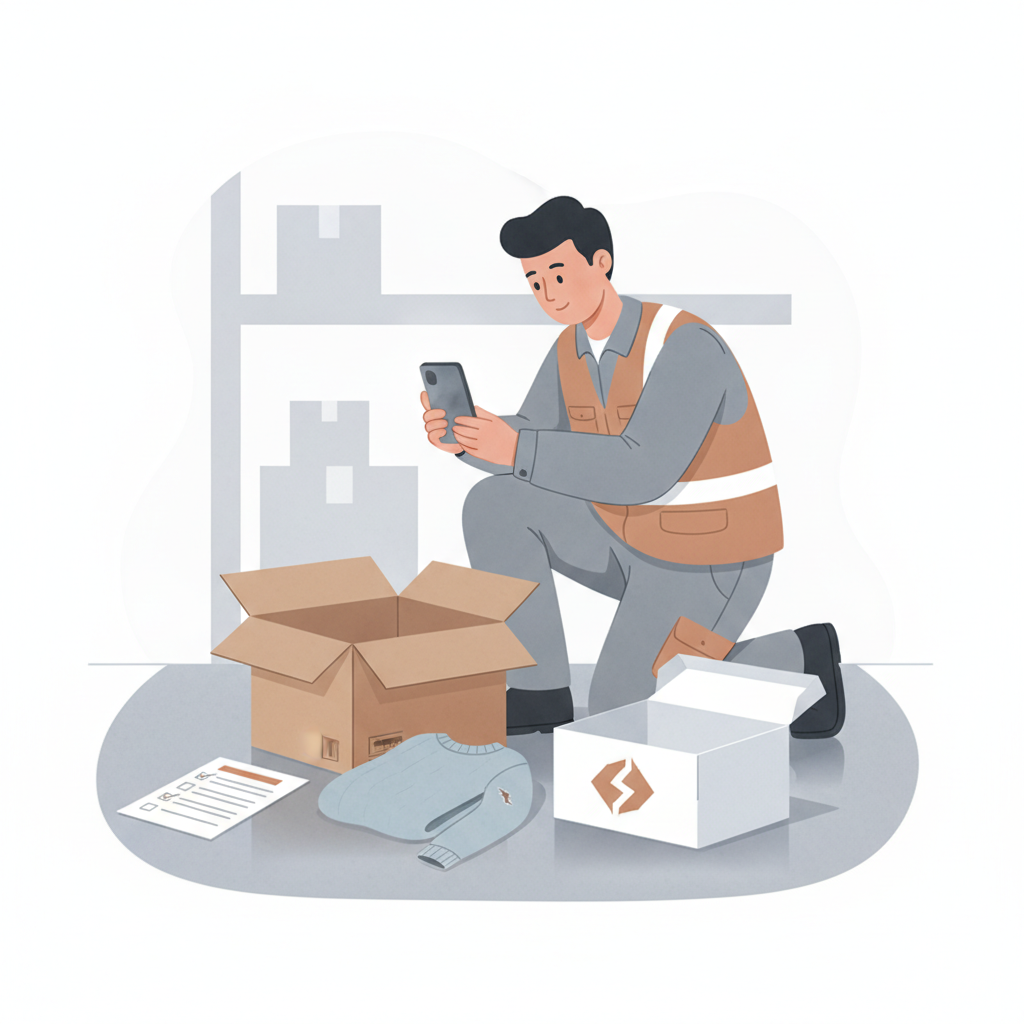
Buyers do not need to understand machine learning to trust a grade. They need the grade to mean the same thing every time and to come with proof. The table below shows how each grade maps to what a resale buyer should expect to see and receive.
| Grade | What it signals to a buyer | Typical evidence included | Usual resale path |
|---|---|---|---|
| A | Functionally and cosmetically new, opened but unused | Outer label, opened parcel, full item photo set | Resold near full price with open-box disclosure |
| B | Light wear or minor cosmetic marks, fully functional | Item photos plus close-up of noted marks | Resold at moderate discount, wear called out |
| C | Visible wear or missing minor accessories, still usable | Item photos plus defect and missing-component tags | Resold at deeper discount or bundled |
| R | Not resellable as-is | Full defect documentation | Liquidation, donation, or destruction with certificate |
What partners can show buyers directly
Every graded return in the areturnz network carries a signed-JSON evidence record, accessible in the dashboard or through the API with webhooks. A retailer or marketplace reselling open-box inventory can expose a version of that evidence, the grade, the confidence score, and the relevant photos, directly in the product listing. That turns a vague condition label into something closer to a vehicle history report: specific, timestamped, and checkable.
This is also why the 48 hour median cycle from inbound scan to disposition matters for resale trust, not just for speed. Faster grading means listings go live while the item and its evidence are still fresh, and buyers see documentation that matches the current state of the product rather than a stale description.
Partners building resale programs on this evidence layer can see the fuller picture in our evidence and trust coverage, and can review how the model applies to reseller and platform relationships in the partner use cases.
Putting the evidence bundle in front of buyers
Some sellers show buyers a summary grade and a couple of photos. Others expose the full bundle, including the confidence score, on request. Either approach works better than an unverified label, but the second tends to reduce post-purchase disputes further because there is nothing left for a buyer to question. You can see what a full bundle looks like on the evidence sample page, and pricing for building this into a resale or partner program is outlined on the pricing page.
Frequently asked questions
Does showing buyers a lower grade hurt conversion?
Generally no. Buyers respond better to an honest C-grade with clear photos than to an unverifiable "good condition" label. Accurate grading reduces post-purchase disputes and return-after-purchase rates, which protects margin more than a slightly higher price would.
How is the ABCR grade different from a generic condition scale?
The grade is produced by an AI model checked against operator review at a 99.6% match rate, applied consistently across more than 180,000 processed returns. It comes with a confidence score and photo evidence rather than a one-word judgment call.
Can buyers see the actual evidence, or just the grade?
Partners choose how much to expose. Some show a grade and photo excerpt in the listing; others link out to the full signed-JSON evidence bundle. Both options are available through the dashboard and API.
What happens if a buyer disputes the grade after purchase?
The receiving-time photo set and grading data settle most disputes quickly, since the evidence was captured before the item shipped for resale, not after a claim was filed.
Does this evidence approach work across categories like apparel and electronics?
Yes. The photo and grading workflow applies across categories, with tags and defect detection tuned per category so the evidence a buyer sees is relevant to what they are actually buying.
Ready to see how documented grading and evidence can raise trust in your resold open-box inventory? Talk to areturnz about building this into your resale or partner program.
Related reading: Chain of custody audit trails: proving where every returned unit went
Related reading: Marketplace Seller Return Fraud: Closing the INAD Loophole With Evidence
Pruebas en cada devolución
Fotos, un grado de estado con IA y una cadena de custodia completa, adjuntos a cada paquete y disponibles vía la API.


