Evidence Bundles for B2B and Wholesale Returns
An evidence bundle for B2B and wholesale returns is a per-unit (or per-case) record of photos, condition grade, quantity verification, and disposition history that a brand or retailer can hand to a trading partner to resolve a deduction, a shortage claim, or a damage dispute without relying on anyone's memory. At areturnz, every return in the network, consumer or wholesale, gets this treatment: photographed at receiving, graded A/B/C/R by AI with a confidence score, and packaged into a signed-JSON record available in the dashboard or via API with webhooks.
Why wholesale returns need a different evidence standard
Consumer returns evidence usually answers one question: was this single item as described. Wholesale and B2B returns raise a longer list of questions, often months after the fact. Did the retailer actually ship back the quantity they claimed on the deduction? Was the damage present at receiving or did it happen in the retailer's own warehouse? Which PO or routing guide does this return apply against? A vendor compliance chargeback can arrive 60 or 90 days after a pallet left your dock, and by then the only thing standing between you and an unearned deduction is documentation.
That is the gap a consumer-grade returns portal does not close. A portal captures a tracking number and maybe a reason code. It does not capture what was actually inside the carton when it hit the receiving dock, case by case, at the unit level, with a timestamp and an operator or AI grade attached.
What goes inside a B2B evidence bundle
A wholesale-ready evidence bundle needs more structure than a single-item consumer record because the dispute is usually about quantity and condition across many units at once, tied back to a specific order.
| Component | Consumer return record | B2B / wholesale evidence bundle |
|---|---|---|
| Unit identification | Order number, SKU | PO number, SKU, lot/serial where applicable, case or pallet ID |
| Photo evidence | Outer label, item | Outer label, opened case, per-unit photos, pallet or carton-level overview |
| Condition grading | A/B/C/R with confidence score | A/B/C/R per unit, aggregated to case and shipment level |
| Quantity verification | Usually assumed correct | Received count vs. manifest count, discrepancy flagged |
| Disposition | Restock, liquidate, donate, or destroy | Same, plus routing back to vendor compliance or deduction workflow |
| Audit trail | Scan to grade timeline | Full chain of custody from inbound scan through final disposition, with operator overrides logged |
The pattern mirrors the chain of custody audit trail areturnz builds for every parcel, just scaled to the carton and pallet level that wholesale volume demands.
Vendor deductions and chargebacks: where the bundle earns its keep
Retail vendor compliance programs issue deductions for shortages, damages, and non-compliant packaging, often as a flat percentage against an invoice rather than a line-item accounting. Without evidence, a brand either eats the deduction or spends days reconstructing what happened from emails and warehouse notes. With a time-stamped bundle showing exactly what arrived, in what condition, and in what quantity, a brand can contest the specific units in question rather than the whole invoice.
This is the same discipline areturnz applies on the consumer side when closing item not as described disputes or building a dispute-ready evidence dossier. The difference for B2B is scale: a single wholesale shipment might generate hundreds of unit-level records that need to roll up cleanly into one case file for the trading partner's compliance team.
Shortage claims and quantity verification
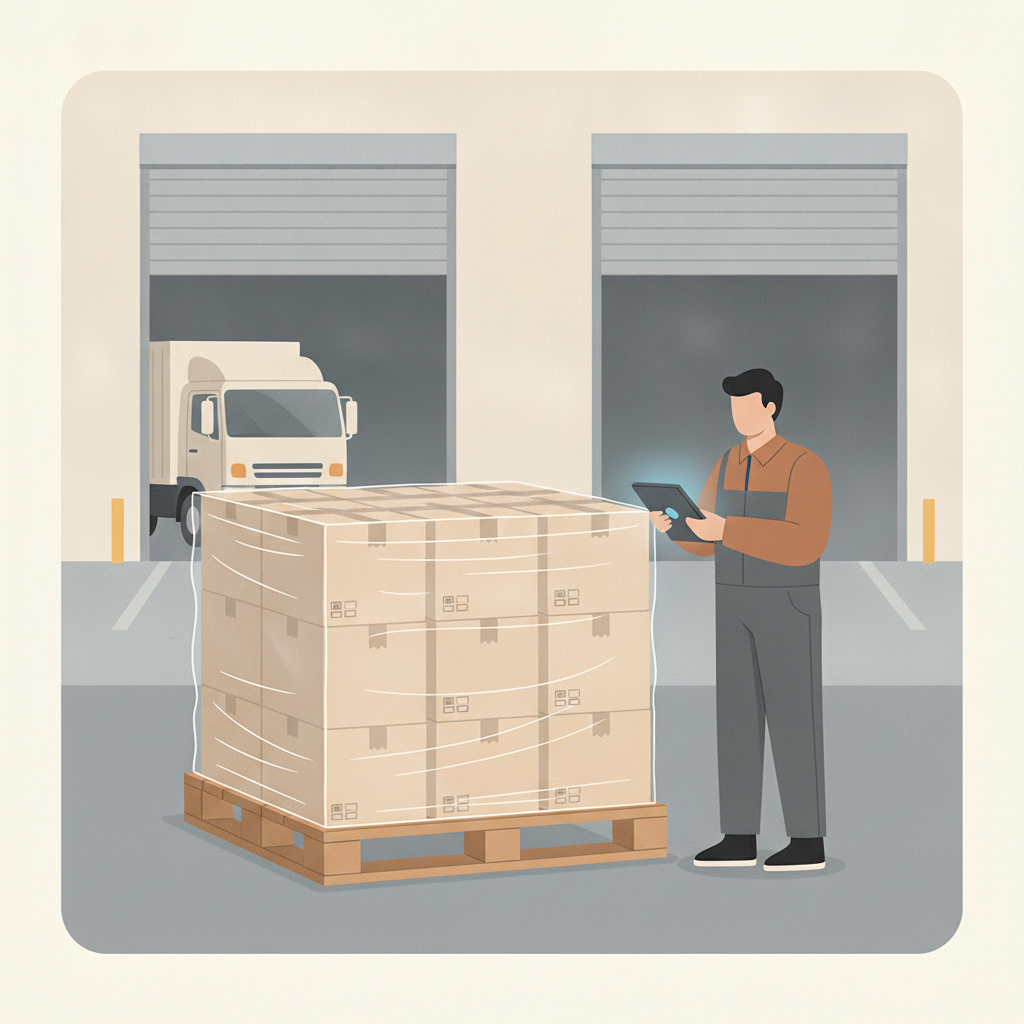
Quantity disputes are common with bulk wholesale returns because manifests get keyed by hand or generated before final pack-out. A bundle that logs received count against expected count at the case level, with photo proof of carton contents, turns a he-said-she-said shortage claim into a documented reconciliation.
Damage claims across mixed loads
Mixed pallets, where SKUs and condition vary carton to carton, need per-unit grading rather than a single blanket condition note for the whole shipment. AI grading at areturnz assigns A/B/C/R per unit with a confidence score, which is what lets a brand separate the 92 percent of a pallet that is sellable from the small percentage that genuinely arrived damaged.
How areturnz builds the bundle in practice
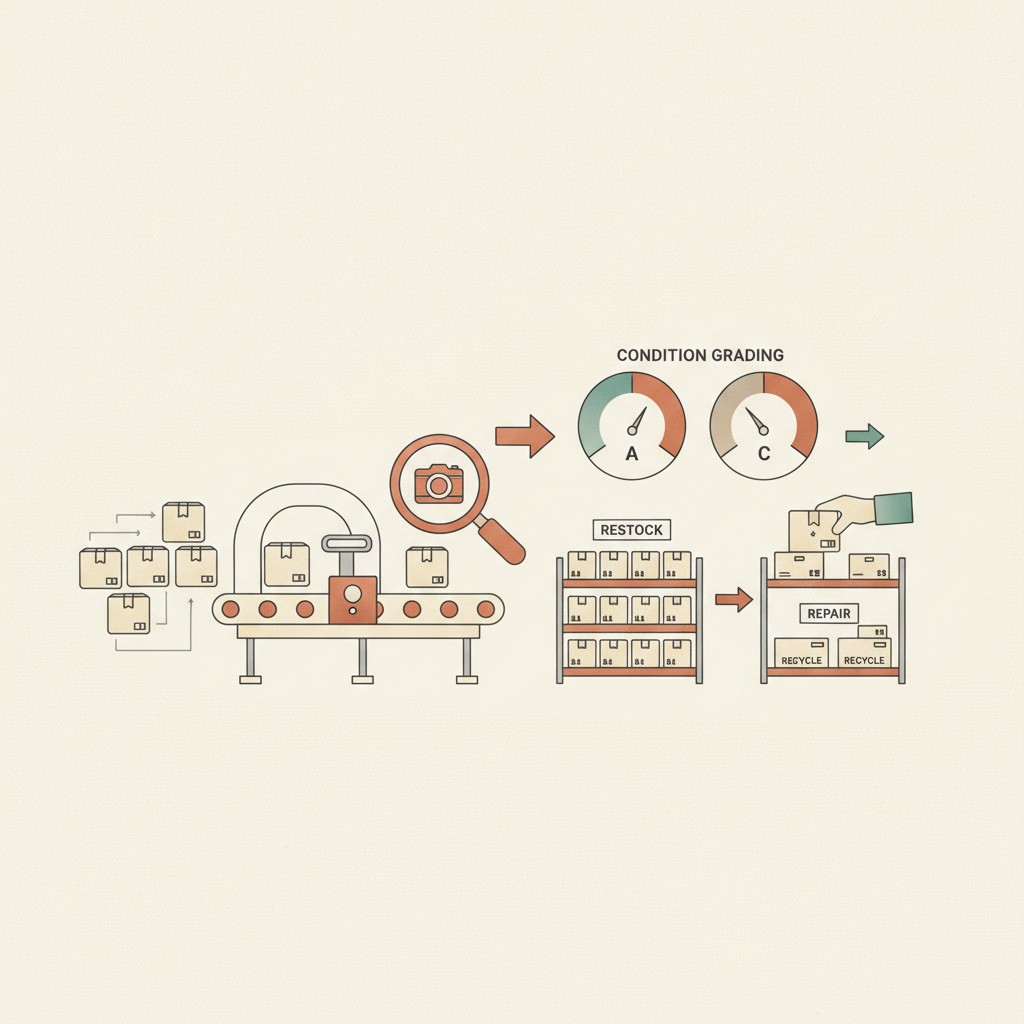
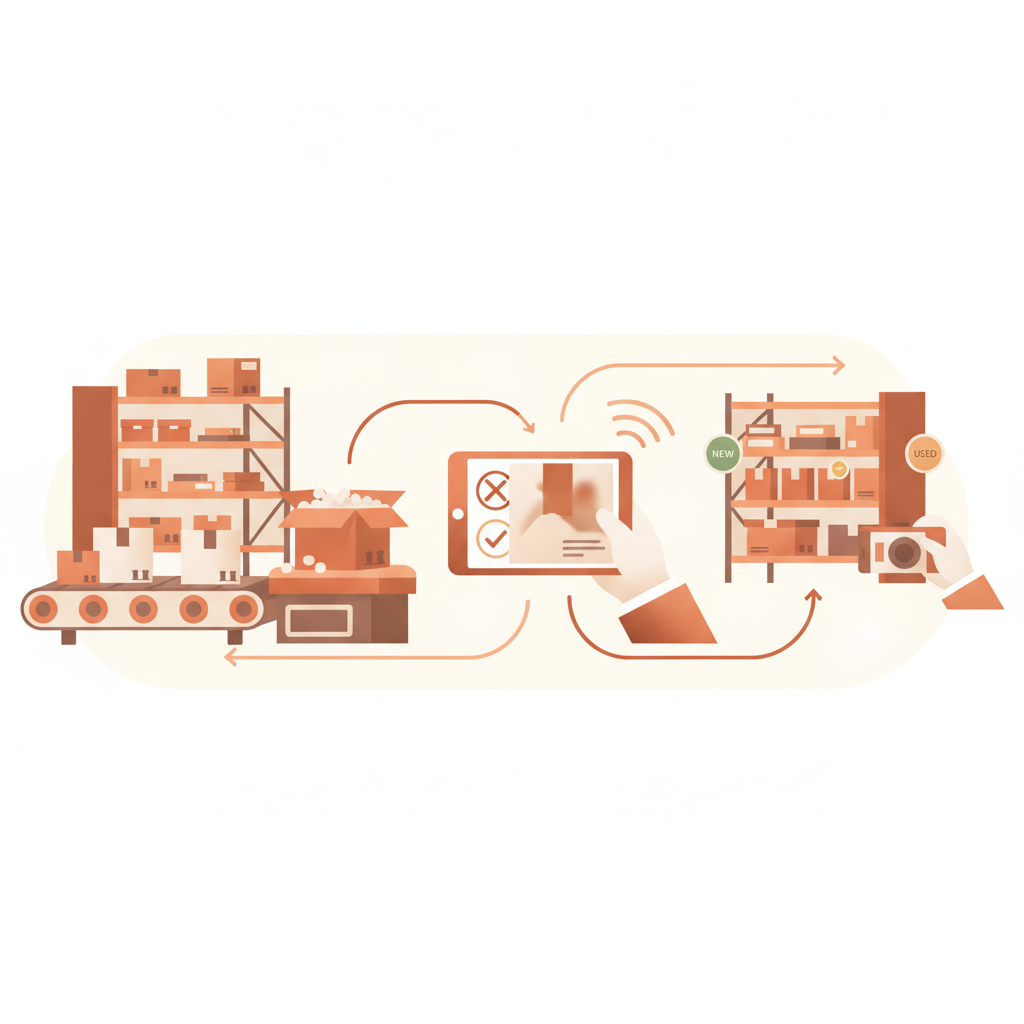
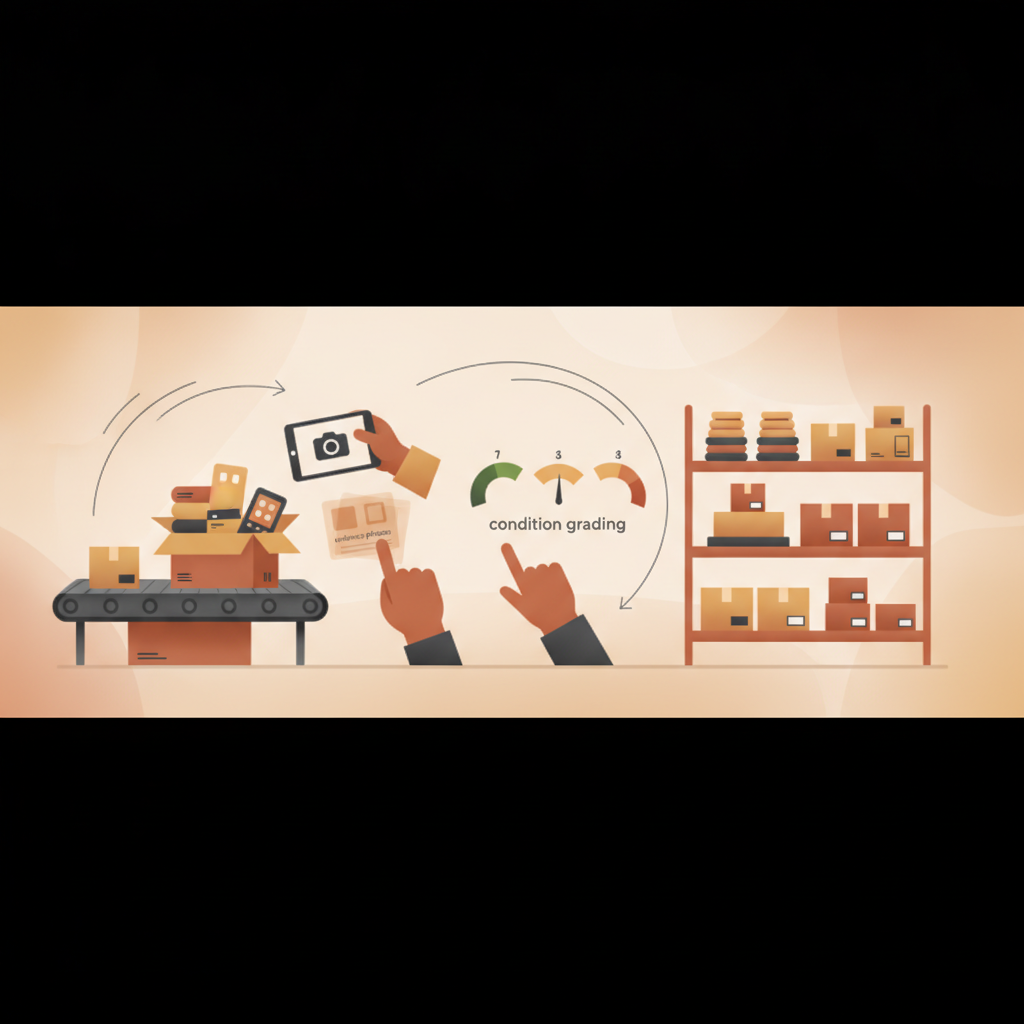
Every return entering an areturnz facility, including the NJ-01 facility in East Hanover, New Jersey, is photographed at receiving: outer label, opened parcel or carton, item, and any visible defect. AI grading runs against that photo set and assigns a condition grade with a confidence score, matching operator judgment about 99.6 percent of the time across more than 180,000 returns processed. Disposition rules then route each unit, restock, liquidate, donate, or destroy, with any human override logged against the AI recommendation.
The median cycle from inbound scan to disposition decision runs about 48 hours. For wholesale volume, that speed matters because deduction response windows are often short, and having the evidence ready before the dispute letter arrives beats scrambling to reconstruct it afterward. The full bundle, including the destruction certificates and duty drawback documentation covered in closing the compliance loop, is available through the dashboard or pulled programmatically via the signed-JSON API with webhooks.
You can see what a real bundle looks like on the evidence sample page, and partners running returns for multiple brands or retail accounts can review integration and pricing details on the pricing page or the partner use cases page.
This whole approach sits under the broader evidence and trust framework areturnz applies to every return in the network, consumer and wholesale alike: photograph everything, grade with AI and a confidence score, log every override, and make the record available before anyone has to ask for it.
Frequently asked questions
How is a B2B evidence bundle different from a consumer returns dossier?
Both use the same underlying data: photos, AI grading, and a chain of custody. The B2B version adds PO and case-level identification, quantity reconciliation against a manifest, and a format that rolls up cleanly for a vendor compliance or deductions team rather than a single customer-service agent.
Can areturnz handle mixed pallets with multiple SKUs and condition levels?
Yes. Grading happens at the unit level, so a mixed pallet can show a range of A, B, C, and R grades with confidence scores for each unit rather than one blanket condition for the whole load.
How fast can we get evidence after a wholesale return arrives?
The median cycle from inbound scan to disposition decision is about 48 hours. Evidence, photos, grades, and disposition records are visible in the dashboard as soon as each unit clears grading, not only after the full shipment is processed.
Does the evidence bundle support deduction and chargeback disputes with retail trading partners?
Yes. The time-stamped photos, quantity verification, and grading records are built specifically to let a brand contest a specific deduction line rather than accept a blanket percentage chargeback.
Is this available through an API for teams managing returns across multiple vendors?
Yes. The same signed-JSON API and webhooks that power consumer evidence bundles cover B2B and wholesale returns, so a compliance or finance team can pull records programmatically instead of exporting from a dashboard by hand.
If you are dealing with vendor deductions or wholesale return disputes and want to see how an evidence bundle would look for your volume, get in touch with areturnz.
Related reading: Evidence for Warranty and Manufacturer Claims: Beyond the Insurance Use Case
Pruebas en cada devolución
Fotos, un grado de estado con IA y una cadena de custodia completa, adjuntos a cada paquete y disponibles vía la API.