AI Condition Grading Explained: The ABCR System Behind Every Return
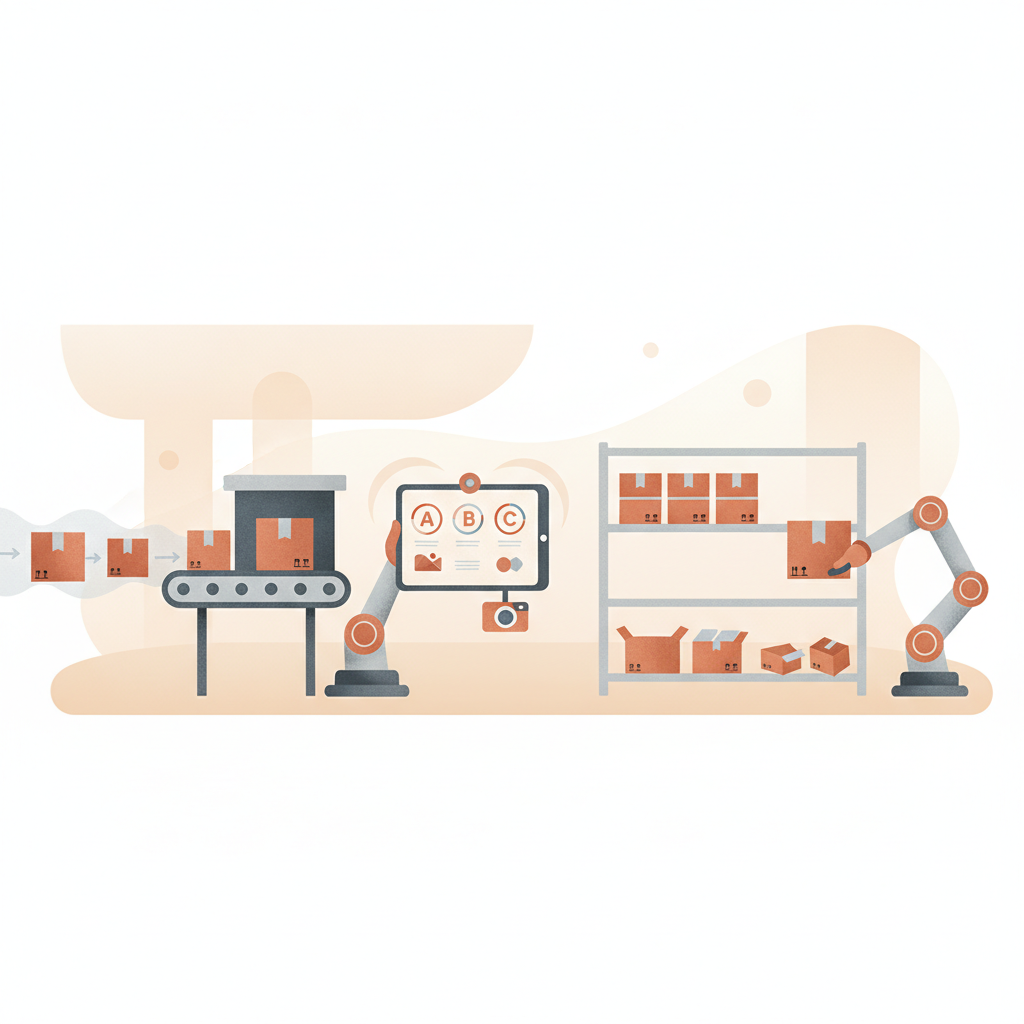
AI condition grading is the process of using computer vision and machine learning to inspect a returned item, assign it a standardized condition grade, and attach a confidence score to that call, so a human doesn't have to eyeball every parcel to decide what happens next. At areturnz, every return that hits a dock gets graded A, B, C, or R within the same workflow that photographs the outer label, the opened parcel, the item itself, and any defect, and that grading now runs at 99.6% match accuracy against trained human operators across more than 180,000 processed returns.
This page is the hub for everything we publish on grading: how the scale works, how confidence scoring keeps the system honest, how grading differs across categories like apparel and electronics, and how a grade becomes a disposition decision. If you're new to the topic, start here. If you already know the basics, use the links below to jump to the deeper posts.
What AI condition grading actually does
Grading exists to answer one question fast: is this item resellable, and at what value? Before AI grading, that question sat with a warehouse worker holding a clipboard, working from memory and mood. Judgment calls varied by shift, by fatigue, by how busy the floor was that day. The result was inconsistent restock decisions and margin leaking out the back door in the form of items that should have been restocked but got liquidated instead, or the reverse.
Our system replaces that guesswork with a repeatable pipeline. A camera captures the item from multiple angles during receiving. A model trained on hundreds of thousands of labeled images scores condition, flags defects, and checks the item and quantity against what the return was supposed to contain. The output is a grade, a confidence percentage, and a set of detected tags (stain, missing accessory, box damage, and so on) that explain why the model called it the way it did.
The ABCR scale, explained
Every grade in our system maps to a resale or disposition path. The table below is the plain-English version of what each letter means and what usually happens next.
| Grade | Condition meaning | Typical disposition | Evidence attached |
|---|---|---|---|
| A | Like new, original packaging intact, no wear detected | Restock at full or near-full value | Outer label, unboxing, item close-up |
| B | Light wear or minor packaging damage, fully functional | Restock as open-box or discounted resale | Item photos plus defect tag notes |
| C | Noticeable wear, cosmetic damage, or missing minor accessory | Liquidation channel or bulk resale | Defect close-up and condition tags |
| R | Damaged beyond resale, recalled, or fails safety check | Donate or destroy, with certificate on request | Full evidence bundle plus operator note |
Grades aren't a black box. Every one ships with a confidence score, and every return has a photographed evidence trail you can pull from the dashboard or the signed-JSON API. Our deep dive on how the ABCR scale works walks through the model logic in more detail, including how tags get generated.
Why the confidence score matters more than the grade alone
A grade without a confidence number is just an opinion dressed up as data. Our model attaches a confidence score to every call, and that number decides how much human review a return gets. High-confidence grades flow straight to disposition. Lower-confidence calls route to an operator queue for a second look before anything ships or gets destroyed.
That routing logic is what gets us to 99.6% match accuracy between the AI grade and what a trained operator would independently assign. It also means the system gets more conservative exactly when it should, on ambiguous damage, unusual SKUs, or categories the model has seen less of. Our post on confidence scores beating gut calls on the grading line covers how calibration works and why a lower confidence threshold on a new product category isn't a bug, it's the system doing its job.
Grading looks different by category
Apparel grading leans heavily on visual wear, staining, and tag or label presence. Electronics grading has to verify function signals and packaging completeness, not just cosmetic condition, since a scratched box with a fully working device is a very different call than a cracked screen. Beauty and personal care returns carry their own rules entirely, since a used or opened item usually can't be restocked at all regardless of cosmetic grade, for hygiene and liability reasons.
This is one reason a generic returns portal or a label-generation tool can't do what grading requires. Grading has to be trained per category, checked for content and quantity, and tied to a disposition rule set that reflects real resale and compliance constraints, not just a photo and a shrug.
From grade to decision: how disposition rules take over
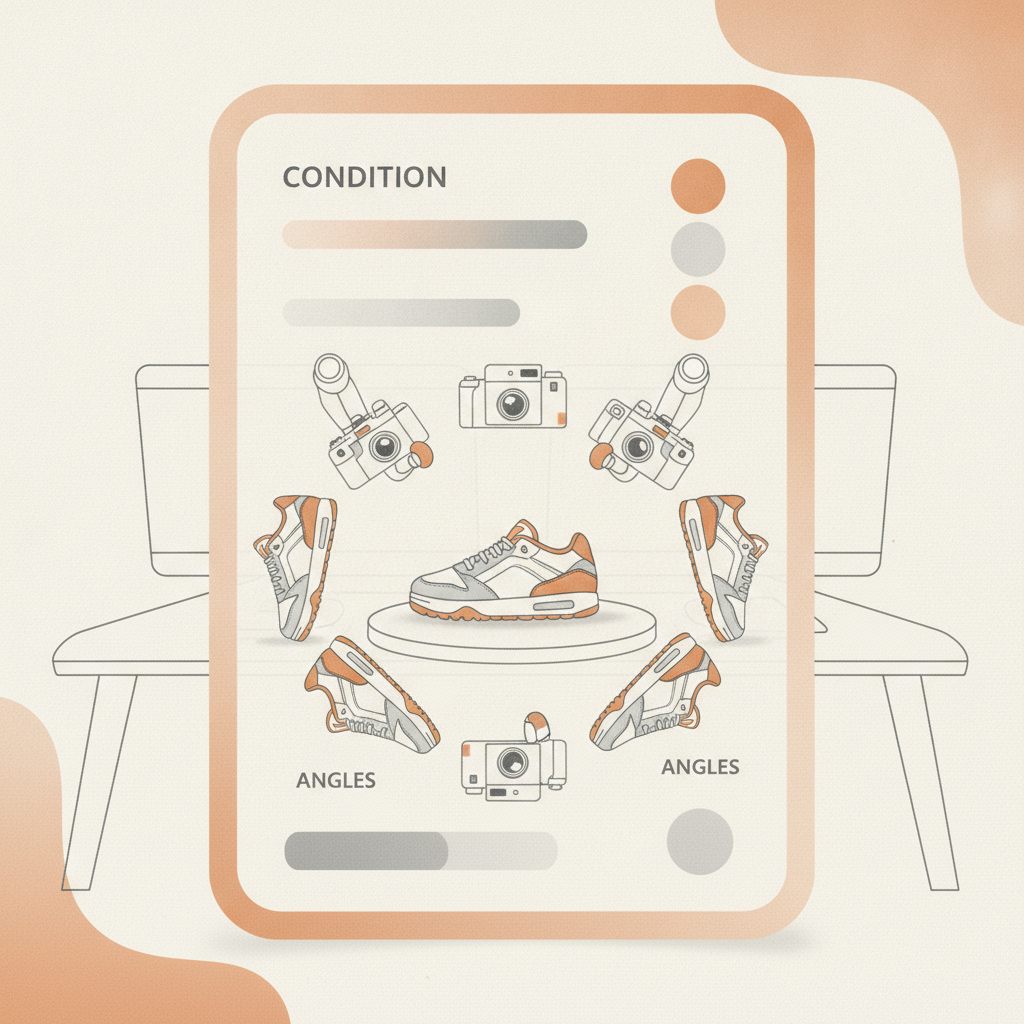
A grade by itself doesn't move a parcel. Disposition rules do. Once an item has a grade and a confidence score, a rule set decides whether it gets restocked, sent to liquidation, donated, or destroyed, and any operator override to that automatic call gets logged with a reason code. That's what keeps the median cycle time at about 48 hours from inbound scan to disposition, even at volume.
The rules themselves, and the way overrides get recorded for audit purposes, are covered in our post on turning grades into disposition decisions. If you're evaluating whether grading output is dispute-ready, our sample evidence bundle shows exactly what ships with a graded return, and our pricing page breaks down how grading and disposition roll into program cost.
Where AI grading fits for partners and brands
Brands, marketplaces, and 3PLs that route returns through areturnz don't have to build their own grading model or staff a full inspection team at every node. The grading pipeline, the evidence capture, and the disposition logic are the same whether you're a direct retailer or a partner reselling the service under your own brand. Our partner use cases page lays out how white-label partners plug into the same grading network without duplicating the infrastructure.
Explore the AI and Grading cluster
This hub sits at the center of everything we publish on grading. Start with the ABCR grading breakdown if you want the mechanics, move to confidence scoring on the grading line for the trust layer, and read disposition rules turning grades into decisions to see how a grade becomes an action. For the economics side of returns, our piece on the real cost of a return connects grading speed directly to margin recovery.
Frequently asked questions
What does the ABCR grade actually measure?
It measures resale condition on a four-point scale, from A (like new, full value restock) to R (not resalable, routed to donation or destruction). Each grade reflects visual condition, packaging completeness, and, where relevant, functional checks, all captured through photos taken at receiving.
How accurate is AI grading compared to a human?
Across more than 180,000 processed returns, our AI grade matches what a trained operator would independently assign 99.6% of the time. Lower-confidence calls get routed to a human review queue automatically, so accuracy stays high even on unusual or ambiguous items.
Does every graded return come with photo evidence?
Yes. Every parcel gets photographed at receiving, including the outer label, the opened parcel, the item, and any detected defect. That evidence bundle is available in the dashboard and via a signed-JSON API with webhooks, and it's what makes a grade defensible in a dispute.
Can operators override an AI grade?
Yes. Any operator override is logged with a reason, which is part of how we track the 99.6% match rate and keep the model honest over time. Overrides aren't hidden, they're part of the audit trail on the return.
How fast does grading happen after a return arrives?
Grading itself typically happens within minutes of the inbound scan. The full cycle from inbound scan to a final disposition decision runs about 48 hours at the median, across the full volume moving through our NJ-01 facility and network.
Want to see AI condition grading running on your own return volume? Contact areturnz to talk through your categories, your current cycle time, and what a graded, evidence-backed returns flow would look like for your program.
Related reading: Confidence calibration: how the grading model learns its own accuracy
Related reading: Grading Apparel vs Electronics vs Beauty: How ABCR Adapts by Category
Une preuve sur chaque retour
Des photos, un grade d'état par IA et une chaîne de traçabilité complète, rattachés à chaque colis et accessibles via l'API.


