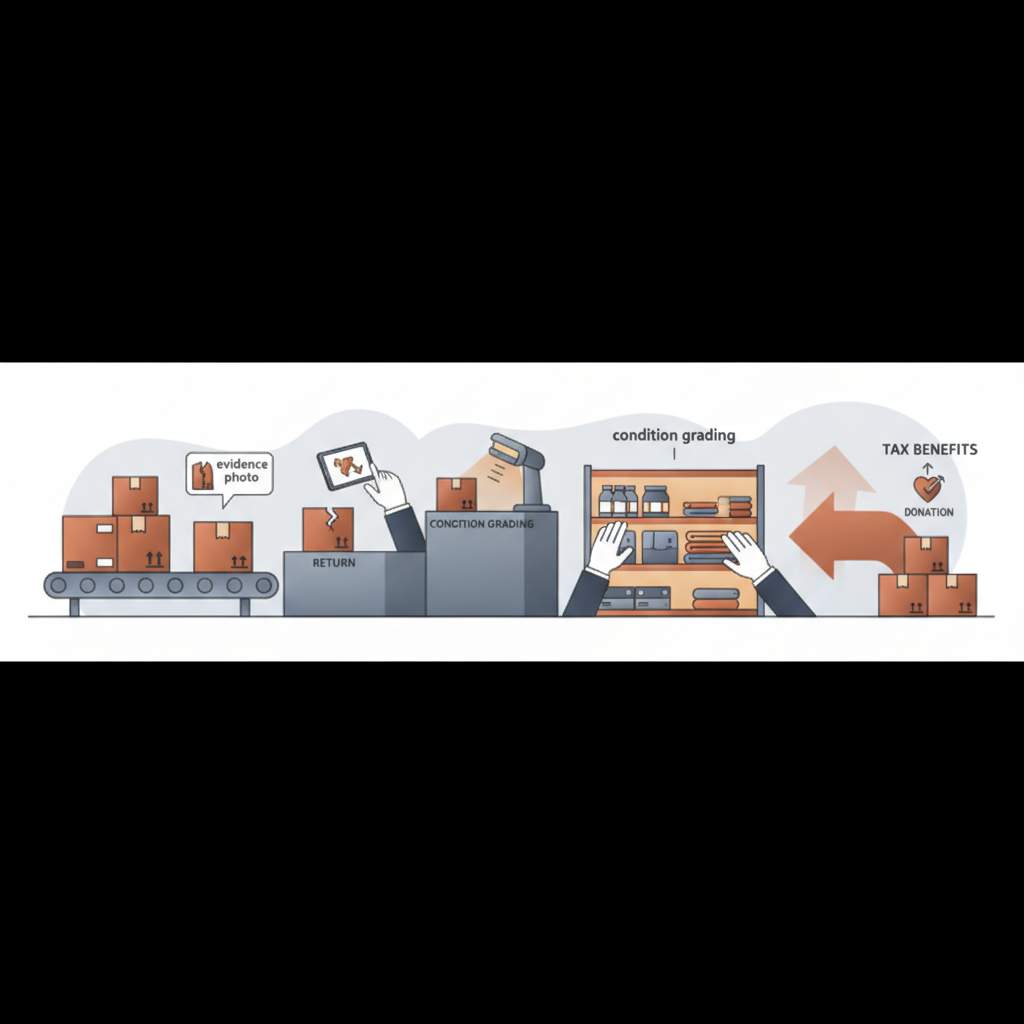
Return fraud: the patterns, the costs, and the evidence that stops them
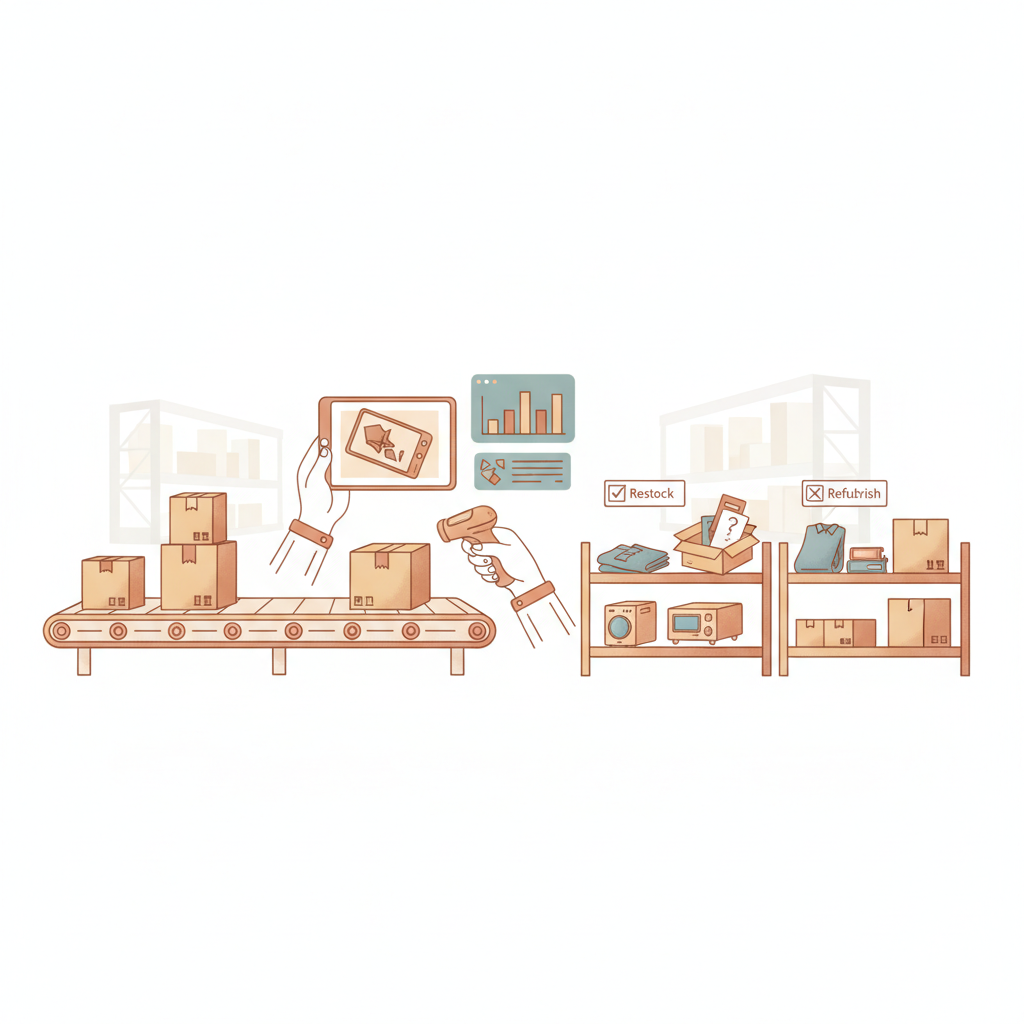
Return fraud is any attempt to get a refund, replacement, or credit for merchandise that doesn't match what was actually returned, whether that means an empty box, a swapped item, a stolen item run through a legitimate return, or a receipt that doesn't belong to the item in hand. areturnz treats every inbound parcel as a case that needs proof: a photo of the outer label, a photo of the opened parcel, a photo of the item itself, and a photo of any defect, all captured before a disposition is made. That evidence bundle is what turns a disputed claim into a closed one.
This piece is about the patterns that sit outside the two most talked-about categories: wardrobing (wearing an item and returning it as new) and the marketplace INAD loophole (claiming an item was not as described to force a refund without sending it back). Those have their own playbooks. This one covers the rest of the fraud surface: the stuff that hits apparel, electronics, beauty, and general merchandise sellers every week, often without anyone noticing until the chargeback report runs.
The patterns that don't get enough attention
Most fraud conversations stop at wardrobing because it's visible and relatable. But the returns desk sees a wider menu. Empty-box returns happen when a customer ships back packaging weighted to pass a scale check, with the actual item kept or resold. Item-swap fraud happens when a used, damaged, or counterfeit item gets returned in place of the original purchase. Receipt fraud covers stolen merchandise returned using a receipt photographed, reused, or bought off a receipt-generation site. Price-arbitrage fraud involves returning a cheaper item in a box labeled for a more expensive one, banking on nobody checking the SKU against the contents.
Then there's organized fraud: rings that coordinate across multiple accounts, addresses, and retailers to extract refunds at scale, often using stolen payment credentials or compromised loyalty accounts. None of these patterns require a dishonest customer service rep or a broken policy. They require a gap between what the policy assumes happened and what actually arrived at the dock.
| Pattern | How it works | Evidence signal that catches it |
|---|---|---|
| Empty box / weight fraud | Box returned with packaging material or unrelated weight standing in for the item | Photo of opened parcel showing contents, weight-to-photo mismatch flagged before grading |
| Item swap | Used, damaged, or counterfeit item substituted for the originally purchased unit | Item-level photo compared against SKU reference image and original order data |
| Receipt / proof-of-purchase fraud | Reused, forged, or photographed receipts attached to unrelated or stolen merchandise | Outer label and order ID cross-check against the evidence bundle at intake |
| Price-label arbitrage | Lower-value item shipped back in packaging or under a label for a higher-value SKU | SKU verification against AI-detected tags and item photo at receiving |
| Refund rings / account fraud | Coordinated returns across multiple accounts or addresses to extract refunds at volume | Pattern detection across the chain of custody audit trail and repeat-identifier flags |
What this actually costs
Return fraud and abuse combined are usually estimated in the tens of billions of dollars a year across US retail, and that number undercounts the quieter cost: operator time spent manually re-checking suspicious returns, chargebacks filed and partially lost, and the margin erosion from items that get refunded but never make it back to resale because nobody caught the swap before disposition. A single undetected item-swap case might only cost one retailer forty or fifty dollars. Multiplied across a volume program processing tens of thousands of returns a month, it adds up to a line item finance teams can actually see.
The harder cost to quantify is trust. When a brand can't tell its own team whether a given return was legitimate, every policy decision gets more conservative: shorter windows, stricter restocking fees, more manual review. That friction hits honest customers just as hard as fraudulent ones, which is its own kind of margin loss.
Why policy alone doesn't stop it
Return policies describe what should happen. They don't prove what did happen. A 30-day window, a restocking fee, a no-receipt-no-refund rule: all of these assume someone downstream is actually verifying the parcel against the claim. In most returns operations, that verification step is a visual glance by an overworked receiving clerk, not a documented check. areturnz's own data across 180,000-plus processed returns shows why that gap matters: AI grading, backed by photo evidence at intake, holds a 99.6% match rate against trained human operators, which means the signal needed to catch a swap or an empty box is usually there in the data. It's just not being captured or checked consistently without a system built to do it on every single parcel.
The evidence stack that actually stops fraud
Stopping return fraud at scale comes down to documenting the parcel the moment it arrives, before anyone has a chance to argue about what was inside it. areturnz builds this into the receiving workflow itself:
Photo evidence at every stage
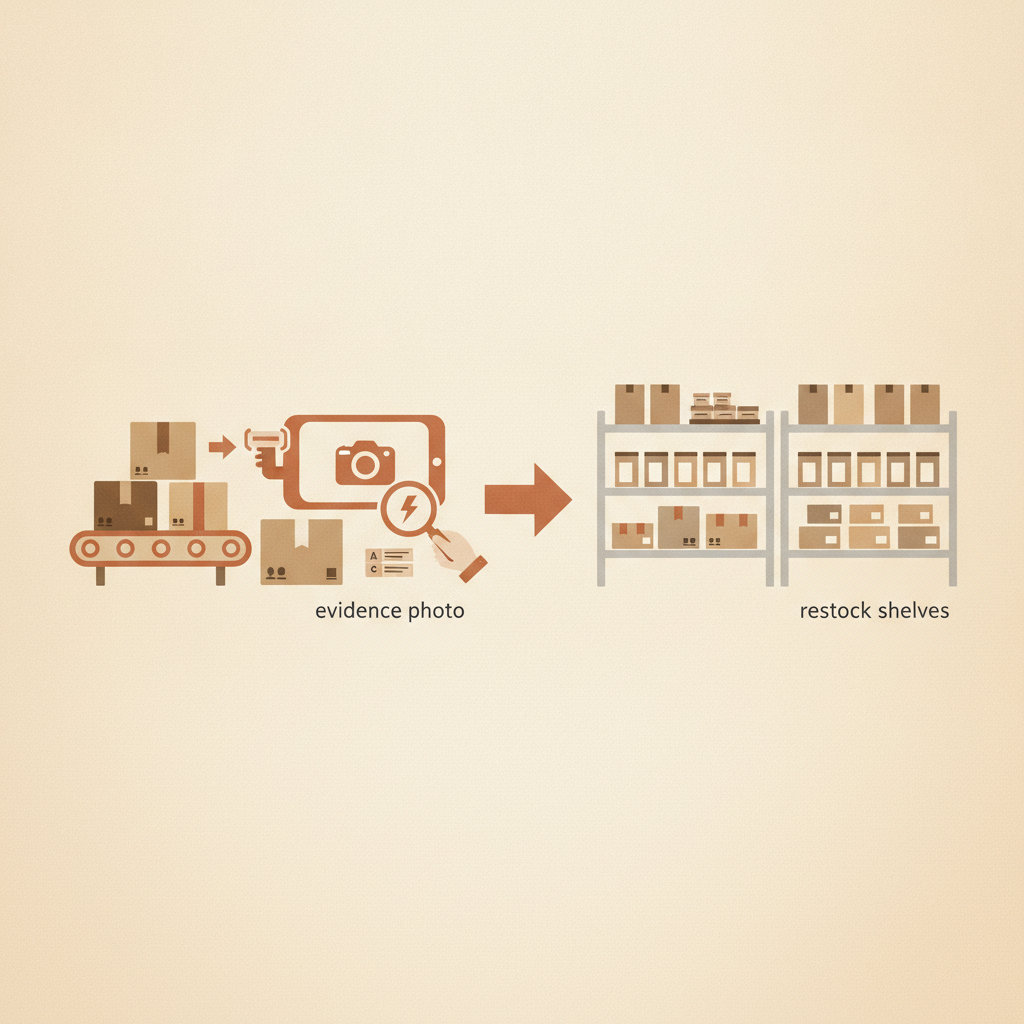
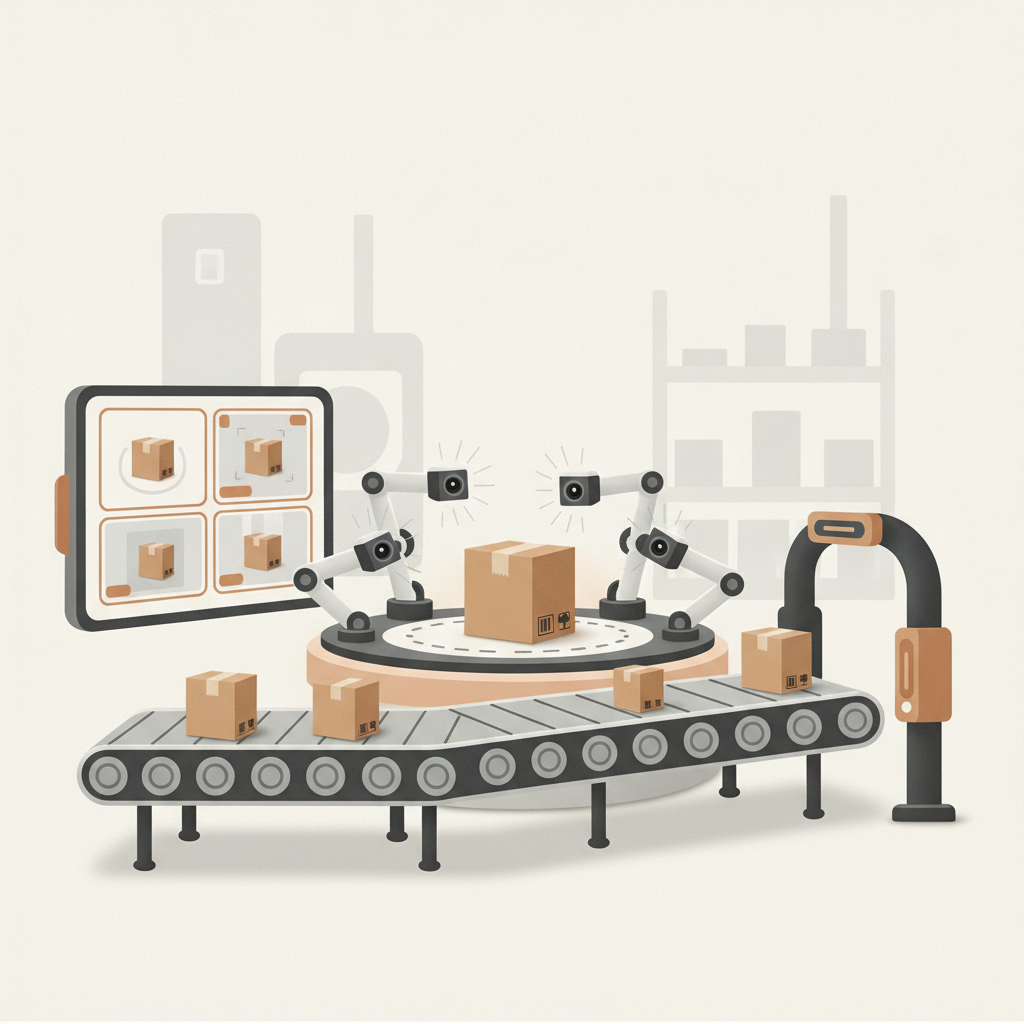
Every return gets four photos minimum: the outer shipping label, the opened parcel, the item itself, and any visible defect. That sequence alone eliminates most empty-box and item-swap fraud, because the claim and the physical contents are documented in the same record, timestamped at intake.
AI grading with a confidence score
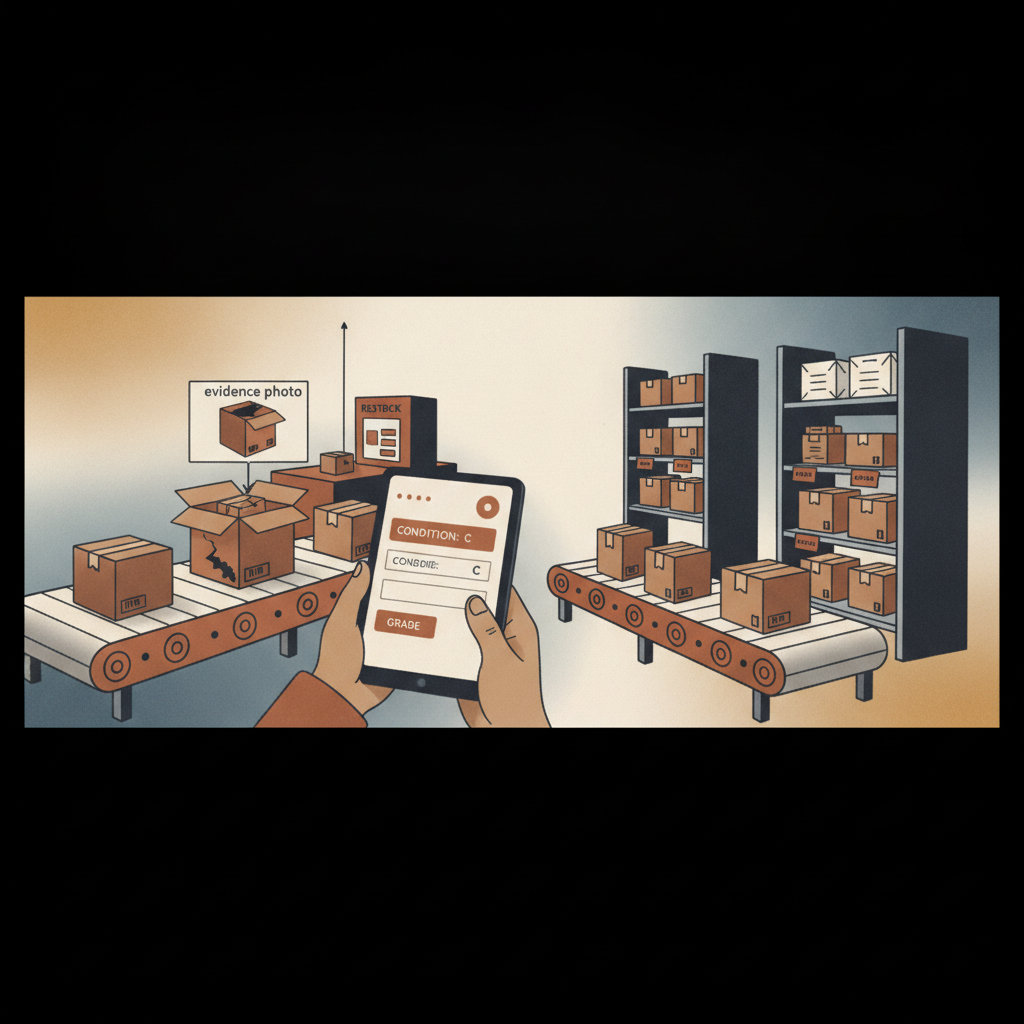
Each item gets graded A, B, C, or R based on condition, with a confidence score attached. Low-confidence grades route to human review automatically. Detected tags (missing components, mismatched SKU, signs of prior use) get flagged before disposition, not after a refund has already gone out.
Chain of custody
From inbound scan through disposition, every handoff is logged. If a dispute surfaces three weeks later, the full history of who touched the item and what it looked like at each stage is retrievable, not reconstructed from memory.
Disposition rules with human override logged
Grades route automatically to restock, liquidate, donate, or destroy, but any operator override is recorded against the original AI call. That log is what lets a fraud or finance team audit patterns over time instead of trusting a single reviewer's word.
For a look at what one of these evidence bundles actually contains, see the sample evidence bundle. For the deeper framework on how disputes get closed with this data, the evidence and trust guide covers the full system this article sits inside.
Building a fraud-resistant return workflow
A few structural choices make the biggest difference for teams trying to close this gap without slowing down legitimate returns:
- Photograph every parcel at intake, not just the ones that look suspicious. Fraud patterns are often invisible until compared against a baseline across hundreds of returns.
- Grade condition with AI and a documented confidence score, so low-confidence or anomalous returns route to a human before disposition instead of after a refund.
- Keep a chain of custody that survives a chargeback or dispute filed weeks later. A 48 hour median cycle from inbound scan to disposition only helps if the record behind it is complete.
- Log every operator override against the original AI grade. Patterns in overrides often reveal where fraud is slipping through a specific SKU category or receiving shift.
- Review the API and webhook data for repeat identifiers: same address, same device fingerprint, same payment method across accounts. This is where organized fraud rings get caught, not at the individual-return level.
Retailers running this kind of program through a partner network, rather than building it in-house, can see how the economics compare on the partner use cases page, and current program pricing is listed on the pricing page.
Frequently asked questions
Is return fraud the same thing as wardrobing?
No. Wardrobing is a specific pattern where a customer uses an item and returns it as new. Return fraud is the broader category that also includes empty-box returns, item swaps, receipt fraud, price-label arbitrage, and organized refund rings. areturnz covers wardrobing separately in its own detection playbook.
How does photo evidence actually prevent fraud instead of just documenting it after the fact?
Because the photos are taken at the moment of receiving, before disposition, they create a record that can be checked against the original order and SKU data immediately. Mismatches get flagged for human review before a refund or restock decision is finalized, not after the item has already moved.
What's the difference between a false positive and actual fraud in AI grading?
A false positive is when the AI model misreads a legitimate return as suspicious or misgrades its condition. areturnz holds a 99.6% match rate between AI grading and trained human operators, and any low-confidence grade routes to manual review automatically, which keeps false positives from turning into wrongly denied refunds.
Can return fraud evidence be used for chargeback disputes?
Yes. The same evidence bundle built for disposition (photos, grade, confidence score, chain of custody) is available through the dashboard and as a signed-JSON API record, which is the documentation most payment processors and marketplaces require to contest a disputed chargeback.
Does catching more fraud slow down legitimate returns?
Not when the evidence capture happens automatically at intake. areturnz's median cycle from inbound scan to disposition runs about 48 hours across more than 180,000 processed returns, because the photo and grading steps are built into the receiving workflow rather than added as a separate manual check.
If you're trying to put a number on how much return fraud is costing your program, or want to see what an evidence bundle looks like before you commit to a process change, talk to areturnz about running a pilot batch through NJ-01.
Une preuve sur chaque retour
Des photos, un grade d'état par IA et une chaîne de traçabilité complète, rattachés à chaque colis et accessibles via l'API.