Returns Evidence and Dispute Proof: The Complete Guide
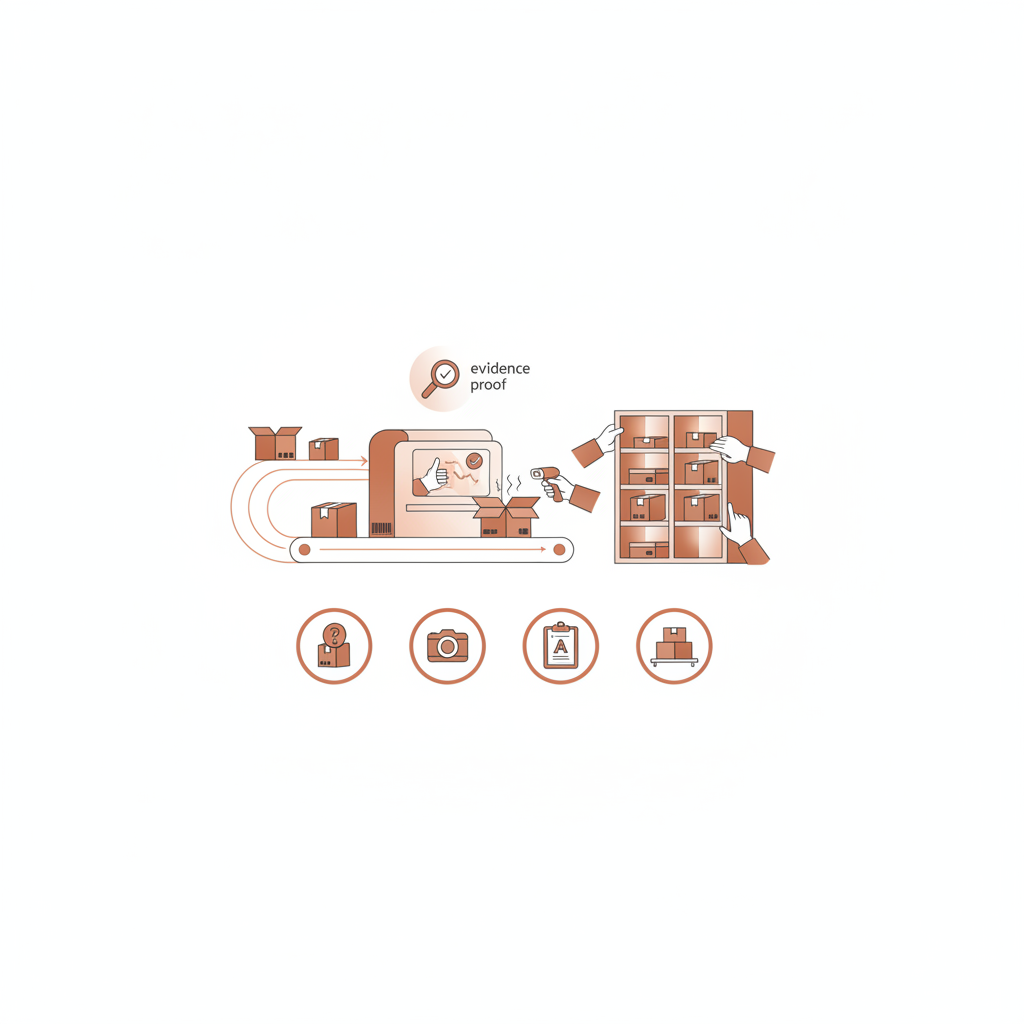
Returns evidence and dispute proof means the photographic and data record that documents a returned item's condition and handling from the moment it arrives, so a retailer, brand, or partner can settle a chargeback, a marketplace claim, or an internal audit without guessing. areturnz builds this record into every parcel it processes: outer label, opened parcel, item, and any defect, timestamped and tied to an AI grade with a confidence score. That bundle is what turns a returns operation from a black box into something you can point to and win an argument with.
This page is the hub for everything areturnz publishes on evidence and trust. Below you'll find how the evidence bundle is built, how it gets used to kill disputes, how disposition rules turn grades into decisions, and links to the deeper posts on each piece. If you're evaluating a returns partner and the word "proof" keeps coming up in your notes, start here.
What counts as returns evidence
Not every photo is evidence. Evidence has to be consistent, attributable, and time-stamped in a way that survives a dispute review or an auditor's questions. At areturnz, every unit that crosses the dock at facility NJ-01 in East Hanover, New Jersey gets four photo captures at minimum, plus a condition grade on the A/B/C/R scale with a machine confidence score attached. Across more than 180K returns processed, the AI grade matches a human operator's independent review about 99.6% of the time, which is the number that makes the evidence defensible rather than just decorative.
The four-part capture
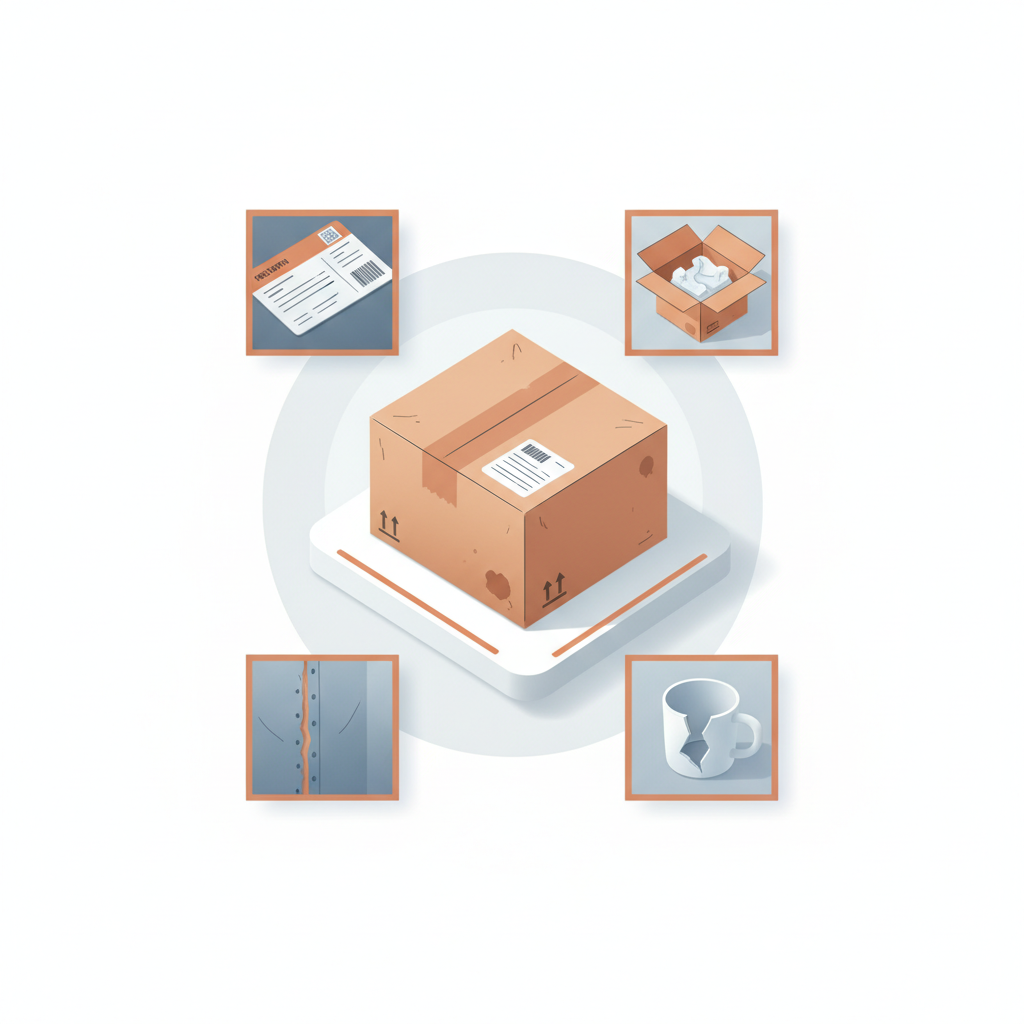
Outer label capture proves what arrived and from where. Opened-parcel capture proves what was actually inside versus what the manifest claimed. Item capture documents the unit itself, angle by angle depending on category. Defect capture, when applicable, isolates the specific damage, missing part, or wear that drove a grade down. Together these four images are what a brand's dispute team, a marketplace's claims desk, or a finance team's auditor actually wants to see, not a summary paragraph asserting condition.
Grades, confidence, and the operator override log
Every item lands on a grade of A, B, C, or R. The AI model attaches a confidence score to that grade, and when confidence is low or a tag looks off, a human operator reviews it and the override gets logged, not silently overwritten. That log is itself evidence: it shows the system checks its own work and shows exactly where a human made the final call. Our deeper explainer on how the grading model gets there is in A, B, C, R: how AI condition grading actually works, and how confidence scoring changes floor decisions is covered in Confidence scores beat gut calls on the grading line.
Why evidence closes disputes instead of prolonging them
Most "item not as described" and buyer-fraud disputes drag on because nobody has a clean, time-stamped record of what actually shipped back. A dispute team ends up trading emails and guessing. When every return already has a photo trail and a grade attached at receiving, the dispute stops being a negotiation and becomes a lookup. Our post on this exact problem, Killing the "item not as described" dispute, walks through the mechanics of using pre-attached evidence to shut these claims down in days instead of weeks. The foundational case for shipping proof on every unit, not just the disputed ones, is in Why every return should ship with proof.
The 48 hour cycle matters here too
Evidence that arrives slowly is still evidence, but it's evidence that costs you shelf life and cash. areturnz runs a median of about 48 hours from inbound scan to disposition decision. That means the evidence bundle and the grade are usually both sitting in your dashboard within two days of a return hitting the dock, which is fast enough to still matter for markdown timing and restock windows, not just for a dispute six weeks later.
From grade to decision: disposition rules
Evidence alone doesn't move inventory. Disposition rules take the grade, the confidence score, and any detected tags and route the item to restock, liquidate, donate, or destroy, with every rule application and every operator override logged alongside the evidence. That paper trail is what lets a brand trust a bulk liquidation batch or defend a destruction decision to a sustainability auditor. The full mechanics are in Disposition rules: turning grades into decisions.
| Evidence component | What it proves | Where it's used |
|---|---|---|
| Outer label photo | Origin, carrier, and inbound timestamp | Chargeback and carrier claim defense |
| Opened-parcel photo | Contents match (or don't match) the manifest | Item-not-as-described and empty-box disputes |
| Item and defect photos | Actual condition at receiving | Grade justification, resale trust, warranty claims |
| AI grade (A/B/C/R) + confidence score | Consistent, repeatable condition rating | Disposition routing, brand quality audits |
| Operator override log | Human correction where the model was uncertain | Audit trail, accuracy reporting (99.6% match rate) |
How to see the evidence bundle yourself
Reading about an evidence bundle is one thing. Looking at one is another. We publish a live example so you can see exactly what a retailer or partner gets on a real unit, from photo set through grade to disposition note, at /evidence-sample. The same data is also available through a signed-JSON API with webhooks, so your systems can pull the bundle automatically instead of someone downloading a PDF by hand.
Where evidence fits for partners and brands
If you're a 3PL, marketplace, or platform thinking about reselling returns handling under your own brand, the evidence layer is usually the differentiator buyers actually notice. White-label partners can hand their own customers the same photo-backed, grade-attached record without building any of the capture or grading infrastructure themselves. See how that model works in /use-cases/partners, and check /pricing for how the evidence bundle and disposition service are packaged.
Frequently asked questions
What is returns evidence, exactly?
It's the combined photo and data record captured on a returned item at receiving: outer label, opened parcel, item, and defect photos, plus an AI condition grade (A/B/C/R), a confidence score, and any operator override. Together they document what arrived and what happened to it, and areturnz attaches this bundle to every return it processes.
How fast is the evidence available after a return arrives?
areturnz runs a median cycle of about 48 hours from inbound scan to disposition decision, and the photo bundle plus grade are typically visible in the dashboard well before that decision is finalized, not after.
How accurate is the AI grading behind the evidence?
Across more than 180K returns processed, the AI grade matches an independent operator review about 99.6% of the time. Cases below the confidence threshold get routed to a human, and that override is logged as part of the evidence, not hidden.
Can this evidence actually be used in a chargeback or marketplace dispute?
Yes. The bundle is built specifically to be presentable to a dispute desk or auditor: time-stamped photos, a consistent grade, and a logged decision trail. See Killing the "item not as described" dispute for the specific workflow.
Is the evidence bundle only for disputes, or does it help with resale too?
Both. The same grade and photo set that settles a dispute also gives downstream buyers of open-box or liquidated inventory confidence in condition claims, which supports faster resale and fewer post-sale complaints.
Want to see how returns evidence and dispute proof would work against your own return volume? Contact areturnz and we'll walk through a sample bundle from your category.
Related reading: Building the Dispute-Ready Evidence Dossier
Related reading: Destruction Certificates and Duty Drawback: Closing the Compliance Loop
Prova em cada devolução
Fotos, uma avaliação de condição por IA e uma cadeia de custódia completa, anexadas a cada encomenda e disponíveis via API.


