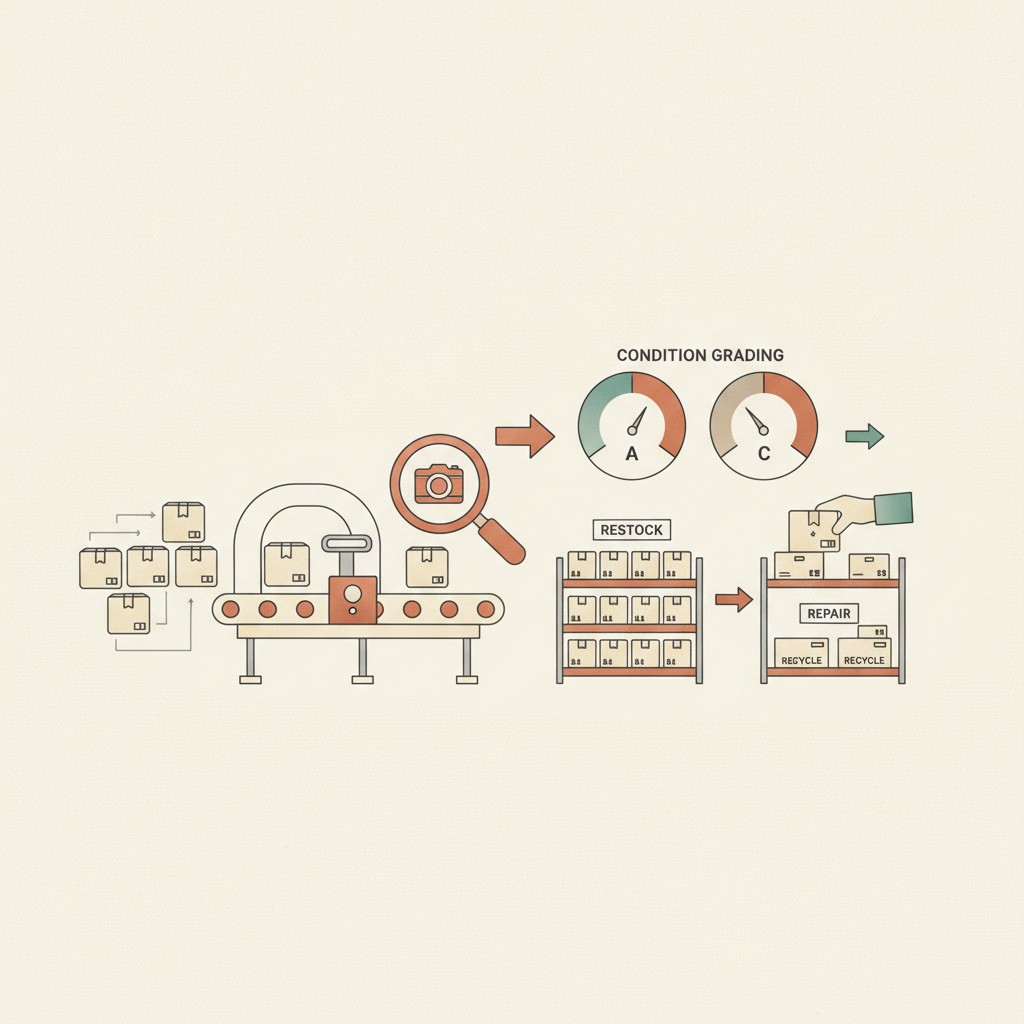
What Is an RMA? Return Merchandise Authorization Explained
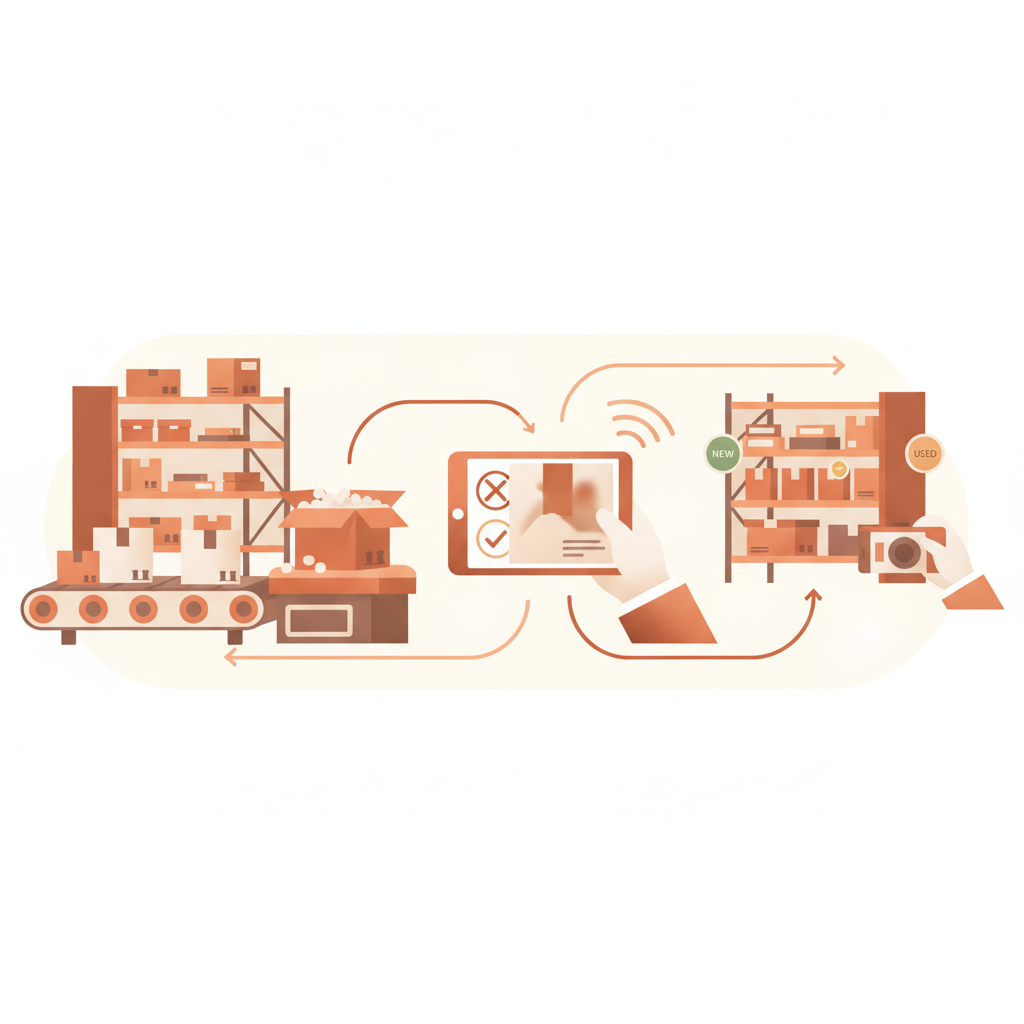
An RMA, short for return merchandise authorization, is the approval a retailer or brand issues before a customer ships an item back. It usually comes with a unique number that gets attached to the package, the shipping label, and the refund or exchange record, so the warehouse knows the item is expected and why it is coming back. areturnz processes the physical side of that promise: every RMA'd parcel gets scanned, photographed, and graded the moment it arrives at a facility like NJ-01 in East Hanover, New Jersey.
The RMA itself is just a gatekeeping step. It confirms the return is legitimate, tells the warehouse what to expect, and sets the reason code that later feeds into margin reporting. What happens after the box arrives, grading, disposition, and proof, is a separate and arguably more important job, and it is the part most returns-portal tools stop short of doing well.
How an RMA actually works, step by step
Most RMA workflows follow the same five stages, whether they run through a DTC brand's own portal, a marketplace, or a 3PL's returns module.
1. Customer requests a return
The shopper logs a reason: wrong size, item not as described, changed mind, damaged in transit. This reason code matters more than most teams treat it, since it is the first signal of whether the return is a sizing problem, a listing problem, or a fraud risk.
2. The retailer issues the RMA number
An RMA number is generated and tied to the order. Some systems auto-approve based on policy rules (return window, category, order value). Others route higher-value or suspicious requests to a human for review.
3. A label ships and the item moves
The customer gets a prepaid or customer-paid label. The RMA number usually prints on the label or the packing slip inside the box, which is how receiving staff match the physical parcel to the digital record.
4. The item is received and inspected
This is where the RMA number stops mattering and condition starts mattering. A returned blender with a valid RMA but a cracked base is not worth the same as one that works. This is also the step most retailers underinvest in, because it requires consistent, fast, trustworthy inspection at volume.
5. Disposition and resolution
Based on condition, the item gets restocked, discounted and resold as open-box, liquidated, donated, or destroyed. The refund or exchange closes out on the retailer's side, often before disposition is even finished, which is exactly why evidence at receiving matters so much.
RMA vs related returns terms
RMA gets used loosely, sometimes to mean the number, sometimes the whole process, sometimes the department. Here is how it compares to adjacent terms.
| Term | What it actually refers to | Where it lives in the process |
|---|---|---|
| RMA (return merchandise authorization) | The approval and tracking number issued before a return ships | Front end: request and approval |
| Reverse logistics | The full system of moving goods backward through the supply chain | End to end: shipping, receiving, routing, resale |
| Returns processing | The physical handling of a returned item once it arrives | Middle: receiving, inspection, grading |
| Disposition | The decision on what happens to the item after grading | Back end: restock, liquidate, donate, destroy |
| Restocking fee | A charge deducted from the refund, often unrelated to item condition | Financial, set at policy level |
For a deeper look at how reason codes and restocking fees tie into margin, see what is a restocking fee and reverse logistics companies and how they differ.
Why the RMA number is not the whole story
A retailer can run a flawless RMA workflow on the front end, instant approvals, clean labels, friendly emails, and still bleed margin on the back end if nobody can prove what condition the item actually arrived in. This is the gap between issuing an authorization and recovering value.
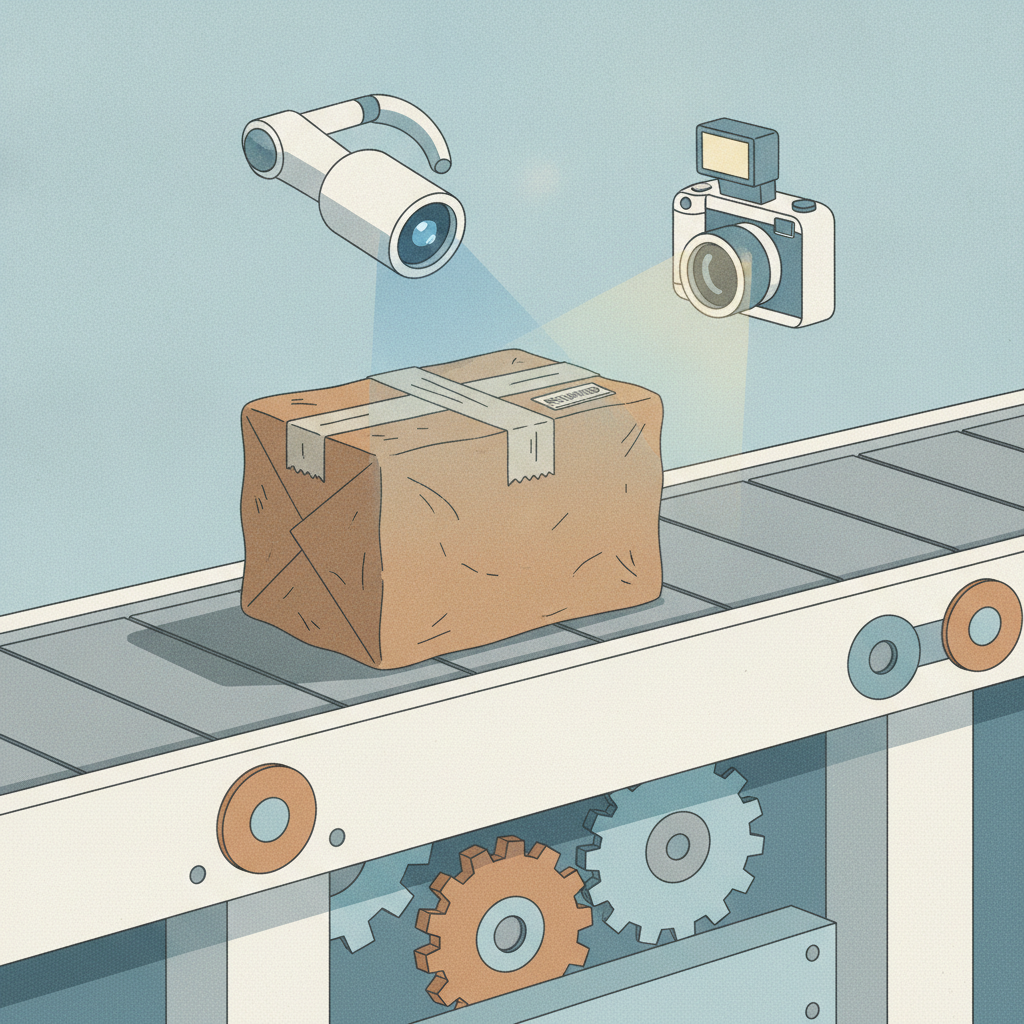
areturnz treats the RMA as the trigger, not the finish line. Once a parcel with a valid RMA lands at a facility, it gets photographed at four points: the outer label, the opened parcel, the item itself, and any visible defect. An AI model grades the item on an A/B/C/R scale (A being like-new, R being unsellable for parts or scrap) and attaches a confidence score along with detected tags. Across the network, AI grading matches operator judgment about 99.6% of the time, and the median cycle from inbound scan to final disposition runs about 48 hours. The network has processed more than 180,000 returns this way, each one with a full evidence bundle available in a dashboard or via signed-JSON API with webhooks.
That evidence bundle is what turns an RMA dispute, a chargeback claim, or an item-not-as-described complaint from a he-said-she-said argument into a two-minute lookup. You can see a sample of what that record looks like at the evidence sample page.
What a well-run RMA process should deliver
A good RMA system is not just about issuing numbers quickly. It should connect to three outcomes that actually affect the P&L: faster restock, fewer disputed refunds, and cleaner reason-code data for the next purchasing cycle. For the full breakdown of how returns economics works end to end, including restock velocity and liquidation recovery, see the returns economics guide.
Signs the process is working
- RMA approval and label generation happen in minutes, not days.
- Receiving confirms the item within 48 hours of arrival, with a grade and confidence score attached.
- Disposition rules route graded items automatically, with overrides logged rather than silent.
- Every dispute gets answered with a photo-backed record instead of a phone call.
Frequently asked questions
Does an RMA number guarantee a refund?
No. The RMA number authorizes the return and tells the warehouse to expect the item. The refund or exchange is typically a separate decision, often made based on the item's condition once it is received and graded.
Who issues the RMA, the retailer or the carrier?
The retailer or brand issues the RMA. The carrier only handles the physical shipment. Some marketplaces and platforms issue RMAs on behalf of third-party sellers, which is where returns can get messy without a shared evidence standard.
Is an RMA the same as a return label?
Not quite. The RMA is the authorization and tracking number. The return label is the physical shipping document, which often has the RMA number printed on it so receiving staff can match the parcel to the record.
What happens if an item arrives without a valid RMA?
Policies vary, but most receiving workflows flag it for manual review rather than rejecting it outright, since legitimate returns sometimes arrive without a label attached inside the box. A photo-based receiving process, like the one areturnz runs, catches these mismatches at the point of scan instead of weeks later.
Can RMA data help reduce future returns?
Yes. Reason codes captured at RMA request time, combined with condition grades captured at receiving, show patterns: a sizing issue on one SKU, a packaging defect on another. That combination is far more useful than reason codes alone.
If you want to see how areturnz turns RMA'd parcels into graded, evidence-backed dispositions in about 48 hours, get in touch with the team.
Related reading: Returns management glossary: every returns term defined in one place
Prova em cada devolução
Fotos, uma avaliação de condição por IA e uma cadeia de custódia completa, anexadas a cada encomenda e disponíveis via API.