Shipped: transactional email delivery via SES

Transactional email for returns platform notifications is a direct, address-based delivery channel that areturnz now runs through Amazon SES, sending status and disposition updates straight to a person's inbox instead of relying only on a webhook endpoint someone has to build and monitor. It is the backup channel for the real-time ops notifications already live on the receiving line, and it closes a gap for smaller brand teams and node operators who do not have an engineer on call to watch webhook logs.
What shipped
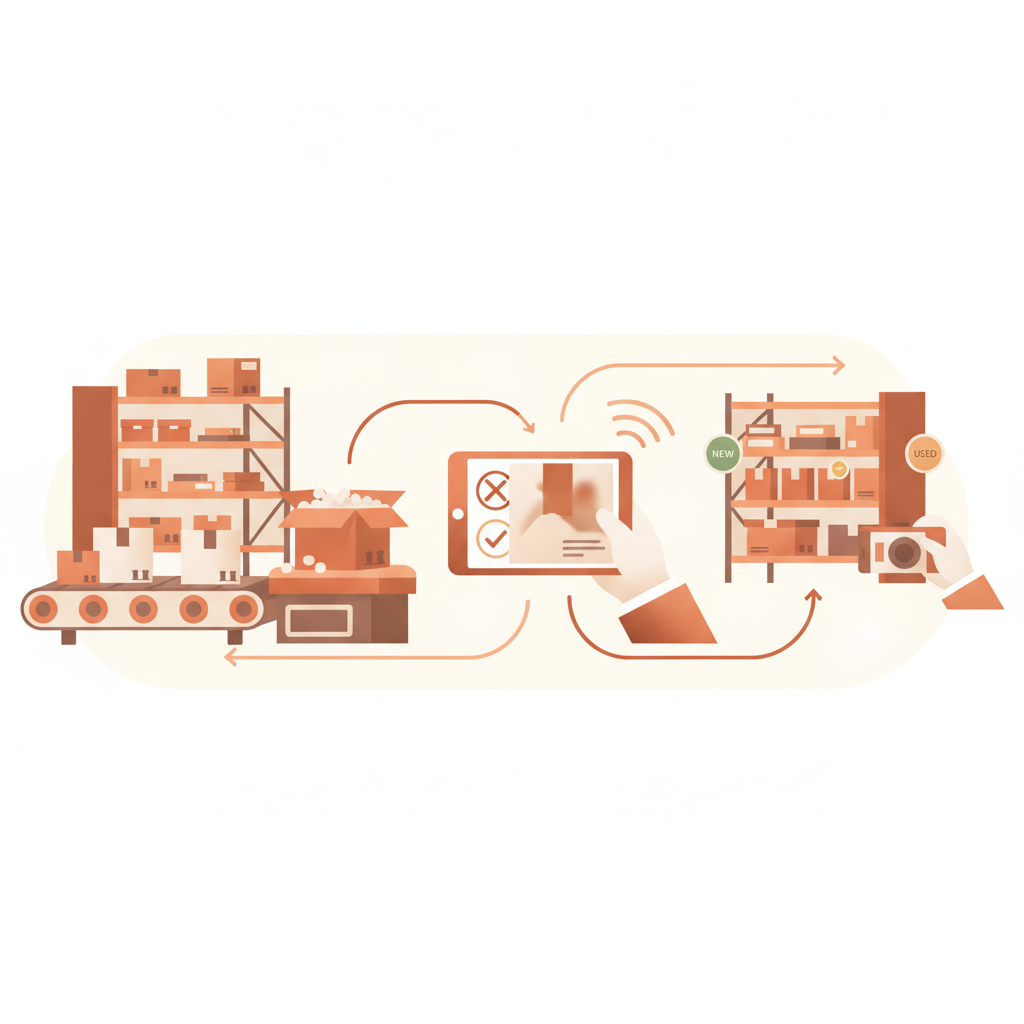
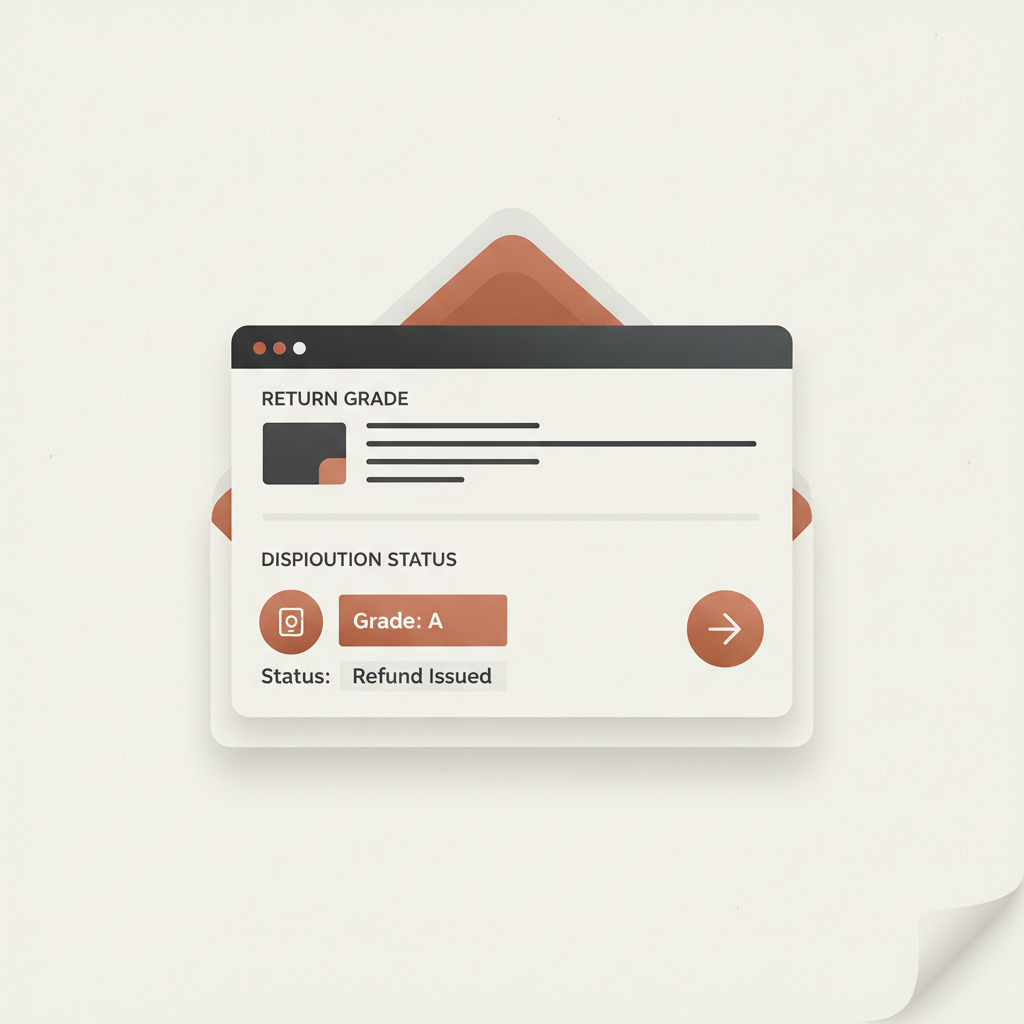
Every tenant on the network can now turn on email notifications tied to the same events that already fire webhooks: inbound scan received, grade assigned, disposition decided, and exception flagged for manual review. The emails are sent through Amazon SES, which gives predictable deliverability and bounce handling instead of routing through a general-purpose mail server. Each message links back to the dashboard record and, where relevant, to the evidence bundle for that parcel.
This was a deliberate, narrow release. It does not replace the webhook system that partners use for programmatic integrations. It sits next to it, covering the operator who wants a plain confirmation that a return was graded B with 97% confidence and routed to restock, without opening the dashboard or querying the API.
Why email still matters next to webhooks
Webhooks are the right tool when a partner's systems need to act on an event automatically: updating inventory, releasing a refund, triggering a replacement order. But webhooks fail silently more often than people expect. An endpoint gets redeployed, a certificate expires, a firewall rule changes, and suddenly a tenant has missed three days of disposition events without knowing it. Email does not have that failure mode in the same way. It lands in an inbox, it gets flagged unread, and someone eventually notices.
areturnz processes returns on roughly a 48 hour median cycle from inbound scan to disposition, and across more than 180,000 returns the AI grading engine has matched operator judgment about 99.6% of the time. Partners rely on timely notice of that outcome, whether it is an A grade headed to restock or an R grade routed to liquidation. Email is a low-friction way to make sure that notice actually reaches someone, even on teams without a dedicated integrations engineer.
How this fits the evidence and disposition pipeline
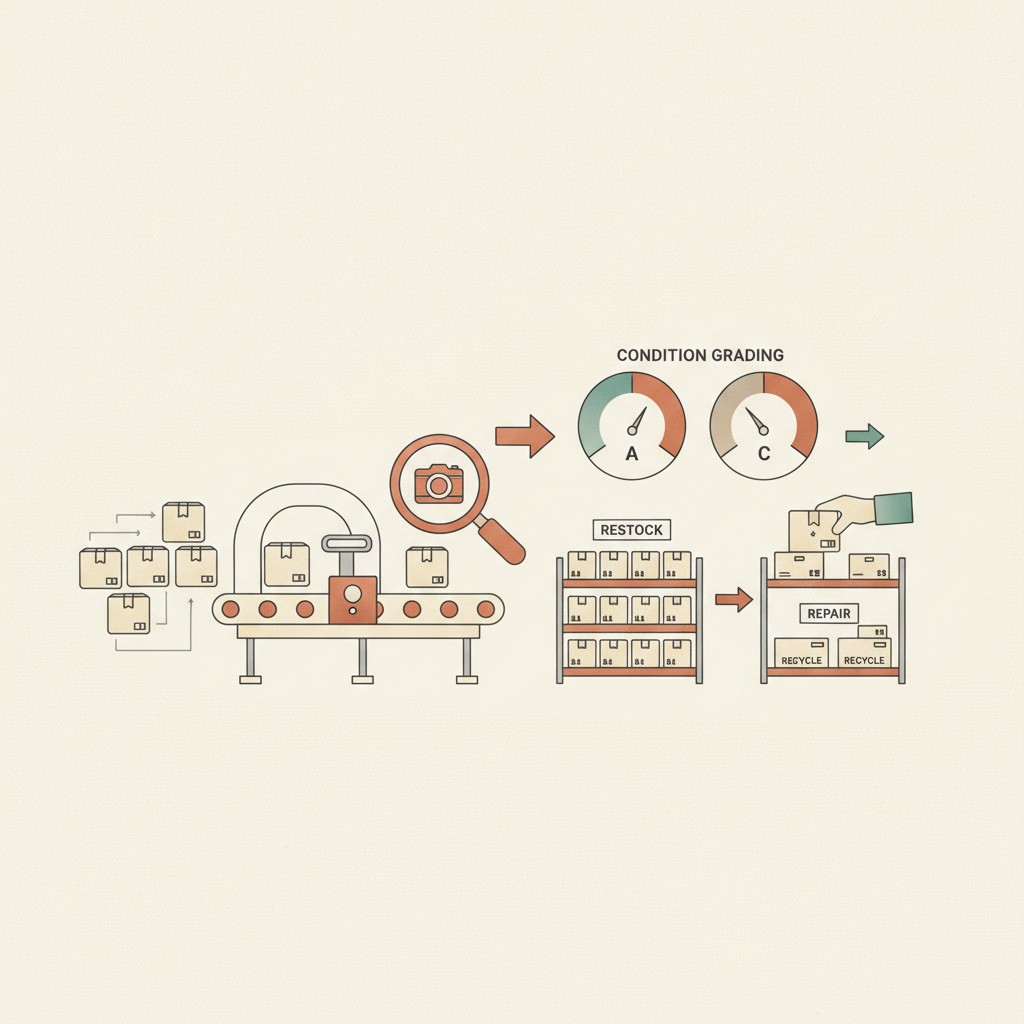
Nothing about grading or disposition changed with this release. Every parcel is still photographed at receiving (outer label, opened parcel, item, defect), graded A, B, C, or R by the AI with a confidence score, and routed by disposition rules that operators can override, with every override logged. What changed is the surface area for finding out that happened. The table below shows how the three notification surfaces now compare.
| Channel | Typical latency | Best for | Failure visibility |
|---|---|---|---|
| Webhook (signed JSON) | Seconds | Automated inventory, refund, and replacement workflows | Low, requires active monitoring |
| Dashboard | Real time on load | Ad hoc lookups and audits | N/A, pull-based |
| Transactional email (SES) | Seconds to a few minutes | Human confirmation and exception alerts | High, lands in an inbox |
For a deeper look at how the underlying event stream works, see the real-time ops notifications on the receiving line post, and for the full event catalog partners can subscribe to, the webhook event types reference covers each status in detail.
What this means for partners and brands
Node operators onboarding a new brand tenant can now offer that brand a notification option that does not require any engineering work on the brand's side. A warehouse manager who just wants to know when a batch of returns clears disposition can get that in their inbox instead of asking an operations team to check the dashboard every morning. Partners running white-label programs can decide, per tenant, whether email is on, off, or limited to exception events only.
This is one more addition to a steady run of shipped changes across receiving, grading, and reporting. You can see the full history on the product updates hub, and if you want to see what an evidence bundle actually looks like before deciding how you want to be notified about it, the evidence sample page walks through a real one.
Frequently asked questions
Does transactional email replace webhooks?
No. Webhooks remain the primary channel for automated integrations. Email is an additional, parallel channel aimed at human recipients who want direct confirmation without building a listener.
Which events trigger an email?
Inbound scan received, grade assigned, disposition decided, and manual exception flagged. Tenants can enable or disable each event type independently.
Can a partner turn email on for some brand tenants and not others?
Yes. Notification settings are configured per tenant, consistent with the multi-tenant isolation the platform already maintains for webhooks and reporting.
Does this affect the 48 hour median cycle or grading accuracy?
No. This release only changes how status is communicated. The underlying receiving, AI grading, and disposition process is unchanged, including the roughly 48 hour median cycle and the 99.6% AI-versus-operator match rate.
If you want to see transactional email notifications set up for your team or your tenants, contact areturnz and we will walk through configuration options.
Related reading: Shipped: admin dashboard for node operators
Une preuve sur chaque retour
Des photos, un grade d'état par IA et une chaîne de traçabilité complète, rattachés à chaque colis et accessibles via l'API.