Reverse Logistics Companies: The Provider Types and How They Differ
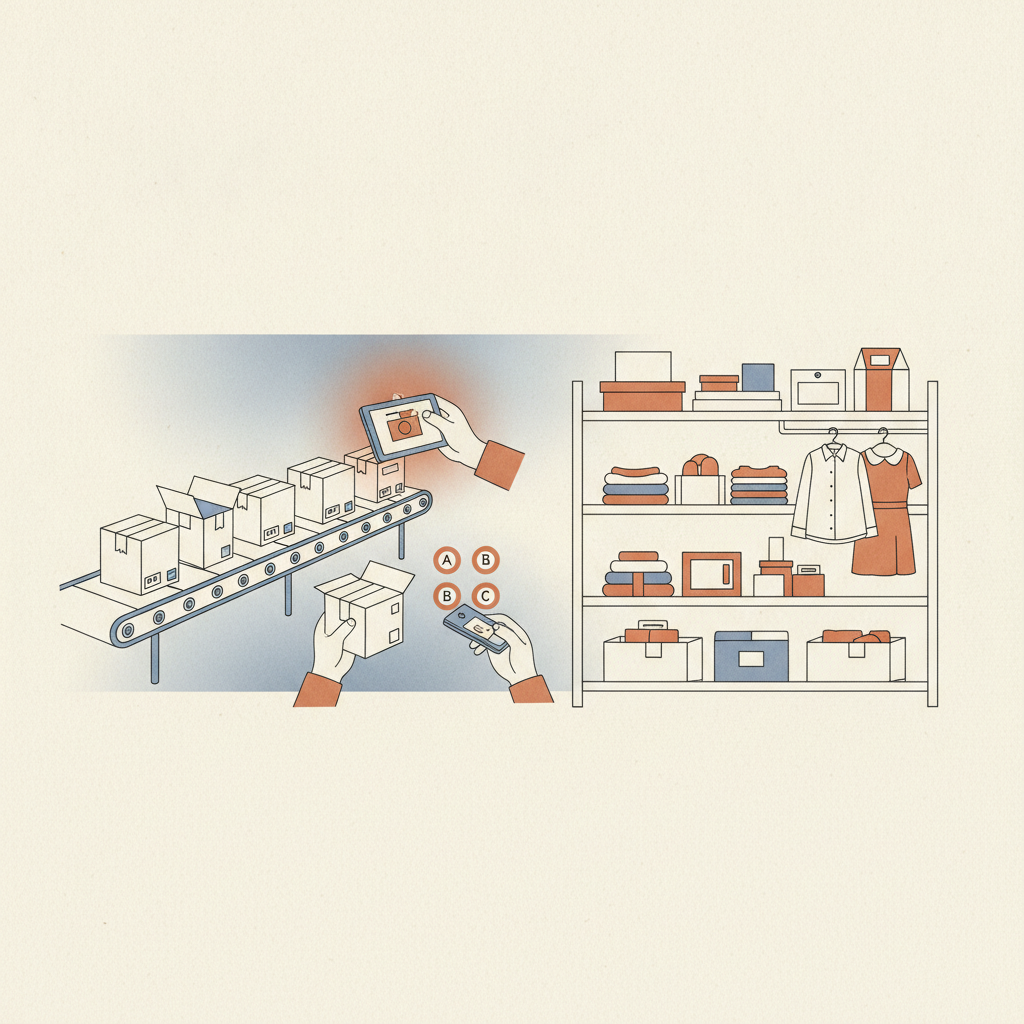
Reverse logistics companies are businesses that manage the flow of goods moving backward through the supply chain, from a customer or store back to a seller, warehouse, or disposition point. The category includes very different kinds of providers: label and portal software, parcel carriers with return add-ons, general 3PLs with a returns module bolted on, liquidators that buy bulk lots, and dedicated returns processing networks like areturnz that physically receive, grade, and disposition every parcel with photo evidence. Knowing which type you are actually evaluating matters more than the label on the homepage, because the phrase reverse logistics gets used for all five.
That ambiguity causes real procurement mistakes. A brand that needs grading and liquidation help often signs with a company that only generates return labels, then wonders why nothing improves on the warehouse floor. This article breaks down the provider types, what each one is actually built to do, and where a facility-based network fits in the mix. For the broader economics behind these decisions, our returns economics guide covers carrying cost, markdown decay, and liquidation recovery in more depth.
The main types of reverse logistics companies
Returns portal and label software
These are the most visible providers because customers interact with them directly: a branded web page where a shopper starts a return, prints a label, and maybe picks a reason code. The software handles the customer-facing front door. It does not touch the physical item. Once the box ships, the portal provider's job is largely done, and whatever happens to the item next (grading, restocking, liquidation) is someone else's problem, often the retailer's own warehouse team working off a spreadsheet.
Parcel carriers with reverse logistics add-ons
Large carriers increasingly offer return-label generation and basic tracking as an add-on to their core shipping business. This is convenient if you already ship with them, but the add-on is still oriented around movement, not condition. Carriers are not typically grading items, photographing defects, or making restock-versus-liquidate calls. They get the box from point A to point B.
Generic 3PLs with a returns bolt-on
Many third-party logistics providers added a returns workflow to their existing forward-fulfillment operation. The team that picks and packs outbound orders also receives inbound returns, usually with less specialized tooling and a thinner audit trail. For a deeper look at this tradeoff, see our comparison of a 3PL returns add-on versus a dedicated returns network.
Liquidators and resale channel partners
Liquidators specialize in the back half of the journey: buying graded or ungraded lots in bulk and moving them through secondary channels. They are valuable once a disposition decision has already been made, but most liquidators do not do the upstream work of inspecting, photographing, or grading each unit. Recovery rates depend heavily on how well that inspection was done before the lot reached them, a topic covered in our piece on liquidation recovery rates.
Dedicated returns processing networks
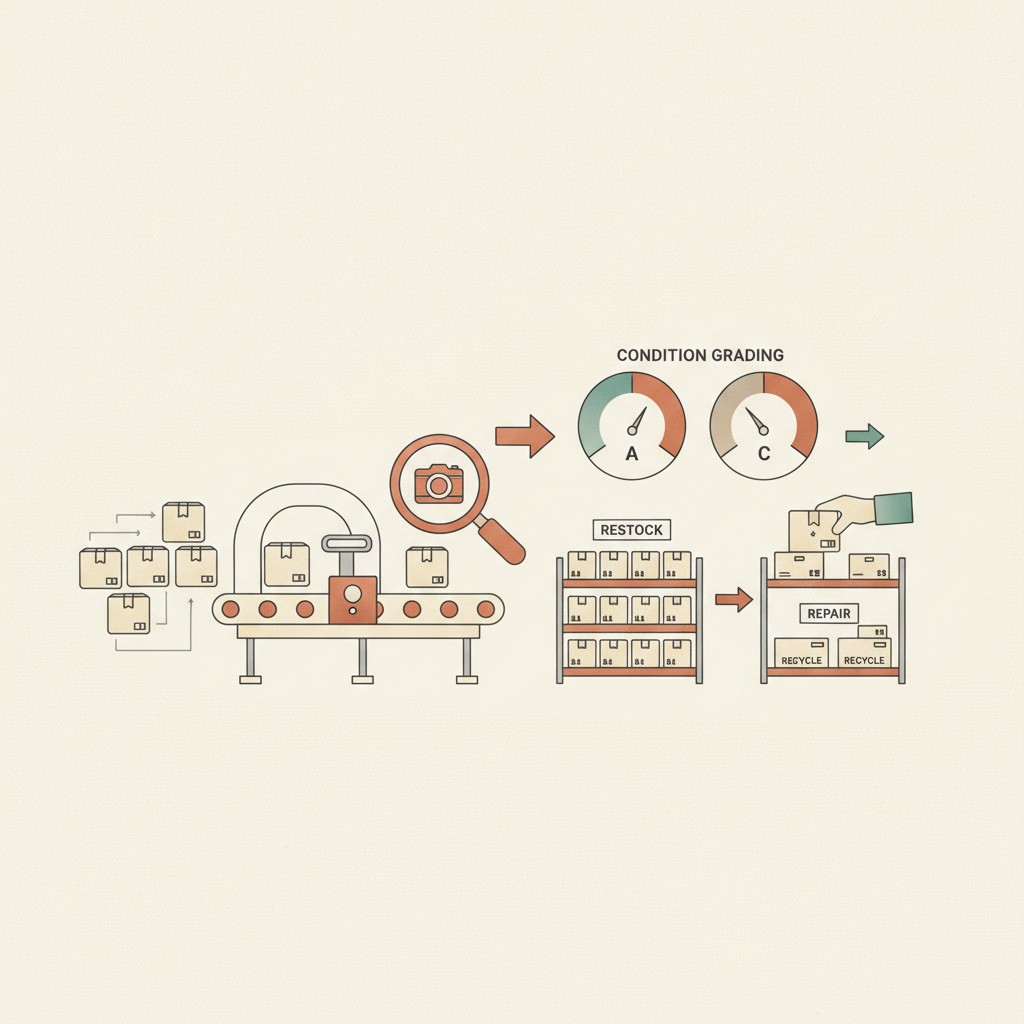
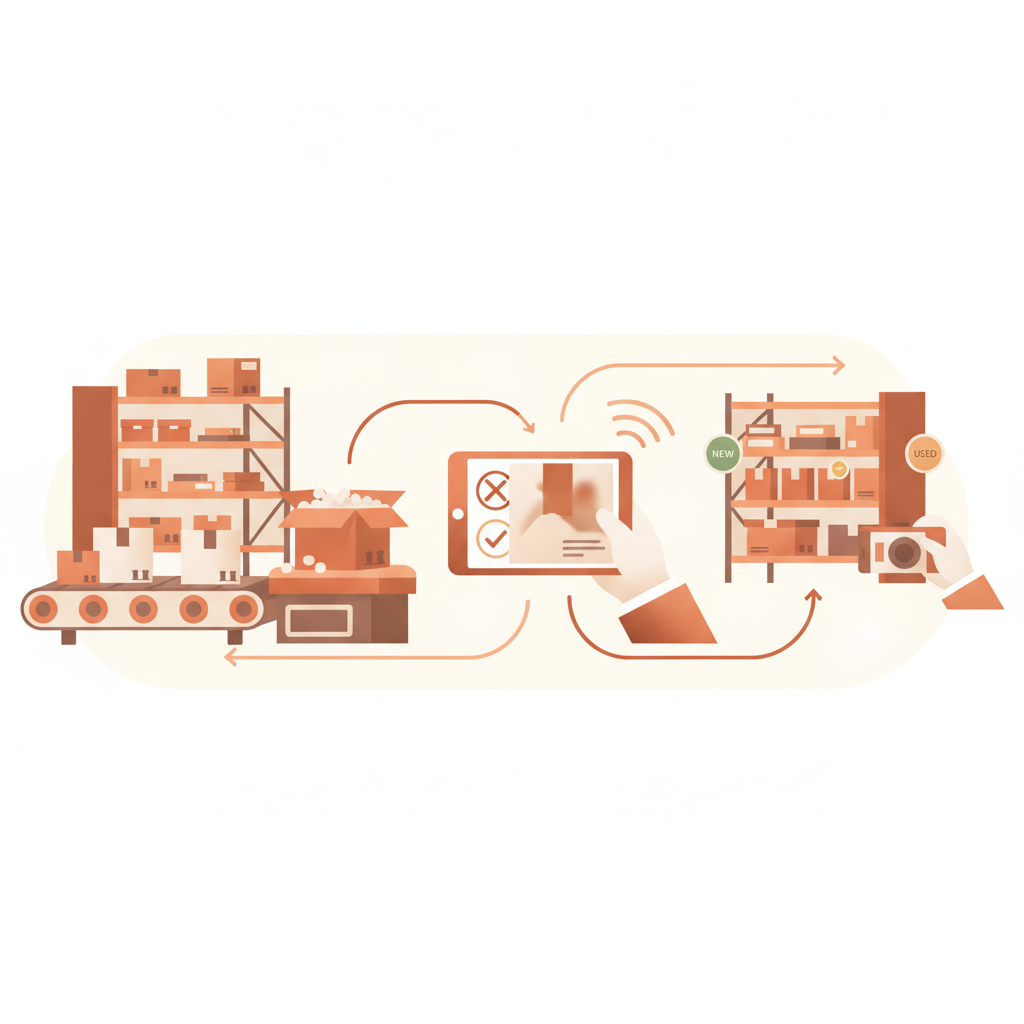
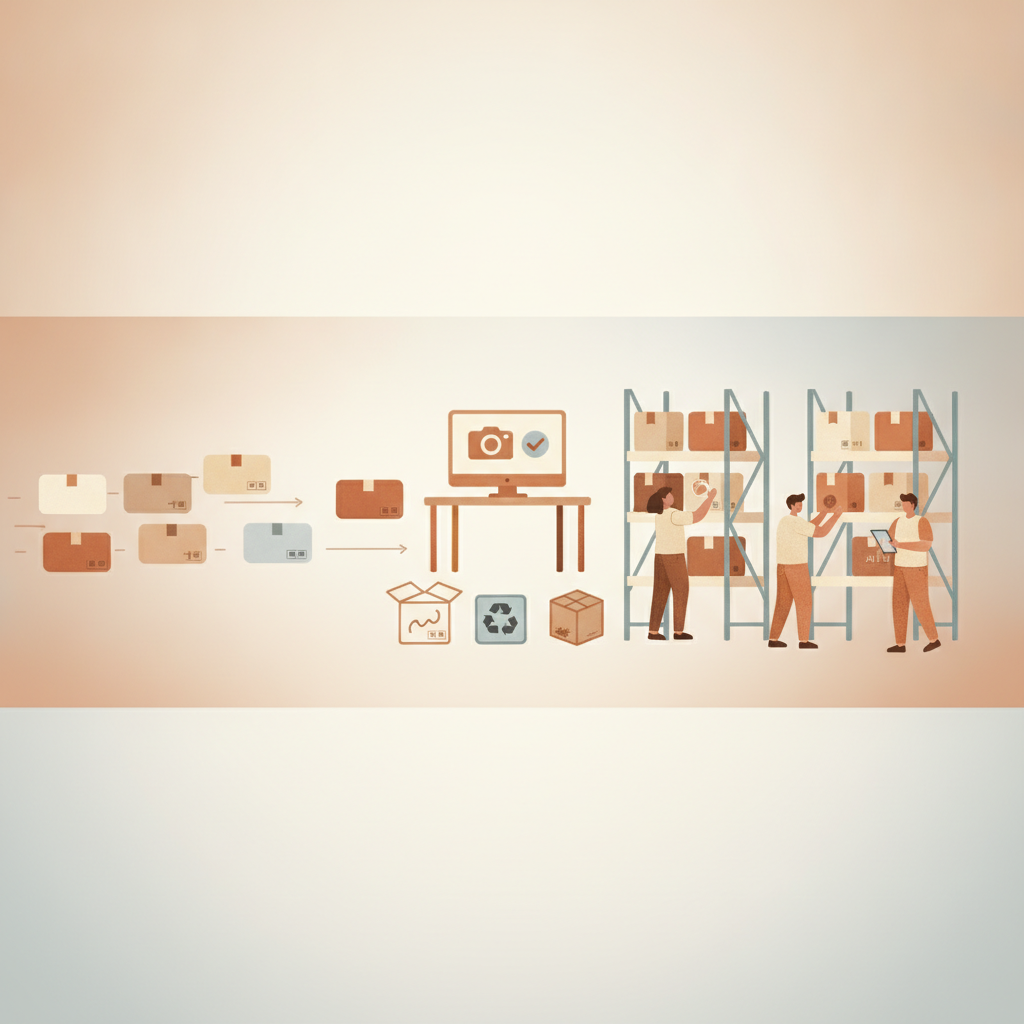
This is where areturnz sits. A dedicated network physically receives every returned parcel, photographs it at multiple stages (outer label, opened parcel, item, defect), runs AI condition grading on an A, B, C, R scale with a confidence score, and routes the unit to restock, liquidate, donate, or destroy based on disposition rules. Operator overrides get logged, and every return ships with an evidence bundle available in a dashboard and via a signed-JSON API with webhooks. areturnz runs on a median cycle of about 48 hours from inbound scan to disposition, with AI-versus-operator match accuracy around 99.6% across more than 180,000 returns processed, out of facility NJ-01 in East Hanover, New Jersey.
In-house or captive returns teams
Some retailers keep returns entirely internal, staffing their own warehouse with graders and a liquidation desk. This can work at scale, but it carries fixed headcount cost year-round for a volume that spikes hard in Q4 and January. We cover the real tradeoffs in our guide to in-house versus outsourced returns processing.
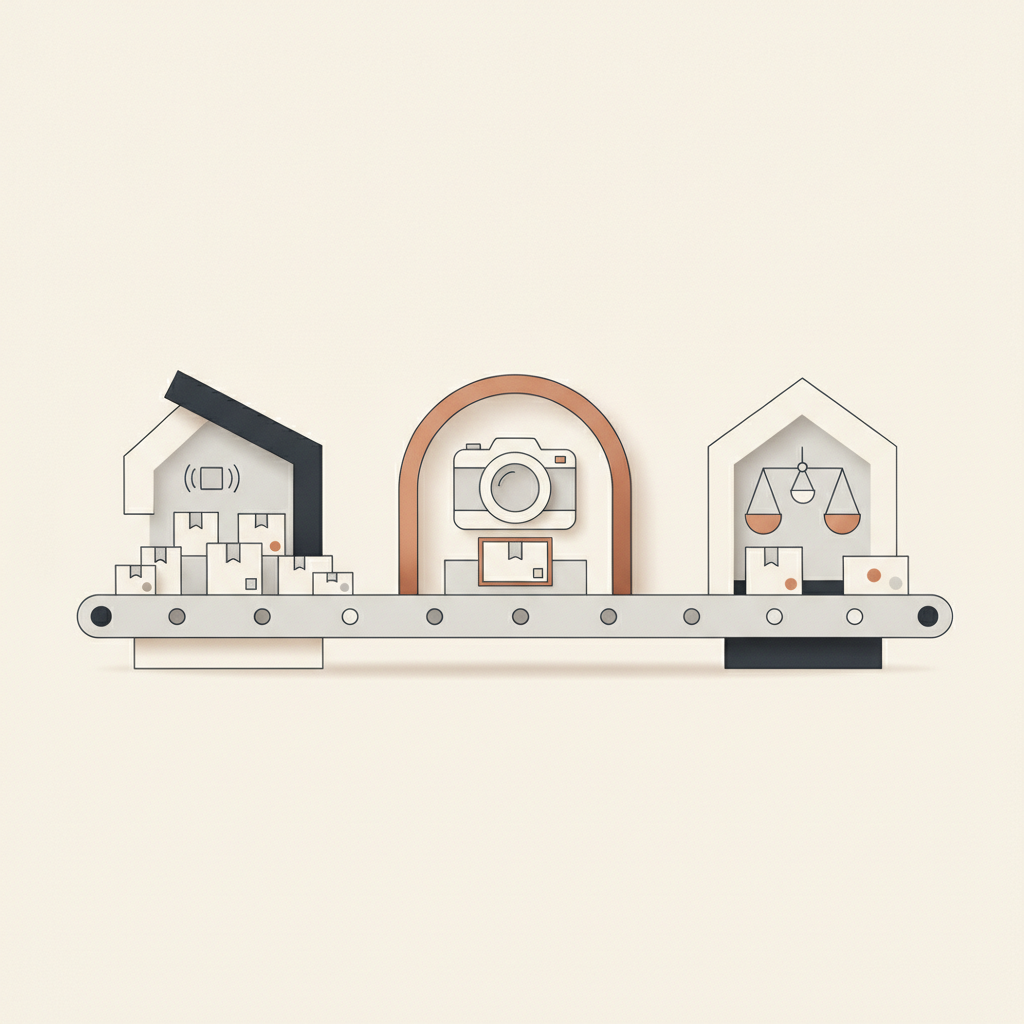
How the provider types compare
| Provider type | Touches the physical item | Condition grading | Evidence per unit | Typical speed | Best fit |
|---|---|---|---|---|---|
| Portal / label software | No | No | None | Instant label, unknown processing time after | Customer-facing return initiation only |
| Carrier add-on | Transport only | No | Tracking scans only | Standard transit times | Shippers who just need labels and movement |
| Generic 3PL bolt-on | Yes | Manual, inconsistent | Limited or none | Varies, often days to weeks | Low-volume returns riding alongside forward fulfillment |
| Liquidator | Sometimes, downstream | Depends on upstream input | Lot-level, not unit-level | Batch cycles | Disposition once grading is already done |
| Dedicated returns network (areturnz) | Yes, every parcel | AI graded A/B/C/R with confidence score | Photo evidence bundle per return | About 48 hour median cycle | Margin recovery, dispute defense, resale trust |
| In-house captive team | Yes | Manual, staff-dependent | Varies by internal process | Depends on headcount and season | Retailers with steady volume and capital for fixed staffing |
Where an owned-and-operated network fits
areturnz is not a returns-portal company, not a marketplace, and not a forward-logistics 3PL with returns tacked on. It is a network that owns the receiving, grading, and disposition steps end to end. Every parcel gets photographed, graded, and routed with a documented reason, which is the piece most portal and carrier offerings skip entirely. That matters for two things most brands actually care about: how fast an item gets back into sellable inventory, and whether you can prove what happened to it if a dispute comes up later. Our evidence bundle sample walks through what that documentation actually looks like.
The economics of this distinction are not abstract. A returns program that only moves boxes still leaves the condition, restock, and dispute questions unanswered, which is why the full returns economics guide treats grading speed and recovery rate as the real levers, not just label cost.
What to ask before you sign with any provider
Before choosing among reverse logistics companies, it helps to ask a short list of direct questions. Does the provider physically inspect every unit, or only a sample? Is grading done by a documented system with a confidence score, or by whichever associate is on shift? Is there a photo record tied to each return, or just a tracking number? What is the median time from the item arriving to a disposition decision being made? And can the provider operate white-label if you plan to resell the service to your own retail or brand customers, a model covered in our partner use cases page alongside the pricing overview.
Frequently asked questions
Is a 3PL the same thing as a reverse logistics company?
Not exactly. A 3PL usually handles forward fulfillment and may add returns as a secondary service. A dedicated reverse logistics company builds its core operation around receiving, grading, and dispositioning returned goods, which tends to produce faster cycle times and better documentation.
What does AI condition grading actually mean?
It means software analyzes photos and data from each returned item and assigns a grade, typically on a scale like A, B, C, or R, along with a confidence score. areturnz's grading runs at about 99.6% match accuracy against operator review, which keeps manual rework low while still catching edge cases.
Do liquidators grade items themselves?
Most liquidators work off whatever condition data they receive from the seller or processor. If that upstream grading is inconsistent, recovery value drops. A processor that grades every unit before it reaches a liquidation channel generally produces better recovery rates.
How fast should returns processing be?
Speed matters because markdown value erodes the longer an item sits ungraded. areturnz runs a median cycle of about 48 hours from inbound scan to disposition, which keeps resale-ready inventory moving instead of aging in a backlog.
Can a reverse logistics network be white-labeled by a partner?
Yes. Many 3PLs, platforms, and marketplaces resell returns processing under their own brand rather than building it themselves. That model is covered in our partner use cases page.
Ready to see how an owned-and-operated returns network compares to the provider you are using today? Contact areturnz to talk through your volume and get a facility walkthrough.
Related reading: What Is a Restocking Fee? How It Works and Why Retailers Charge It
Related reading: What Is an RMA? Return Merchandise Authorization Explained
Prova em cada devolução
Fotos, uma avaliação de condição por IA e uma cadeia de custódia completa, anexadas a cada encomenda e disponíveis via API.